The Importance of Preseason Preparation for Team Sports
7 December 2025
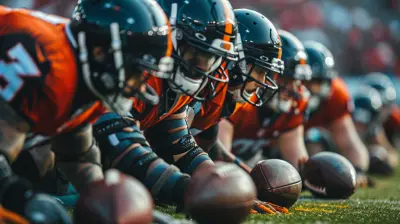
Ever heard the phrase "fail to prepare, prepare to fail"? It holds especially true when it comes to team sports. Whether you’re kicking off a soccer season, gearing up for basketball tryouts, or lacing up your cleats for football, preseason preparation isn’t just a good idea — it’s absolutely essential.
Let’s be real for a second. No matter how talented a team is, success doesn’t magically appear on game day. It’s built from the ground up, during the sweat-filled grind of preseason. This is the time when champions are carved, chemistry is forged, and winning habits are born.
In this article, we’ll dive deep into why preseason matters so much, how it impacts performance, and what teams gain (and lose) by how seriously they take it. So grab your Gatorade, get comfy, and let’s break it down.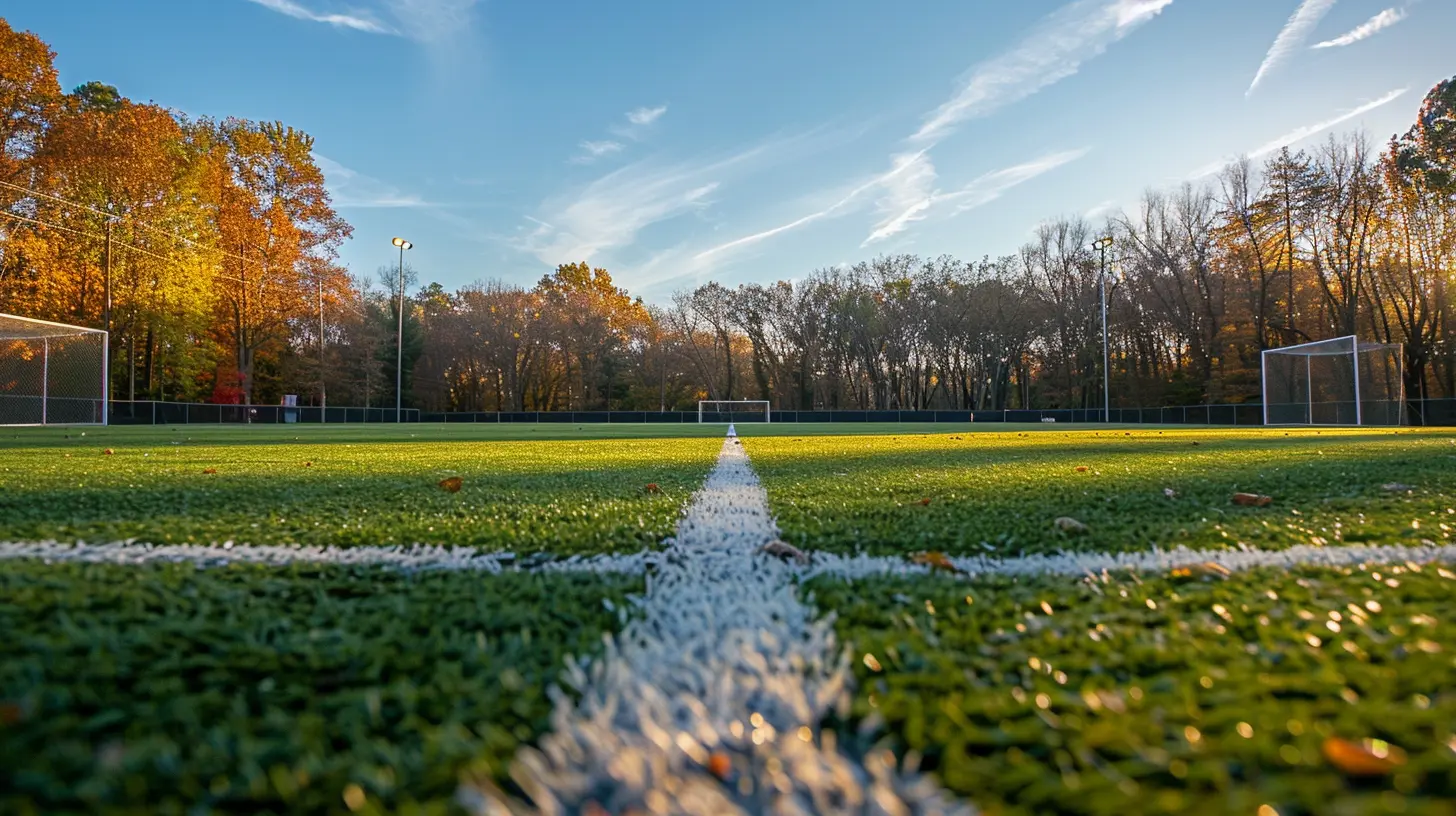
What Is Preseason Preparation, Anyway?
Preseason preparation is like the dress rehearsal before the big show. It’s the stretch of weeks before the season starts where teams focus on:- Physical conditioning
- Skill development
- Strategy and game plans
- Team bonding and communication
Think of it as rebooting the system. It’s a chance to shake off the rust, sync up with teammates, and get mentally and physically ready for the storm that’s coming — the actual season.
Why Preseason Is the Foundation of Success
1. Builds Physical Fitness and Endurance
Let’s face it — no one shows up in top form after an off-season filled with Netflix marathons and cheat days. Preseason training cranks up the intensity. It’s designed to push athletes to rebuild stamina, agility, and strength.You can’t outplay your opponent if you're gassed by halftime, right?
This is where conditioning drills, weight sessions, and cardio work come into play. It’s not just about being fit — it’s about being game-fit. There’s a world of difference.
2. Reduces the Risk of Injuries
Here’s a scary stat — a large chunk of sports injuries happen at the very beginning of a season. Why? Because players dive back into high-intensity games without adequate preparation.Preseason slowly eases the muscles and joints back into action while strengthening them to handle game-day stress. It’s like warming up your car engine before going full throttle.
Would you rather spend 4 weeks training or 6 weeks recovering from an injury? Exactly.
3. Sharpens Skills and Fundamentals
Even the greats need to brush up on the basics. Preseason is the time to tweak techniques, improve footwork, perfect passes, and rediscover your shooting accuracy.Remember, skills aren’t permanent; they fade if you don’t use them.
Whether it’s tackling in rugby or three-pointers in basketball, preseason drills help players lock in their muscle memory and refine the fundamentals that make a difference when the score’s tight and the clock’s ticking.
Developing Team Chemistry
Here’s the thing — team sports aren’t just about individual talent. They're about how well you work as a unit. And that kind of trust and connection? It doesn’t happen overnight.4. Improves Communication and Trust
During preseason, players learn each other’s tendencies. Who likes quick passes? Who thrives under pressure? Who needs a pep talk when things go south?These insights are golden, and they come only after countless scrimmages, team meetings, and shared sweat sessions.
You can’t fake chemistry. It’s built brick by brick, and preseason lays the first foundation stones.
5. Establishes Leadership Roles
Leadership can make or break a team. Preseason is where natural leaders rise to the occasion. Captains emerge. Voices are heard. The team identity begins to take shape.When roles are clear and respected, the group functions better — like a well-oiled machine.
Mental Readiness: The Secret Weapon
Let’s not ignore the mental side of the game — it’s as important as physical readiness, if not more.6. Builds Confidence and Focus
Confidence comes from preparation. When athletes know they’ve put in the work, they walk onto the field or court with a different energy.They don’t second-guess. They don’t hesitate. They just play.
Preseason also helps develop mental toughness — that gritty mindset that keeps players locked in when the game gets tough and the pressure’s high.
Remember, when the body wants to quit, the mind takes over. Preseason trains both.
Tactical Training and Strategy
Ever seen a team with great players but no direction? It’s like watching a band where everyone plays a different song. Chaos.7. Implements Game Plans and Tactics
Preseason gives coaches valuable time to teach systems, strategies, and formations. Whether it’s pressing high in soccer or running set plays in basketball, this is where the X’s and O’s come to life.Players learn their roles, understand rotations, and practice decision-making at full speed. It’s not enough to know what to do — you need to know when and how to do it.
Preseason is the sandbox where this learning happens, minus the pressure of a scoreboard.
The Emotional and Social Benefits
Let’s not forget — sports are supposed to be fun. Preseason is the perfect time to reconnect with that joy.8. Boosts Team Morale and Motivation
From team dinners to friendly competitions, preseason often includes off-the-field bonding experiences. These moments strengthen relationships and build camaraderie.When players enjoy being around each other, they fight harder for one another when things get tough. That’s the magic you can’t teach — but you can spark it during preseason.
How Coaches Benefit Too
Preseason isn’t just for players. Coaches get a lot out of this period as well.9. Evaluates Talent and Builds Depth
Coaches use preseason to assess player performance, fitness levels, and versatility. It’s their chance to experiment with lineups, identify super-subs, and even discover breakout stars.Flexibility is key during the season, and preseason helps build the depth needed to survive grueling schedules.
10. Sets Expectations Early
Preseason is also the best time to set the tone — expectations, discipline, work ethic, and culture. Establishing these early makes it easier to maintain them when the season intensity kicks in.Because once the games begin, there’s little time to teach — only time to react.
Mistakes Teams Make with Preseason (And How to Avoid Them)
Let’s hit pause for a second. Preseason is powerful, but only if it’s done right. Here are a few common mistakes teams make:- Skipping proper warm-ups – This leads to preventable injuries.
- Overtraining too early – Burnout is real. Balance matters.
- Focusing only on fitness, ignoring skills – You need both!
- Neglecting team-building and mental prep – Chemistry and confidence win games too.
Avoid these missteps, and you’re already ahead of the game.
Real-Life Inspiration: Preseason Pays Off
Let’s bring it home with an example. Think about the 2004 New England Patriots. Their legendary season wasn’t just about talent. Their grueling, detail-oriented preseason set the tone for dominance. Or look at Spain's national football team before their 2010 World Cup win — their preseason camps focused on tactical harmony and player unity.Patterns don’t lie. Winning teams win the preseason first.
Final Thoughts: Hustle Now or Hurt Later
Look, nobody wakes up thrilled to run sprints at dawn or practice corner plays for the hundredth time. Preseason is tough. It’s sweaty. It’s repetitive.But it’s where champions are made.
If you’re serious about success in team sports, there’s no skipping this step. Preseason preparation isn’t just important — it might be the most important part of your season.
So lace up, show up, and grind it out. The hard work you put in now? It’ll echo in every win, every comeback, and every clutch moment of your season.
Let’s get after it.
all images in this post were generated using AI tools
Category:
Team SportsAuthor:

Preston Wilkins
Discussion
rate this article
2 comments
Briar Maddox
Preseason preparation is crucial; it builds team chemistry, enhances conditioning, and sets the foundation for success. A strong start can significantly impact the entire season.
December 17, 2025 at 5:34 AM
Preston Wilkins
Absolutely! Preseason preparation is key to building chemistry, improving fitness, and establishing a strong foundation for the season ahead. A solid start can truly make a difference.
Leslie Lewis
Great article! Emphasizing preseason preparation really highlights its impact on team cohesion and performance. It's crucial for building strategy and conditioning. Keep sharing insights on optimizing team success!
December 9, 2025 at 5:54 AM
Preston Wilkins
Thank you for your thoughtful comment! I'm glad you found the article valuable. Preseason preparation truly is essential for fostering team success. I appreciate your support!