The Importance of All-Star Games in Growing League Popularity
17 February 2026
Sports leagues are continually looking for ways to boost their fan base, increase revenue, and grow their overall brand. One of the most unique and entertaining strategies that leagues have employed is the All-Star Game. Whether it's the NBA, NFL, MLB, or even smaller leagues, All-Star Games have become a staple in the sports world. But what exactly makes these star-studded events so important for growing the popularity of a league? Let’s dive into it.

What Is an All-Star Game?
Before we get into the nitty-gritty, let's first break down what an All-Star Game actually is. In the simplest terms, an All-Star Game is a special event where the best players in the league come together to compete, often mixing players from different teams into two squads. These players are usually selected by a combination of votes from fans, coaches, and players themselves.But here's where it gets fun—All-Star Games aren’t just about competition. They're about entertainment, celebration, and showcasing the very best talents that the league has to offer. It's a spectacle! Think of it as the sports version of the Oscars or a music festival. You've got the biggest names in the league, flashy plays, and often a relaxed vibe that you don't see during regular season games.
Now, why does this matter for a league’s growth? Let’s break it down.

Bringing Fans Together
All-Star Games are one of the few times during a season when fans of every team can come together. It’s like a massive family reunion, but instead of awkward small talk, you’re watching elite athletes perform jaw-dropping feats.For many fans, their loyalties are to one team—maybe the Los Angeles Lakers in the NBA or the New York Yankees in MLB. But when it’s All-Star time, fans don’t just root for their home team players. They get to enjoy watching the best from across the league, regardless of team affiliations. This helps create a sense of unity among fans that stretches beyond the boundaries of local fandoms.
The Power of Fan Voting
One of the most genius aspects of many All-Star Games is the fan voting process. Fans love to have a say! By allowing them to vote for their favorite players, leagues create a deeper connection between the audience and the sport. It’s like a mini-democracy where each fan gets to cast their vote and feel like they’re part of the event.Fan engagement is a critical metric for league growth. The more a fan feels involved, the more likely they are to watch games, buy merchandise, or even attend live events. All-Star Games feed into this engagement loop. The excitement builds as players are voted in, and fans watch to see if their picks make it to the roster.
A Showcase of Talent
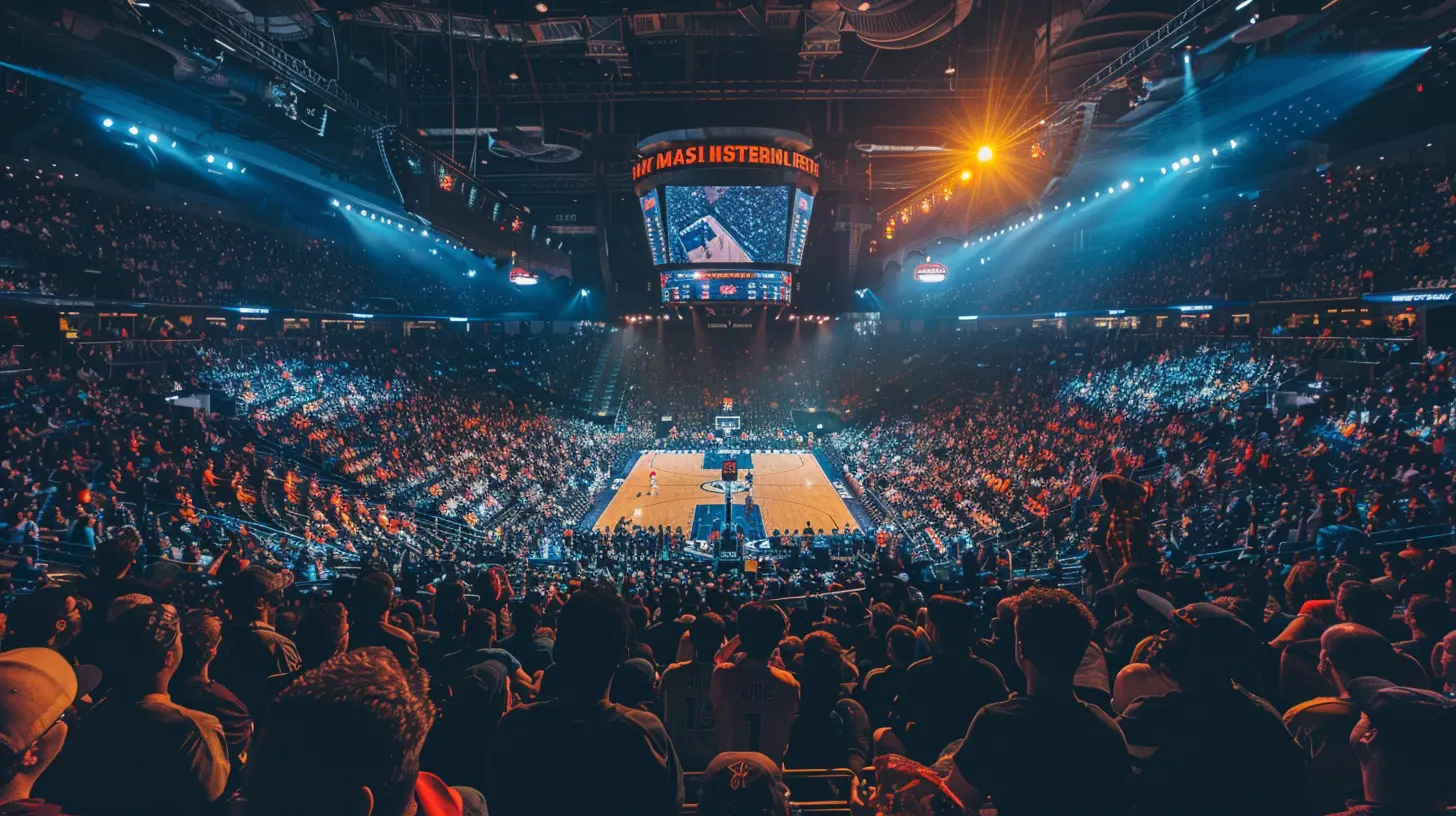
One of the key reasons why All-Star Games are so popular is that they showcase the very best talent in the league. It’s not just about the competition—it’s about putting on a show. You’ll see trick plays, slam dunks, incredible catches, and jaw-dropping skills that often aren’t part of a regular game.For newer fans or those who don’t typically follow the league, the All-Star Game acts as a sort of "highlight reel." It’s a chance for them to see what the league has to offer in terms of talent and entertainment value. You might not watch every NBA game, but you’ll probably tune into the All-Star Game to see your favorite players go head-to-head in a more relaxed, fun environment.
This exposure to the league’s best players helps attract casual fans, who may then stick around for the regular season after getting hooked during the All-Star event. In the long run, this can significantly grow the league’s viewership.

Increased Media Attention
You can’t talk about the success and growth of a league without mentioning media coverage. All-Star Games are media magnets. From TV coverage to social media buzz, these games generate a ton of attention. And that’s not just because of the game itself—there’s the lead-up, player announcements, fan debates, and post-game coverage that keep the conversation going for weeks.Media outlets love these events because they’re easy to market. Think about it: who wouldn’t want to cover a game featuring the best of the best in the league? All-Star weekends are packed with storylines, from who got snubbed in the voting process to who put on the best performance during the game.
This level of media attention is gold for any sports league. It’s free advertising and helps put the league in front of millions of eyeballs, many of whom might not be regular viewers. For smaller or newer leagues, this kind of exposure can be vital in growing their popularity and fan base.
The Entertainment Factor: Beyond the Game
Here’s the thing: the All-Star Game is only part of the attraction. Most leagues turn All-Star weekend into a full-blown experience. You’ve got dunk contests, skill challenges, celebrity games, and even concerts. It’s not just a game—it’s an event.Why is this important? Well, it helps the league tap into a broader audience than just hardcore sports fans. Maybe you’re not a basketball fanatic, but you might tune in for the dunk contest or the halftime show. Maybe you don’t follow football religiously, but you’ll catch the NFL Pro Bowl because your favorite musical artist is performing at the event.
By offering something for everyone, the league can attract a wider range of viewers. This crossover appeal is crucial for growing the sport’s popularity. Once you get people to tune in, even for non-sporting aspects, there’s a good chance they’ll stick around for the game itself.
A Platform for Star Power
Let’s not forget the players themselves. All-Star Games provide a massive platform for athletes to build their personal brands. When you have all eyes on you during an All-Star event, it’s a prime opportunity to showcase your talent, personality, and marketability.Think about it—players who perform well in an All-Star Game often see a boost in their public profile. They’ll get more media attention, more endorsement deals, and more social media followers. This star power isn’t just good for the individual players; it’s great for the league as a whole. The bigger the stars, the more interest there is in the league.
Fans love star players. They buy their jerseys, follow their social media accounts, and tune in to watch their games. By giving players a platform to shine, All-Star Games help cultivate these stars, and in turn, these stars help grow the league’s popularity.
Revenue Generation
Let's not beat around the bush—All-Star Games are a cash cow for sports leagues. The revenue generated from these events is staggering. From ticket sales to TV rights, merchandise, and sponsorships, the financial impact is massive.For leagues, this isn’t just about one weekend of cash flow. The revenue from All-Star Games can be reinvested into growing the league, whether it’s improving facilities, marketing campaigns, or youth development programs. The more money the league makes, the better positioned it is to grow its brand and expand its reach.
And it's not just direct revenue. The buzz around All-Star Games often leads to increased merchandise sales, more viewership for regular-season games, and heightened interest in the league as a whole. It’s like planting seeds for future financial growth.
International Appeal
In today’s globalized world, sports leagues are no longer confined to national borders. Many major leagues, like the NBA and NFL, are actively trying to grow their international fan bases. All-Star Games play a significant role in this.International fans may not have a local team to root for, but they can still tune in to watch the league’s top stars. The spectacle of an All-Star Game transcends borders and languages. It’s a universal appeal—everyone loves to watch the best athletes perform at the highest level.
Additionally, some leagues have started hosting All-Star events in international markets. For example, the NBA has held games in countries like China and Canada, helping to grow the sport’s popularity outside the U.S. By expanding the reach of these events, leagues can attract new fans from around the world, boosting their global footprint.
Conclusion: Why All-Star Games Matter
At the end of the day, All-Star Games are more than just a fun exhibition match. They serve as a powerful tool for sports leagues to grow their popularity, both at home and internationally. From fan engagement and media attention to revenue generation and global reach, the benefits of these star-studded events are hard to ignore.Whether you're a die-hard fan or a casual viewer, there's something in an All-Star Game for everyone. And for the leagues themselves, it's a golden opportunity to shine a spotlight on the best of the best, while also building a bigger and more engaged fan base.
all images in this post were generated using AI tools
Category:
Sports LeaguesAuthor:

Preston Wilkins
Discussion
rate this article
2 comments
Madalyn Patel
All-Star games play a crucial role in enhancing league popularity by showcasing top talent and fostering fan engagement. They serve as a platform for stars to shine, drawing in diverse audiences and generating excitement that translates into increased viewership, merchandise sales, and long-term loyalty to the league.
March 17, 2026 at 11:53 AM
Preston Wilkins
Absolutely! All-Star games are vital for showcasing talent, engaging fans, and boosting league popularity through increased viewership and merchandise sales.
Grant Elliott
Interesting take on All-Star Games! How do you think their entertainment value compares to regular-season games in attracting new fans? Could they also influence player dynamics in the long run?
February 18, 2026 at 5:42 AM
Preston Wilkins
All-Star Games can attract new fans by showcasing star talent in a fun, relaxed setting, potentially drawing attention away from regular-season games. However, their impact on player dynamics is more complex, as they foster camaraderie but may also create competition among players for recognition.