The Heart of the Game: How Sportsmanship Defines True Champions
9 January 2026
When we talk about champions in sports, what's the first thing that pops into your head? Trophies? Medals? World records? Sure, those things matter. But let’s be real—how an athlete behaves on and off the field tells us way more about their greatness than their stats ever could. That, my friends, is where sportsmanship steps into the spotlight.
Sportsmanship might not be the first thing you see on the scoreboard, but it’s often what lingers in the minds of fans and fellow athletes. It’s the invisible thread that ties competitors together, the unspoken rule that keeps the heart of the game beating strong.
In this article, we’re diving into why sportsmanship is more than just a handshake after the game. It’s the soul of true competition and the secret sauce that separates legends from merely skilled players.
What Is Sportsmanship, Really?
Let’s start with the basics. Sportsmanship isn’t just about being polite—though shaking hands and saying “good game” is a solid start. It’s about playing fair, showing respect (to your opponents, teammates, and officials), and handling both victory and defeat with grace.In short? It’s doing the right thing even when emotions are high and the crowd is roaring.
Think of it as the moral compass of any sporting event. It tells us when to push harder and when to pull back. It guides athletes through those high-stakes moments when tempers flare or pressure mounts.
The Core Values Behind Sportsmanship
So what really drives sportsmanship? It’s not luck or chance. It’s a collection of values cultivated over time. Here are a few pillars that support good sportsmanship:1. Respect for Others
You can’t have sportsmanship without respect. Whether it’s a rookie or a seasoned pro, everyone on the field deserves fair treatment. This includes referees—yes, even when they make a call you don’t agree with.2. Humility in Victory
Winning feels amazing—we’re not denying that. But gloating? That’s a quick way to lose respect. Champions who win with humility understand that victory isn’t just about being better; it's about uplifting the game itself.3. Grace in Defeat
Losing sucks. We’ve all been there. But true athletes tip their hat to their opponents and recognize the value in setbacks. Defeat often teaches more than any win ever could.4. Honesty
From admitting a foul to staying within the rules even when no one’s watching—honesty counts. Great players own their actions regardless of the consequences.
Why Does Sportsmanship Matter So Much?
It’s not just about being nice. Sportsmanship builds character and sets an example for everyone watching—especially the next generation of athletes. Kids and young fans mimic what they see. When pros act with maturity and decency, they’re passing down the right message.It also keeps the playing field level. Competitive sports can get intense. We've all seen moments where things turn ugly—fights, cheating scandals, unsportsmanlike taunts. Those instances make headlines for the wrong reasons. Sportsmanship keeps things clean, fair, and fun.
More importantly, it’s the glue that holds together community, camaraderie, and mutual respect—the stuff that makes people fall in love with sports in the first place.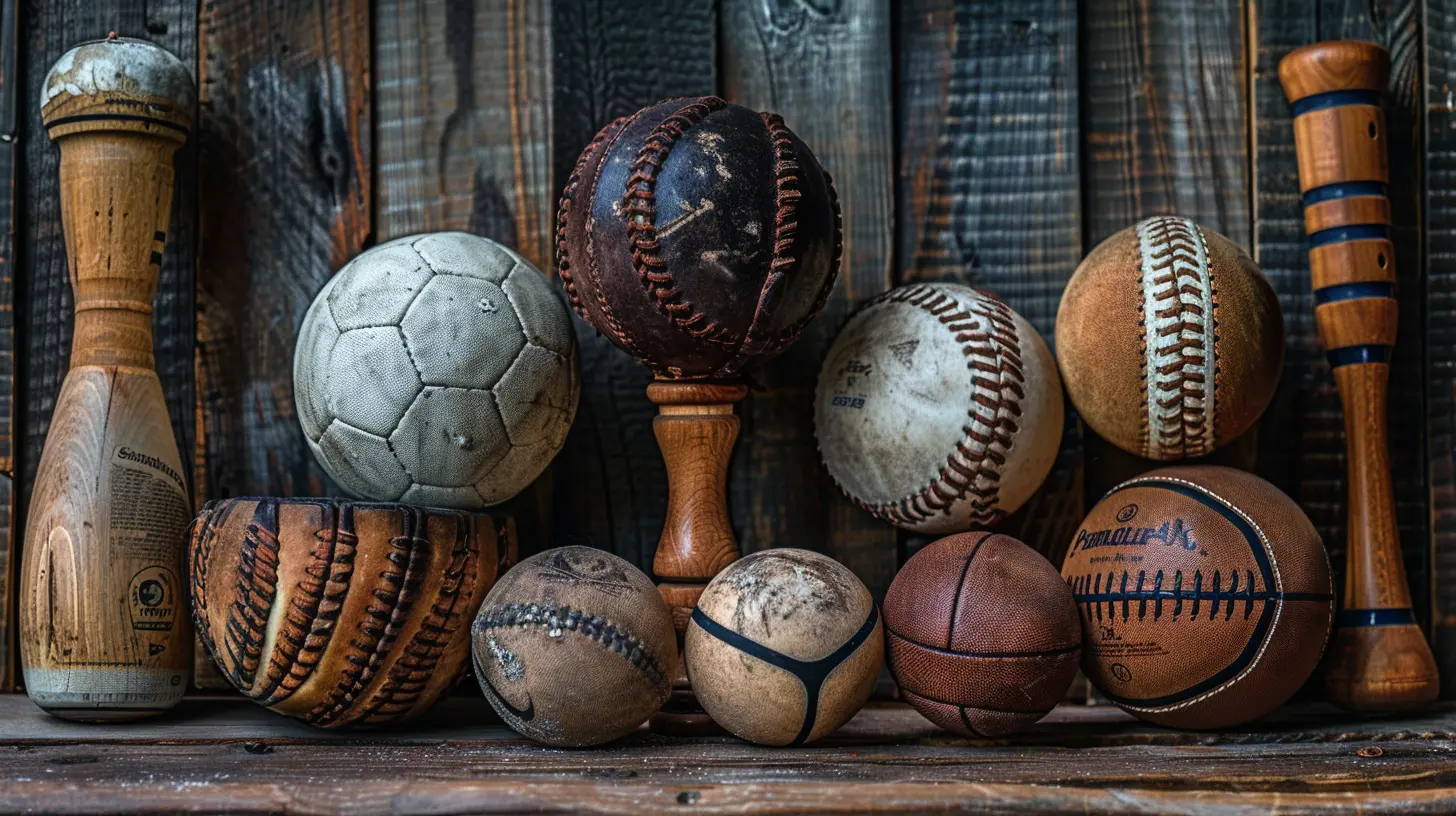
Real-Life Examples of Legendary Sportsmanship
Let’s move beyond theory into some jaw-dropping real-world moments that show how sportsmanship can be pure magic.1. Abby Wambach’s Selfless Pass
During the 2015 Women’s World Cup Qualifiers, instead of going for a sure goal, U.S. soccer star Abby Wambach passed the ball to a teammate so she could score her first international goal. That’s leadership and sportsmanship rolled into one.2. Nadal and Federer’s Friendship
Despite being intense rivals on the court, Roger Federer and Rafael Nadal have shown immense affection and support for each other off it. Their bromance proves that competition and respect can go hand-in-hand.3. Derek Redmond & His Dad
At the 1992 Olympics, British sprinter Derek Redmond tore his hamstring mid-race. As he hobbled toward the finish, his father jumped onto the track to help him across. The crowd erupted. Redmond didn’t win, but he won hearts—and showed the world what perseverance and love of the game really mean.The Flip Side: When Sportsmanship Goes Missing
Let’s be honest—it’s not always rainbows and high-fives. There have been plenty of cringeworthy moments in sports history too, where athletes lost their cool, cheated, or disrespected opponents.Think of incidents like:
- The “Hand of God” goal in soccer.
- Players throwing punches in the NBA.
- Athletes testing positive for performance-enhancing drugs.
What do these moments have in common? They might give someone a win, but they tarnish not only personal reputations but the spirit of the sport itself.
And here’s the kicker—fans remember these low points just as much, if not more, than the wins.
How Coaches and Parents Influence Sportsmanship
Want to know where good sportsmanship starts? At the grassroots level.Coaches and parents play a HUGE role in shaping how athletes behave. When adults focus solely on winning, kids pick up on that energy. But when they emphasize effort, teamwork, and respect, young athletes pick up those values instead.
Some quick tips:
- Celebrate effort, not just results.
- Teach kids how to lose (yep, it’s a skill).
- Lead by example—your attitude matters more than your words.
Building a Culture of Sportsmanship
You can’t force sportsmanship, but you can definitely encourage it. Here’s how teams, leagues, and fans can help build a strong culture around it:1. Recognize Good Behavior
Let’s not just reward MVPs. Why not also award athletes who show outstanding sportsmanship?2. Create Team Codes
Team charters or codes of conduct can remind everyone of the shared values they stand for.3. Peer Accountability
Sometimes the most powerful message comes from teammates. Peer pressure can work for good too—especially when it involves calling out bad behavior.4. Use Social Media Wisely
In today’s world, a single tweet or viral video can shape public perception. Use platforms to highlight acts of kindness and fair play—not just flashy dunks or wild goals.Can You Be Both Fierce and Friendly?
Absolutely. There’s a big myth out there that being kind or respectful makes you less competitive. Total nonsense.You can play fiercely, with passion and grit, and still hold your values close. If anything, sportsmanship helps players stay focused and composed. It separates hot-headed athletes from cool-headed champions.
In fact, some of the most intense rivalries have birthed the strongest mutual respect—think Serena vs. Venus, Messi vs. Ronaldo, or Ali vs. Frazier.
Why Sportsmanship Is a Long-Term Game
Here’s a little truth bomb: skills fade. Speed slows down. Careers end. But legacy? That sticks.Athletes known for their decency, respect, and character get remembered long after the buzzer. They become mentors, icons, and role models not just in the locker room, but in life.
In the end, trophies collect dust. It’s how you made people feel, how you carried yourself, and how you lifted others up that really matters.
Final Thoughts: Let’s Bring Heart Back Into the Game
Champions aren’t just determined by final scores. They’re defined by the heart they bring to the game, the respect they show to others, and the integrity with which they play.Sportsmanship isn’t a “soft” quality. It’s the toughest, truest sign of greatness. Whether you're a pro athlete, a weekend warrior, or a peewee league parent, never underestimate the power of playing the game the right way.
Because at the end of the day, if we lose our sportsmanship, we lose the soul of sports.
So next time you step onto the field, ask yourself: Am I just here to win? Or am I here to be a true champion?
all images in this post were generated using AI tools
Category:
Sportsmanship AwardsAuthor:

Preston Wilkins
Discussion
rate this article
2 comments
Elowen McAnally
Great insights! Sportsmanship truly elevates competition.
February 11, 2026 at 5:39 AM
Preston Wilkins
Thank you! I'm glad you enjoyed the insights. Sportsmanship really does highlight the true spirit of competition!
Owyn Taylor
What a compelling perspective! It’s fascinating to see how sportsmanship goes beyond skill and victory, shaping not just athletes but their communities. How do you think we can encourage more sportsmanship in youth sports today?
January 9, 2026 at 12:42 PM
Preston Wilkins
Thank you! Encouraging sportsmanship in youth sports can be achieved by emphasizing teamwork, respect for opponents, and celebrating effort over outcome. Implementing educational programs for coaches and parents can also foster a positive environment that prioritizes character development alongside competition.