The Evolution of Striking in Modern MMA
9 December 2025
Mixed Martial Arts (MMA) has come a long way since its early days. The raw brawls of the past have transformed into a highly technical and strategic sport, where striking has evolved into a precise and dynamic art. Fighters today aren't just swinging for the fences—they're calculating angles, setting traps, and combining multiple martial arts to outclass their opponents.
But how did striking in MMA evolve? What techniques dominate today? And what does the future hold for striking in the sport? Let’s break it all down. 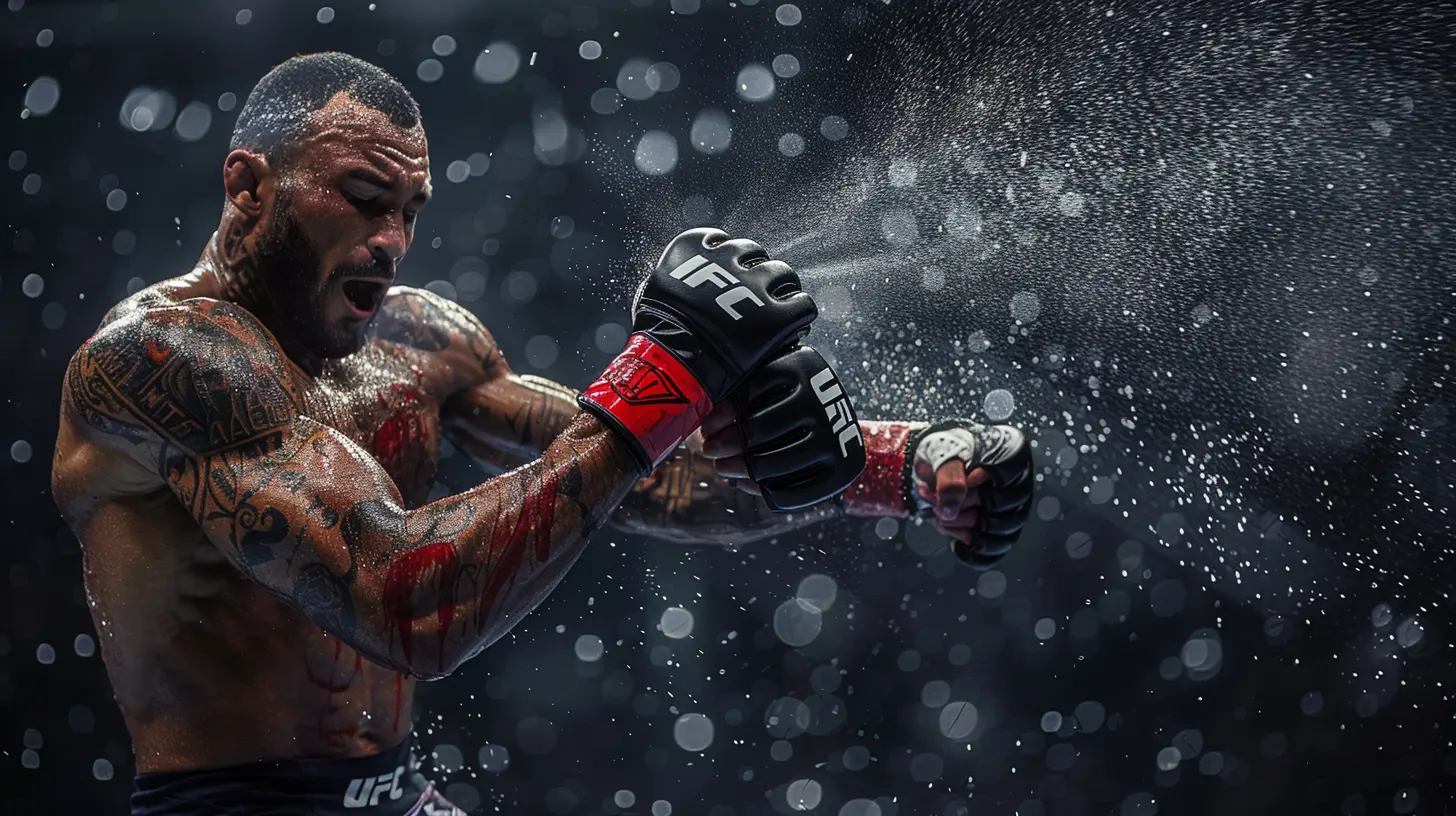
The Wild Beginnings: Punches, Kicks & Chaos
When the UFC first started in the early 1990s, it was a no-holds-barred spectacle. Fighters from different backgrounds—boxers, kickboxers, wrestlers, and jiu-jitsu practitioners—clashed in a chaotic display of styles. Striking back then was often basic, relying more on power than finesse.Boxers stuck to their hands, kickboxers tried to keep the fight at kicking range, and wrestlers often looked lost when forced to stand and trade punches. Few fighters truly understood how to blend striking techniques effectively.
One of the fighters who stood out in those early days was Maurice Smith, a kickboxer who showcased the importance of striking and conditioning. But it wasn’t until the late '90s and early 2000s that striking in MMA started to evolve into a more sophisticated weapon. 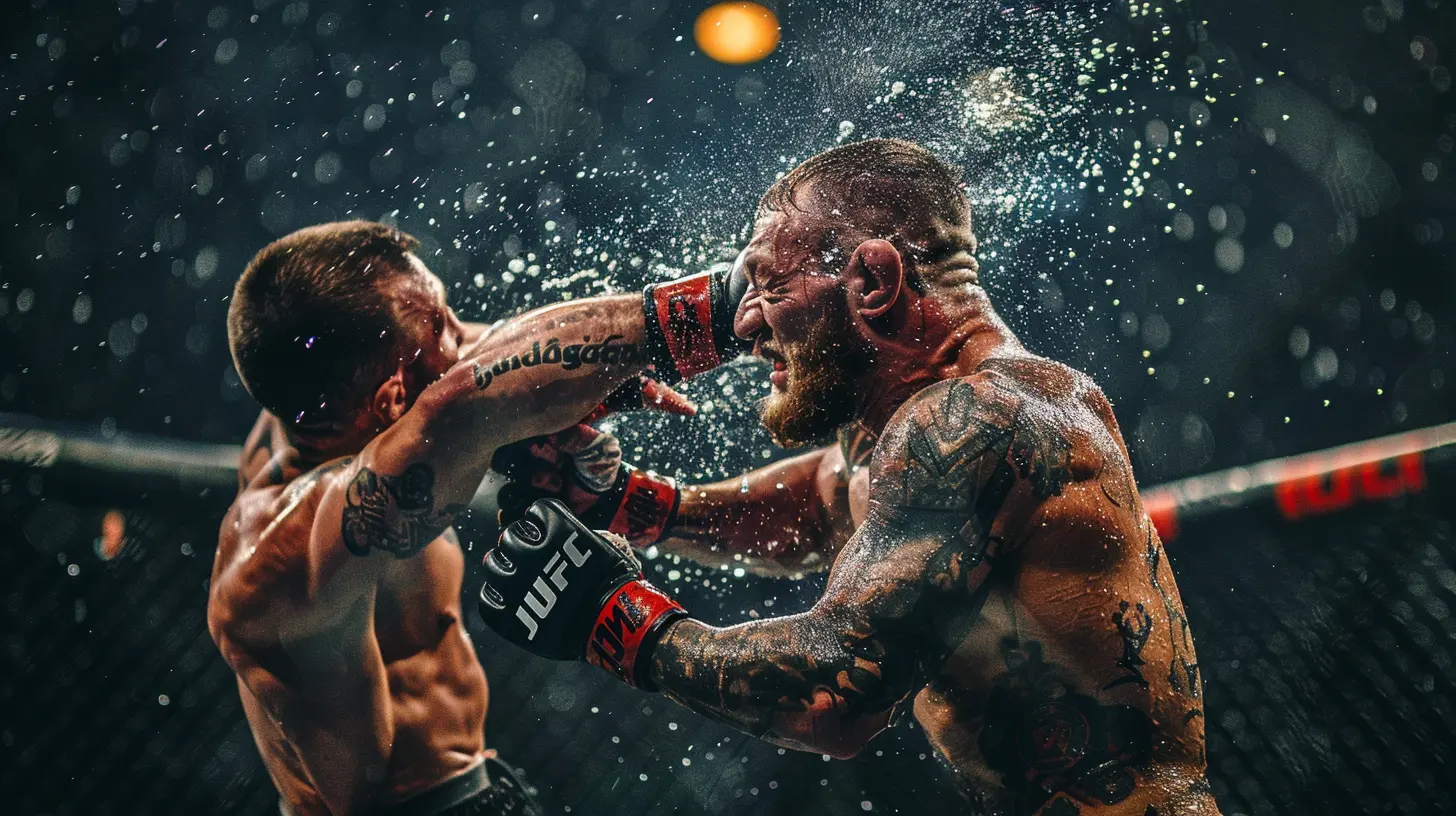
Enter the Muay Thai & Kickboxing Era
As MMA developed, fighters began incorporating Muay Thai and Dutch kickboxing, realizing that raw punching power wasn’t enough—striking needed versatility. Fighters like Mirko Cro Cop, Anderson Silva, and Jose Aldo showcased the effectiveness of well-rounded striking skills.- Mirko Cro Cop brought in devastating head kicks that could put anyone to sleep.
- Anderson Silva displayed fluid movement, head movement, and pinpoint accuracy, making striking look effortless.
- Jose Aldo used crippling leg kicks to slow down opponents and control fights.
Suddenly, striking wasn’t just about hitting hard—it became about striking smart. Fighters learned to use setups, feints, and angles to land clean shots while avoiding damage. 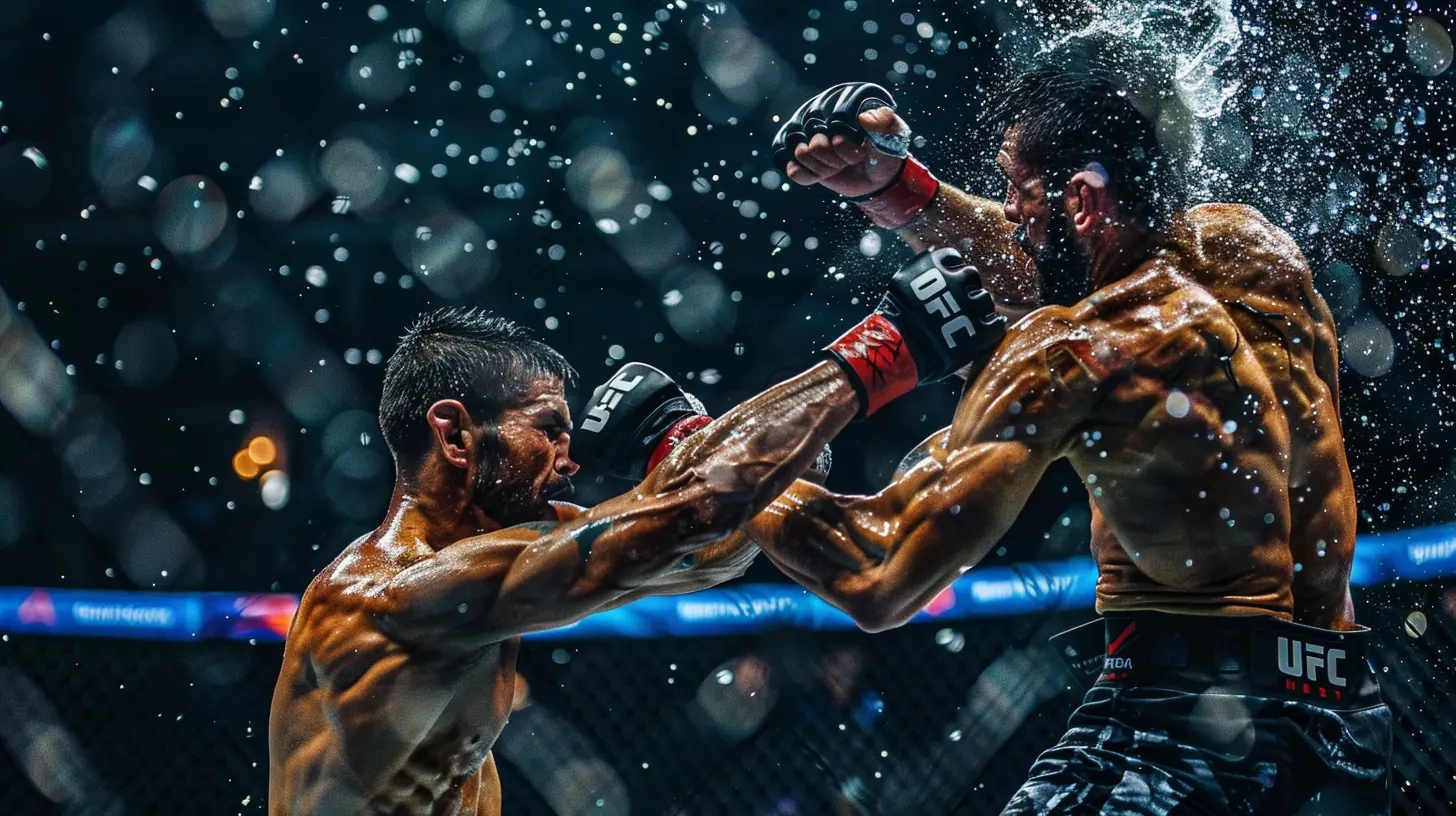
Boxing Fundamentals Take Over
Though Muay Thai and kickboxing dominated for years, the integration of boxing fundamentals took MMA striking to another level. Fighters started studying traditional boxing to improve footwork, head movement, and punch accuracy.- Conor McGregor revolutionized MMA striking with his unique karate-style stance mixed with crisp boxing mechanics. His precision, timing, and ability to control distance made him one of the most dangerous strikers in history.
- Max Holloway brought high-volume boxing to the cage, overwhelming opponents with relentless pressure and incredible accuracy.
- Jorge Masvidal showcased slick boxing, counterpunching, and an understanding of range that allowed him to land clean shots even against elite strikers.
This era highlighted the importance of footwork and head movement—two areas that were often neglected in the early days of MMA. The ability to evade strikes and counter effectively became a key component of elite-level striking. 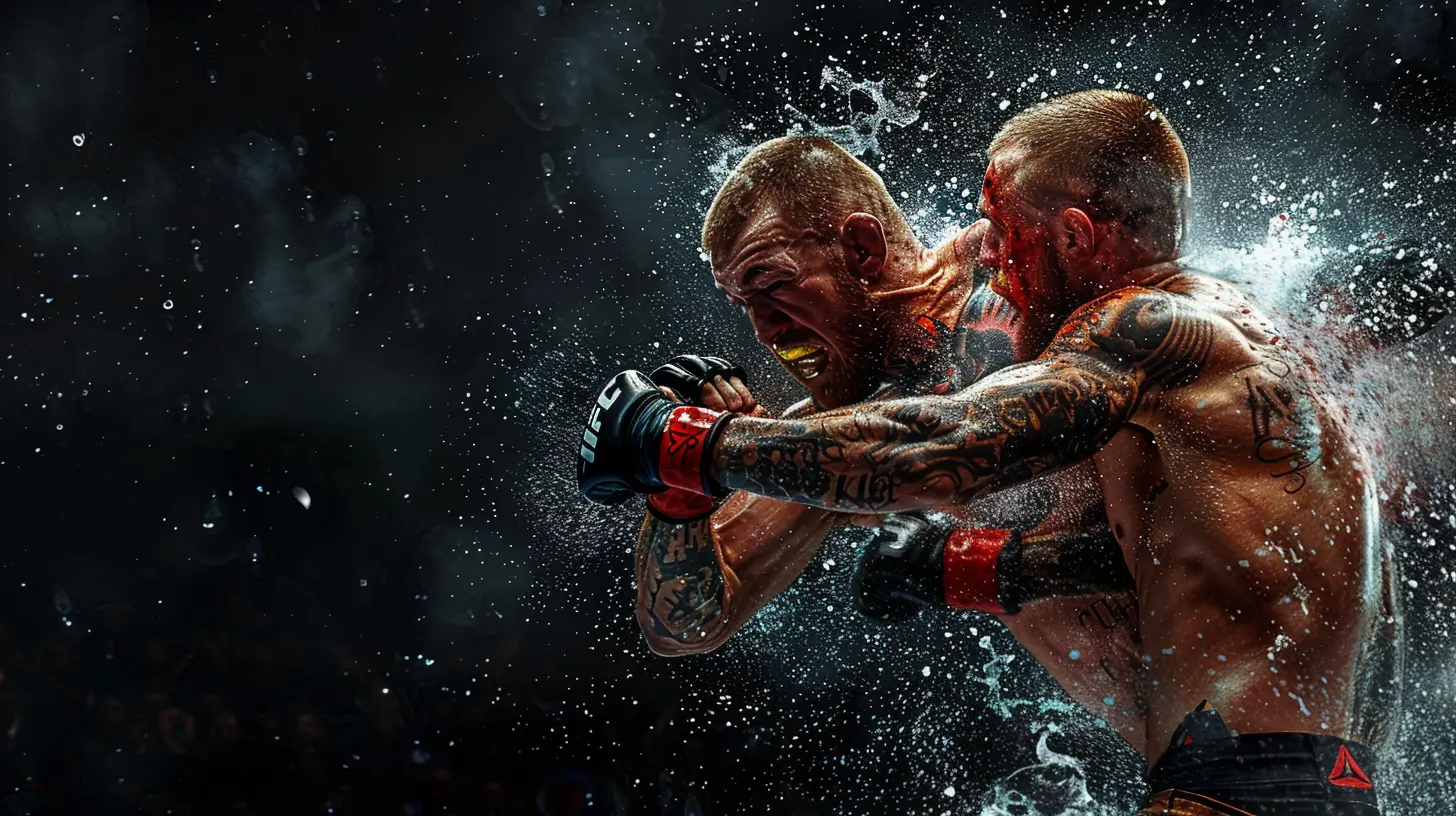
The Rise of Karate & Taekwondo Influence
While boxing and Muay Thai remained dominant, some fighters began successfully integrating karate and Taekwondo techniques. Traditional martial arts were once thought to be ineffective in MMA, but fighters like Lyoto Machida, Stephen "Wonderboy" Thompson, and Yair Rodriguez proved otherwise.- Machida’s karate stance and movement made him elusive, allowing him to land precise counterstrikes.
- "Wonderboy" Thompson’s sideways stance and unpredictable kicks forced opponents to fight at his pace.
- Yair Rodriguez’s flashy kicks and spinning attacks brought a new level of creativity to MMA striking.
These fighters demonstrated that unorthodox striking styles, when used correctly, could be just as effective—if not more so—than traditional Muay Thai or boxing.
The Evolution of Defensive Strategies
Striking isn’t just about offense. As the level of striking improved, so did defensive tactics. Fighters started focusing more on head movement, footwork, and counterstriking to avoid damage while setting up their own shots.- Israel Adesanya, a former kickboxing champion, uses elite-level movement and distance control to make opponents miss while delivering devastating counters.
- Petr Yan blends high-level defensive boxing with calculated pressure to break down opponents over time.
- Dominick Cruz introduced a unique footwork-heavy style, making him difficult to hit while allowing him to land strikes from unpredictable angles.
Defensive striking became just as important as offensive ability. Fighters who could make their opponents miss and capitalize on mistakes started dominating the sport.
MMA-Specific Striking: The Blend of All Worlds
Today, the best strikers in MMA don’t rely on just one style—they seamlessly blend multiple martial arts. The evolution of the sport has led to a hybrid striking system, where fighters combine boxing, Muay Thai, kickboxing, karate, and even Taekwondo to create their own unique striking approach.Look at Alexander Volkanovski—he mixes boxing fundamentals with well-timed kicks, feints, and stance switches to confuse and overwhelm opponents. Similarly, Leon Edwards proved how a well-rounded striking game, complemented by elite defensive skills, could be the key to championship success.
The days of one-dimensional strikers are long gone. Fighters today are learning to strike from every range, adapt to different styles, and use striking setups to open up opportunities not just for knockouts, but also for takedowns and submissions.
What’s Next? The Future of Striking in MMA
So where is striking in MMA headed? Here are a few trends that seem to be shaping the future:1. More Blended Styles – Fighters will continue mixing elements from various striking arts to create their own unique approach. The lines between boxing, Muay Thai, karate, and kickboxing will blur even further.
2. Increased Use of Feints & Traps – Striking will become more deceptive, with fighters using feints, setup strikes, and calculated footwork to bait opponents into making mistakes.
3. Better Defensive Awareness – Future fighters will be even harder to hit as striking defense continues to evolve. Expect head movement, footwork, and counter-striking to reach new levels.
4. More Creative Striking Techniques – Expect more spinning strikes, unorthodox kicks, and unpredictable combinations as fighters push the limits of what’s possible.
MMA striking isn’t just about throwing punches and kicks anymore—it’s becoming a mental chess match, where fighters must outthink their opponents as much as they outfight them.
Final Thoughts
The evolution of striking in MMA has been nothing short of incredible. From the early days of wild brawlers to today’s highly technical and strategic approach, the sport has undergone a massive transformation.Striking now requires speed, precision, creativity, and adaptability. Fighters must study multiple disciplines, refine their techniques, and constantly evolve to stay ahead.
As MMA continues to grow, striking will only get better, smarter, and more exciting. The next generation of fighters will push boundaries even further—who knows what’s next?
One thing’s for sure: in modern MMA, striking isn’t just a skill—it’s an ever-evolving art.
all images in this post were generated using AI tools
Category:
MmaAuthor:
Preston Wilkins
Discussion
rate this article
2 comments
Shannon Baker
Insightful piece, great read!
December 18, 2025 at 3:29 AM
Preston Wilkins
Thank you! I'm glad you enjoyed it!
Tyler Sharpe
“From featherweights to heavyweights, striking has evolved faster than my cat during dinner time!”
December 12, 2025 at 5:45 AM
Preston Wilkins
Absolutely! The rapid evolution of striking techniques in MMA showcases the sport's dynamic nature, much like your cat's impressive speed!