The Evolution of Cricket Equipment: From Leather to High Tech
10 December 2025
Cricket, often referred to as a gentleman's game, has a rich history that spans centuries. It's a sport known for its traditions, but even cricket couldn't escape the winds of change. One of the most fascinating aspects of this evolution is the transformation of cricket equipment. From rudimentary leather balls and basic wooden bats to high-tech gear packed with innovation, cricket equipment has undergone a dramatic metamorphosis.
In this article, we're going to take a deep dive into the journey of cricket equipment, exploring how leather and wood have given way to advanced materials and technology. So, grab a cup of coffee (or tea, if you're feeling particularly British), and let's travel back in time to see just how far cricket gear has come.
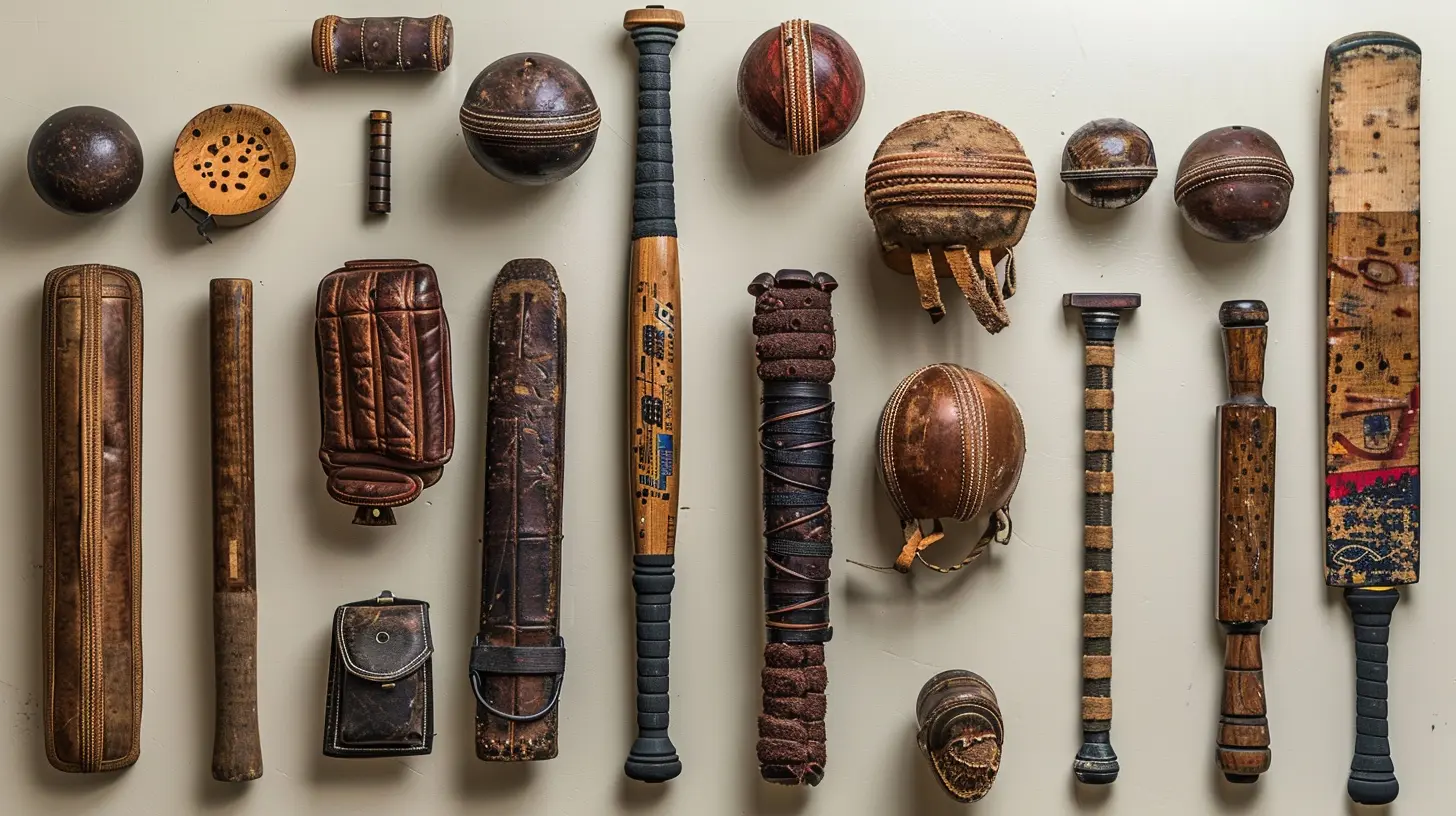
The Early Days: Basic and Barebones Cricket Gear
Cricket, as we know it today, began taking shape in the 16th century. Back then, the game was a far cry from the fast-paced, high-energy spectacle we see in modern stadiums. The rules were less formal, and so were the tools of the game. Early cricket gear was pretty rudimentary, and the focus was on making do with what was available.The Bats: From Clubs to Flat Blades
The first cricket bats were more like clubs than the sleek, flat blades we see today. Picture a hefty tree branch, and you're not far off. These early bats were curved and bulky, quite similar to a hockey stick. There was no need for a flat surface because the bowling style was underarm, and the ball rarely bounced.But as bowling techniques evolved and bowlers began experimenting with overarm deliveries, batsmen needed more control. Enter the flat-blade bat in the 18th century. This was a significant shift, allowing for a more strategic approach to batting. Now, batsmen could meet the ball with a broad surface and play a wider range of shots.
Still, these early bats were made from solid willow wood, a tradition that continues to this day. Why willow? It's both strong and flexible, making it ideal for absorbing the impact of fast deliveries without splintering.
The Ball: Leather Takes Center Stage
The cricket ball has always been leather-bound, but in the early days, the ball was much softer and less consistent in shape and size. In the 18th century, the standardization of the ball began, and manufacturers started producing balls with a core made of cork, wrapped in tightly stitched leather.The red leather ball became the gold standard for Test matches, but other variations, like the white ball for limited-overs cricket, would come later. The ball’s condition has always been crucial to the game, with players using various legal—and sometimes not-so-legal—methods to maintain or alter its behavior.
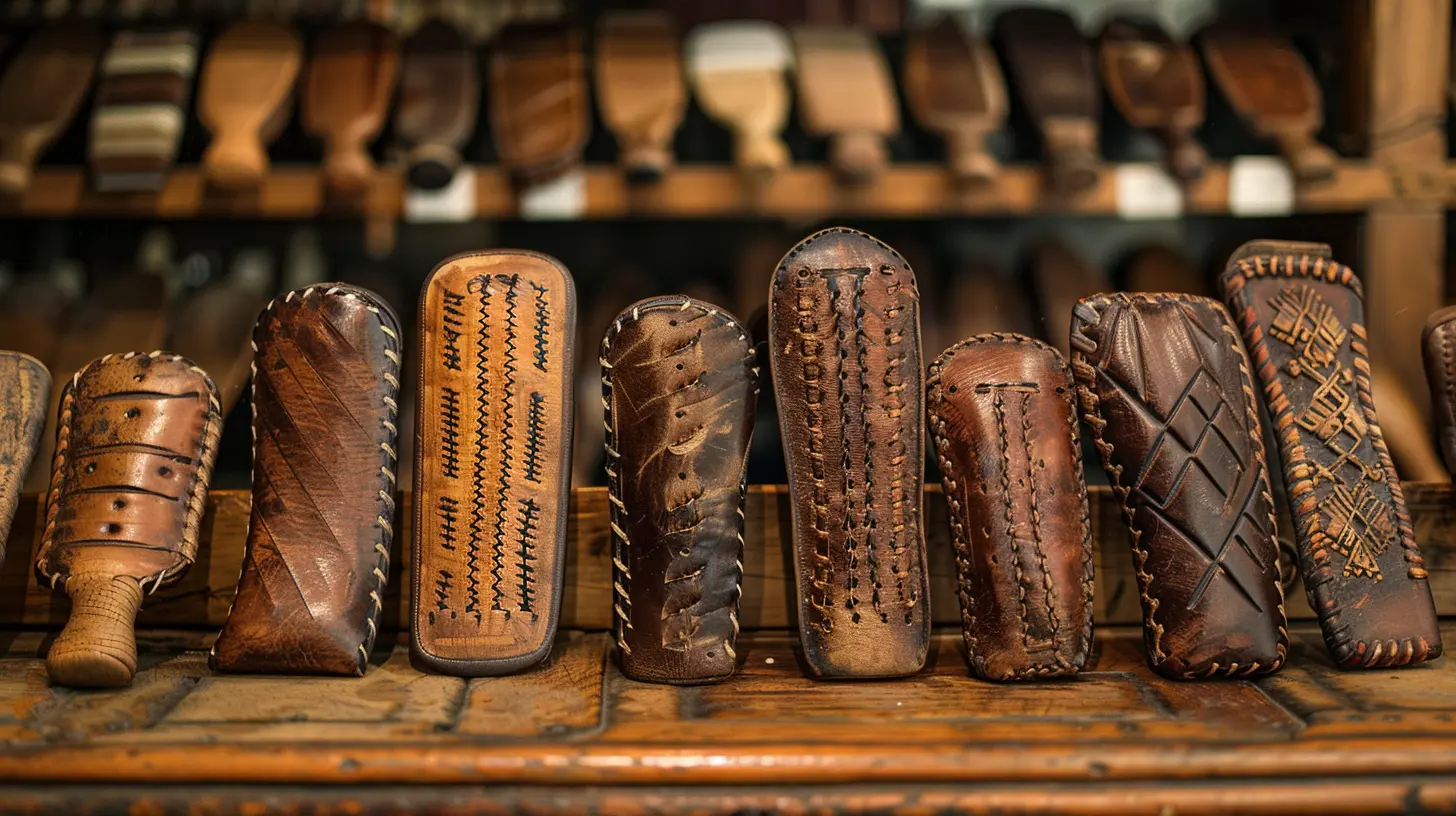
Protective Gear: From Bare Knuckles to Full Armor
Cricket in its early days was not for the faint-hearted. Players had minimal protection, and injuries were par for the course. It wasn’t until the late 19th century that protective gear started making its way into the game.Pads: Protecting the Shins
Early cricketers wore nothing but their whites, and bruised shins were a common occurrence. In the 1800s, leg pads were introduced to protect batsmen from fast bowlers. These pads, made of leather, were bulky and not particularly comfortable, but they served their purpose.Over the years, pads have become lighter and more ergonomic. Modern pads use high-density foam and other materials to offer maximum protection without weighing players down. Some even come with moisture-wicking fabric to keep players cool in the heat of battle.
Gloves: From Bare Hands to High-Tech Grip
Batsmen in the early days had no gloves, and as you can imagine, a fast delivery striking unprotected fingers could be extremely painful. Gloves were introduced more out of necessity than luxury, offering some protection against broken fingers.Initially, gloves were simple, made from leather with minimal padding. Today, however, cricket gloves have become a marvel of design and technology. Modern gloves feature multiple layers of protection, including gel inserts and finger rolls, to minimize the risk of injury. They also come with enhanced grips, allowing players to hold the bat more securely.
Helmets: A Game-Changing Innovation
Perhaps the most significant advancement in protective gear is the introduction of the cricket helmet. Believe it or not, helmets didn’t become a regular part of the game until the 1970s. Before that, batsmen faced fast bowlers with nothing but their cap for protection.It was Australian cricketer Graham Yallop who first wore a protective helmet during a match in 1978, and the rest is history. Today's helmets are lightweight yet incredibly strong, made from materials like carbon fiber and reinforced with steel grills to protect the face.
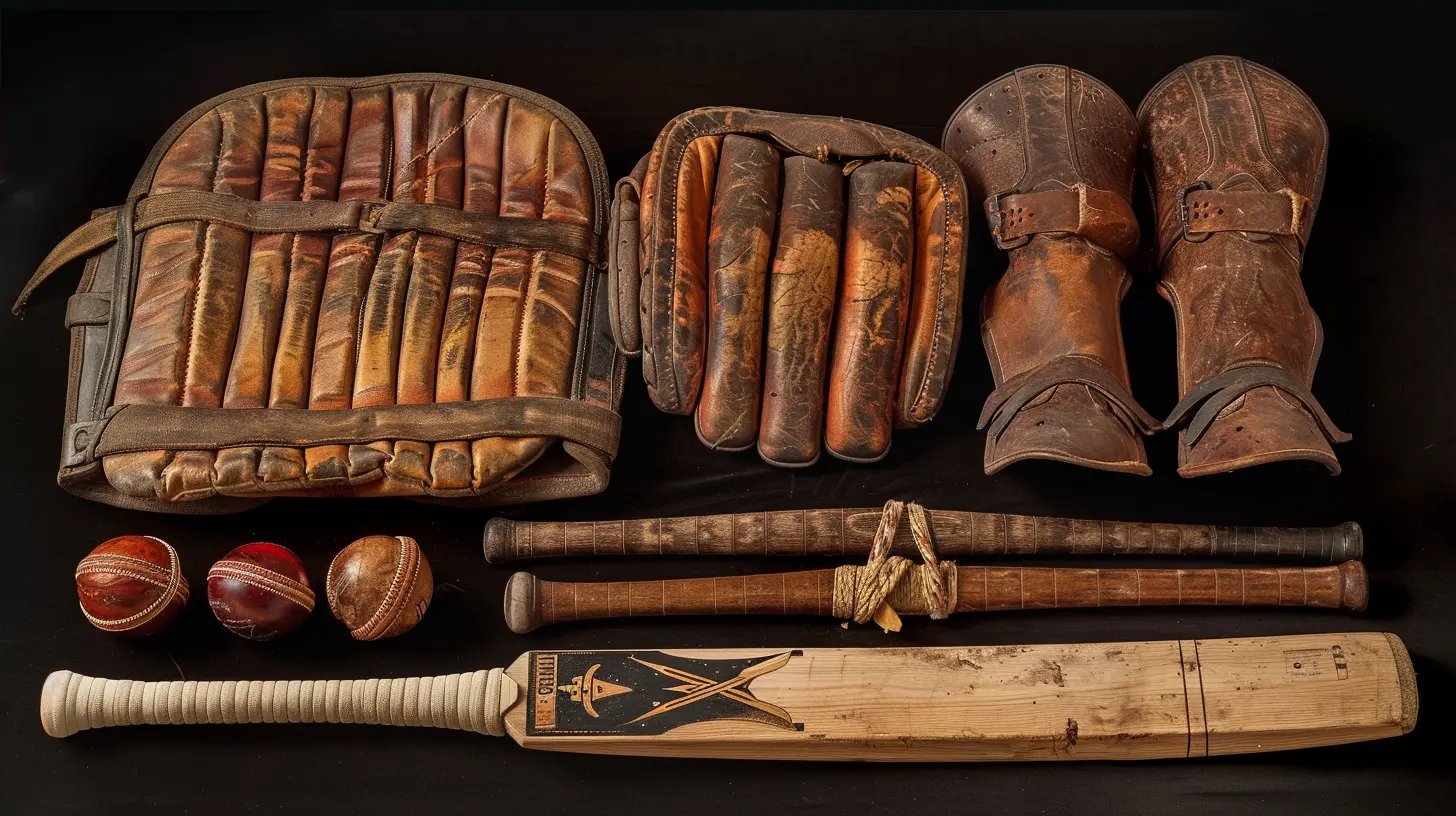
The Rise of Technology: High-Tech Cricket Gear
As the sport evolved, so did the science behind cricket equipment. The 21st century has seen the introduction of high-tech materials and innovations designed to enhance performance and safety.Bats: Lighter, Stronger, and More Powerful
While willow is still the material of choice for cricket bats, modern bats are engineered to be lighter and more powerful. The balance between weight and power has been fine-tuned, allowing batsmen to swing faster and hit farther without losing control.Some manufacturers have also experimented with adding carbon fiber inserts to strengthen the bat without increasing its weight. This gives batsmen an edge, especially in shorter formats of the game like T20, where power-hitting is crucial.
Additionally, bat handles now often come with vibrations dampening materials, which help reduce the sting felt by the hands when a ball is struck off-center.
Smart Helmets: More Than Just Protection
The cricket helmet has come a long way since its introduction. Today, some helmets are equipped with sensors that can measure impact force, helping medical teams assess potential injuries like concussions in real-time. This technology is particularly useful in determining whether a player should continue or be substituted after a blow to the head.Shoes: Tailored for the Modern Game
Cricket shoes have also evolved significantly. Early cricketers played in standard leather shoes, which offered little in the way of grip or comfort. Today’s cricket shoes are specialized, with spikes for better traction on the field and cushioned soles to absorb shock.Some modern cricket shoes are even designed for specific positions. Fast bowlers, for example, need shoes with extra support to protect their ankles and knees from the strain of repetitive, high-impact actions. Meanwhile, batsmen need shoes that offer flexibility and stability, allowing for quick pivots and sprints between the wickets.
Smart Gear: Tracking Performance in Real-Time
One of the most exciting developments in recent years is the rise of smart cricket gear. Companies have started embedding sensors into bats, gloves, and even balls to track performance metrics like bat speed, impact location, and ball trajectory.For instance, the "SmartBat" by Kookaburra comes with sensors that sync with a mobile app, providing detailed analytics on a player’s swing and shot selection. This kind of data-driven insight can be invaluable for improving technique and performance.
The Ball: Microchips and Beyond
Even the humble cricket ball hasn’t escaped the march of technology. While the basic construction remains the same, some balls now come equipped with microchips to track speed, spin, and swing. These data points can be transmitted in real-time, providing valuable information to broadcasters, coaches, and players alike.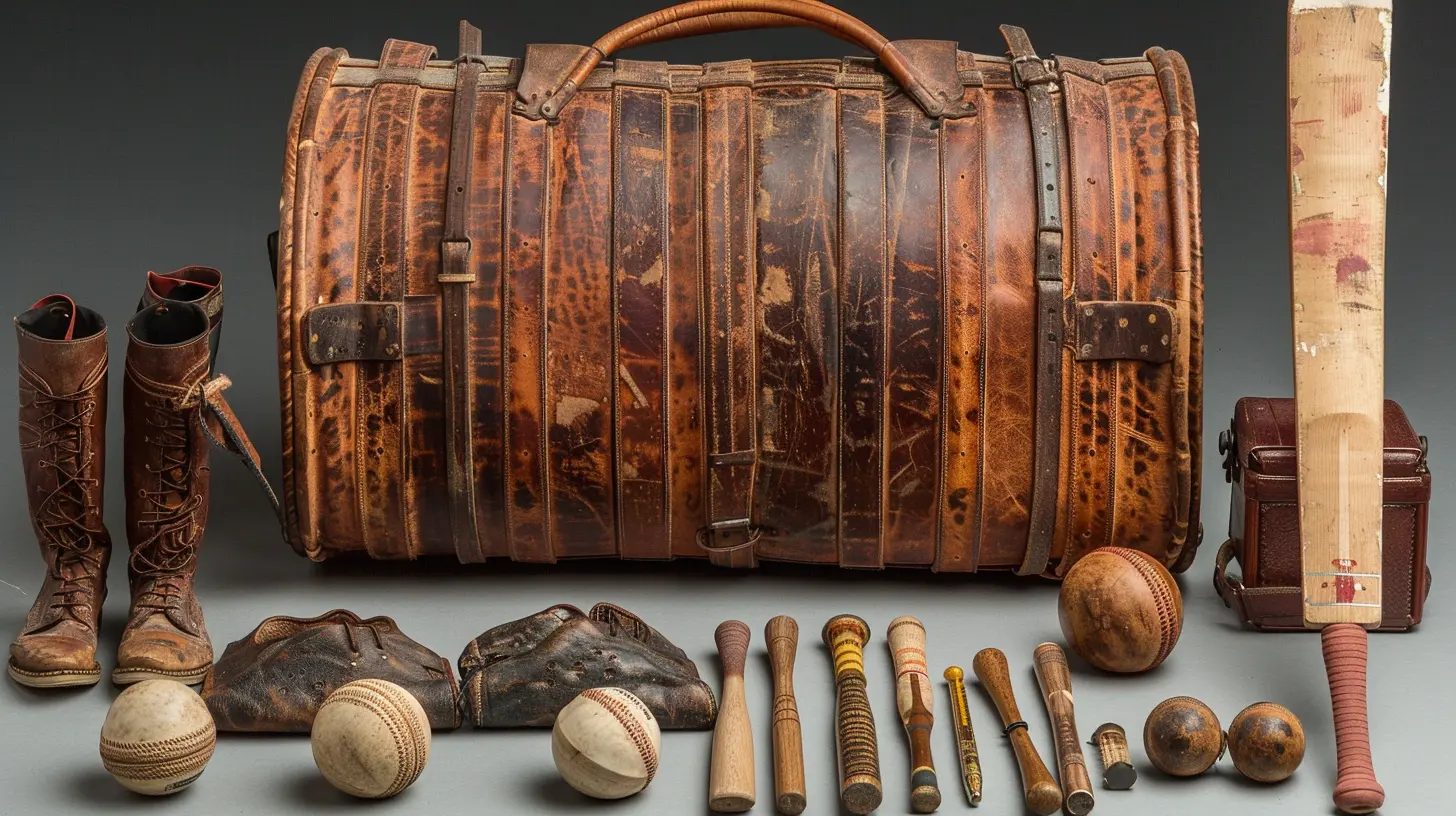
The Future of Cricket Equipment: What’s Next?
If the past few decades are anything to go by, the future of cricket equipment is likely to be even more high-tech and specialized. We might see further developments in smart gear, with more advanced sensors and data analytics becoming a routine part of training and match preparation.There are also discussions about using 3D printing to create custom cricket equipment tailored to individual players’ specifications. Imagine a world where every bat, glove, or pair of shoes is designed to fit a player’s unique playing style and physical attributes.
One thing’s for sure: cricket will continue to evolve, and so will the gear that players use. The sport may be steeped in tradition, but there’s always room for innovation.
Conclusion
From the early days of leather balls and heavy wooden bats to the high-tech gear of today, cricket equipment has come a long way. Each innovation has not only made the game safer but also more dynamic and exciting.As technology continues to advance, we can only imagine what the future holds for cricket equipment. Whether it’s smart bats that can predict the perfect shot or helmets that provide instant feedback on concussions, one thing is clear: the evolution of cricket equipment is far from over.
So, next time you watch a cricket match, take a moment to appreciate the gear. It’s not just a bat or a ball—it’s the product of centuries of innovation and ingenuity.
all images in this post were generated using AI tools
Category:
CricketAuthor:

Preston Wilkins
Discussion
rate this article
2 comments
Anastasia Hardy
From cowhide to AI—cricket's getting way too fancy!
December 26, 2025 at 11:54 AM
Preston Wilkins
True! It’s fascinating to see how technology has transformed the game, making it both more advanced and accessible.
Beatrix McCune
Great article! The evolution of cricket equipment highlights how technology has transformed the game. It’s fascinating to see how innovations improve performance and player safety. It would be interesting to explore how these advancements impact playing styles and the future of the sport. Keep up the insightful content!
December 11, 2025 at 3:32 AM
Preston Wilkins
Thank you! I'm glad you enjoyed the article. I appreciate your thoughts on how technology influences playing styles and the future of cricket—definitely worth exploring further!