The Business of Broadcasting Sports Leagues: A Deep Dive
19 August 2026
Let’s face it—watching sports isn’t just a pastime anymore. It’s a full-blown industry. And guess what fuels it more than hot dogs and foam fingers? Broadcasting. Yep, those deals that let you watch the Super Bowl from your couch in your pajamas are worth billions.
So, how did we go from Saturday radio broadcasts to global streaming deals with networks throwing cash like confetti at the feet of sports leagues? Buckle up, because we’re going on a trip deep into the business of broadcasting sports. Think of it as peeling back the curtain on the real MVPs—the ones behind the camera.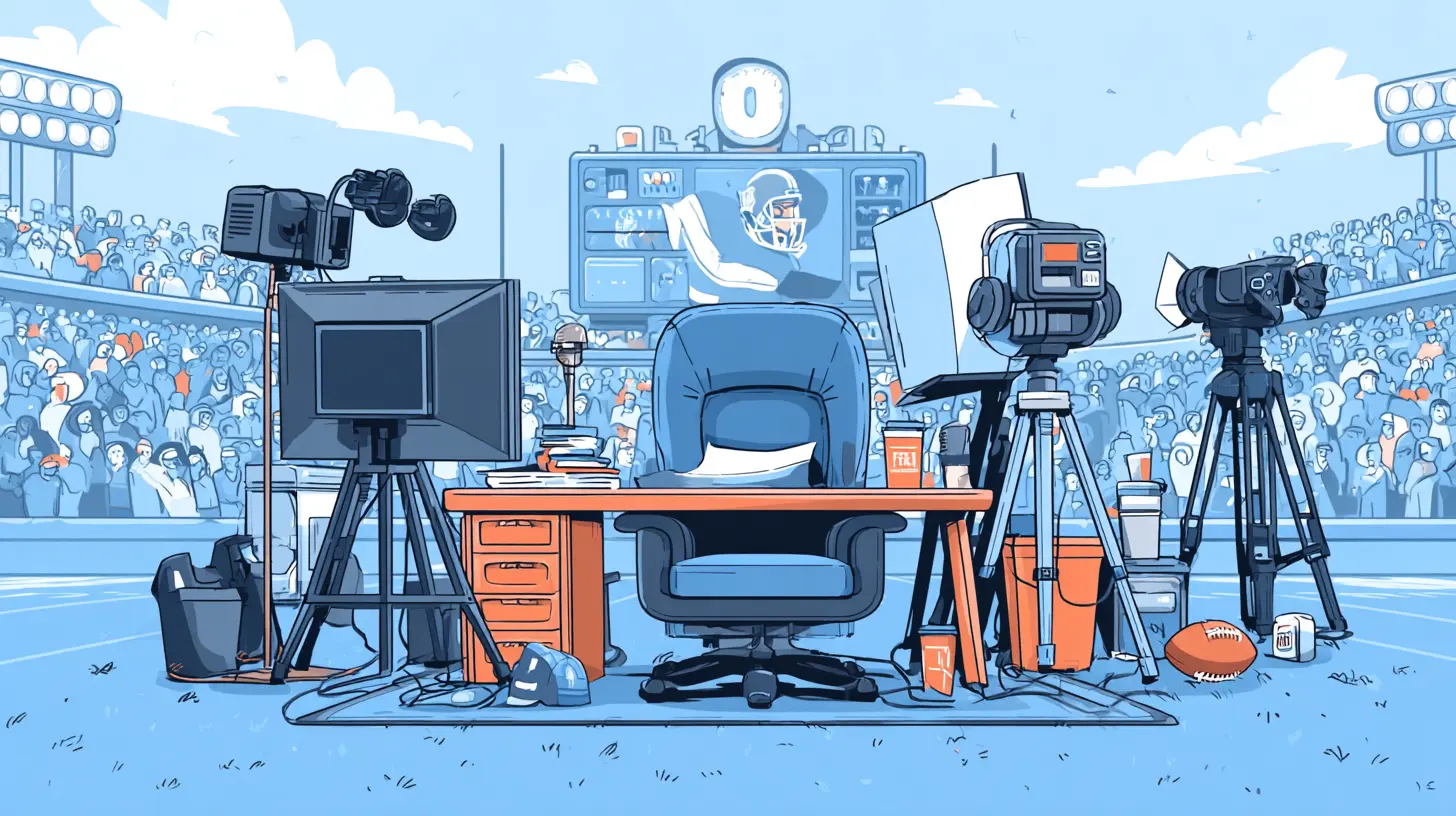
The Evolution of Sports Broadcasting
From Radio Waves to Digital Streams
Let’s rewind a bit. Way back in the 1920s and 30s, sportscasting was a radio-only gig. Families huddled around radios to catch play-by-play commentary with announcers painting vivid pictures with words. Fast forward to the 1950s, and television changed everything. Now you could see the action with your own eyes—cheering fans, buzzer-beaters, and heart-stopping finishes.But it didn’t stop there. Enter cable TV, satellite networks, and now, digital streaming services. Today, you can catch a game on your phone while standing in line for coffee. Crazy, right?
The Explosion of Broadcast Rights
Here’s the juicy part: As sports viewership exploded, so did the value of the broadcasting rights. Leagues realized they had gold—millions of loyal fans who'd do just about anything to follow their team. That kind of loyalty? It’s worth a fortune.That’s why TV networks and streaming platforms fight (and pay big) for exclusive rights. Want to air NFL games? Better bring your checkbook—and a couple billion dollars.
Why Sports Leagues Love Broadcasting Deals
Hello, Revenue!
Let’s cut to the chase—broadcasting is a cash cow. For leagues like the NFL, NBA, or EPL, media rights often make up the largest chunk of income. We're talking billions of dollars pouring in from multiple networks, each paying to air specific games, seasons, or even highlights.For instance, the NFL’s most recent media deal was reportedly worth over $100 billion. That’s right. With a “B.” And that’s just for the U.S. market!
Exposure = Growth
Beyond the money, broadcasting brings eyeballs. And eyeballs bring fans. The wider your league airs, the bigger your audience. That means more merchandise sold, more ticket buyers, and stronger fan loyalty. Essentially, broadcasting is like steroids for the league’s popularity (minus the scandal).A Global Playbook
One of the smartest moves leagues have made is going global. Think about it: Why limit games to U.S. screens when people in Europe, Asia, and Africa are just as hungry for action?That’s why leagues are teaming up with international broadcasters and launching league-owned streaming platforms. The NBA League Pass, for example, lets fans worldwide tune in live. It’s like NBA season tickets without ever setting foot in an arena.
Inside the Broadcasting Deals
Who’s Paying Whom?
So how exactly does all this money move around? It starts with networks bidding on the rights to air games. These contracts often span multiple years and come with all kinds of clauses—like how many games can be aired, at what times, and on what platforms.Here’s a simple breakdown:
- Sports League: Owns the content (the games).
- Broadcaster (TV, cable, or streaming): Pays for the rights to air the content.
- Advertisers: Buy commercial time during games, often at premium rates.
- You (the fan): Pay for access—whether through subscriptions, cable bundles, or streaming apps.
Exclusive Rights and Blackout Rules
Ever tried to tune into a game and got hit with a blackout notice? Ugh, right? That’s because of exclusivity rules. If a broadcaster pays for exclusive rights in a region, the game can’t air on other platforms there. It’s frustrating for fans but often makes financial sense for broadcasters—they want your undivided attention (and your subscription).
The Streaming Shake-Up
The Cord-Cutting Era
Remember when cable was king? Not anymore. Today, millions of people are cutting the cord and switching to streaming services. That’s created a gold rush for sports content. Platforms like Amazon Prime, ESPN+, Apple TV+, and DAZN are all throwing their hats into the ring.And they're not just dipping their toes—they’re diving in. Amazon already streams Thursday Night Football and made huge waves with its Premier League rights in the UK.
Direct-to-Consumer Models
Some leagues are skipping the middleman entirely. Think NFL Game Pass or NBA League Pass. These services let leagues control the content, the pricing, and the user experience. It’s like having your own Netflix, but for slam dunks and touchdowns.It’s also a data dream. Leagues can now track viewer habits, preferences, and engagement on a granular level. You watched every LeBron game last year? Boom—expect personalized content heading your way.
Sponsorships, Commercials, and Money-Making Magic
Ads Are Still the MVP
Even with all this tech evolution, good ol' commercials are still a huge part of the playbook. Some ad spots—like during the Super Bowl—cost millions for just 30 seconds. Why? Because sports events pull massive, real-time audiences. Unlike Netflix shows you binge a week later, games are happening now. That’s gold for advertisers.Branded Content and Product Placement
Ever notice how almost every studio show has a “presented by” sponsor? Or how sidelines are packed with brand logos? That’s no accident. Companies pay big to get their name in front of fans. Sometimes, it’s subtle. Other times… not so much (we're looking at you, virtual ads on the soccer pitch).Challenges Ahead for the Sports Broadcasting Biz
Viewer Fatigue and Pricing Wars
Let’s get real: Watching all your favorite teams has become expensive. Between ESPN+, Peacock, Apple TV, and cable, fans are getting subscription fatigue. Too many platforms, too many logins, and a whole lotta confusion.It's the “streaming wars,” and nobody wants to lose—but fans are caught in the crossfire.
Fragmentation of Platforms
Back in the day, you knew where to catch the game. Now? You might need five apps, three different subscriptions, and a Google search just to find the kickoff time. This fragmentation is a pain point, and it’s pushing some fans away.Piracy and Illegal Streaming
One word: piracy. As prices go up, illegal streams multiply. Leagues and broadcasters are cracking down hard, but let’s be honest—they're playing digital whack-a-mole.The Future of Sports Broadcasting
Interactive Viewing
The next big thing? Interactive broadcasts. Imagine choosing your camera angle, getting real-time stats, or even engaging in live polls—all while watching the game. It’s like turning passive watching into an active experience.Virtual Reality and Augmented Reality
VR and AR aren’t just for gamers anymore. Picture watching a soccer match from a virtual seat in the stadium or seeing replays as holograms in your living room. Sounds like sci-fi, but we’re getting there quickly.Microtransactions and Pay-Per-Play
Another brewing trend? Paying for just the content you want. Don’t wanna buy an entire season? Cool—pay a couple bucks just to watch your team’s next game. It’s à la carte sports, and it could change the game entirely.Final Whistle
At the end of the day, the business of broadcasting sports is a high-stakes spectacle of its own. From billion-dollar TV deals to global streaming strategies, it's a constantly evolving space that’s deeply connected to the way we watch, love, and obsess over our favorite teams and players.Whether you’re a die-hard fan who never misses a game or someone who just tunes in for the playoffs, broadcasting shapes your experience. And while the technology and platforms will continue to change, one thing’s certain—sports will always find a way to get on screen.
Because no matter how the game is played, the world will always be watching.
all images in this post were generated using AI tools
Category:
Sports LeaguesAuthor:

Preston Wilkins
Discussion
rate this article
2 comments
Juliana Oliver
Broadcasting sports leagues is like trying to organize a family dinner with too many opinions and not enough pizza. Everyone wants the best seat, but in the end, we just hope the remote works and the game stays entertaining... because commercials can be brutal!
August 24, 2026 at 12:58 PM
Preston Wilkins
I love that analogy! Balancing all those opinions while keeping everyone entertained is definitely a challenge, and those commercials can really test our patience.
Elizabeth Green
This article sheds light on the complex dynamics of sports broadcasting. It's fascinating to see how TV deals impact leagues and fans alike. Looking forward to more insights!
August 23, 2026 at 4:00 AM
Preston Wilkins
Thanks for your comment! I'm glad you found the article insightful. There's definitely a lot to unpack in the world of sports broadcasting. Stay tuned for more!