Silencing the Critics: How Underdogs Proved They Belonged
30 August 2026
There’s something magical about rooting for the underdog, isn’t there?
No glitzy introductions. No sky-high paychecks. Just grit, grind, and a chip the size of a small planet on their shoulders. Whether it's on the field, the court, or the track, we’ve all seen that goosebump-inducing moment when the “nobody” becomes a “somebody.” When the ones written off by critics, experts, and even their own fans rise up and flip the script.
This article dives deep into the stories, psychology, and sheer willpower behind sports underdogs who didn’t just show up—they showed out.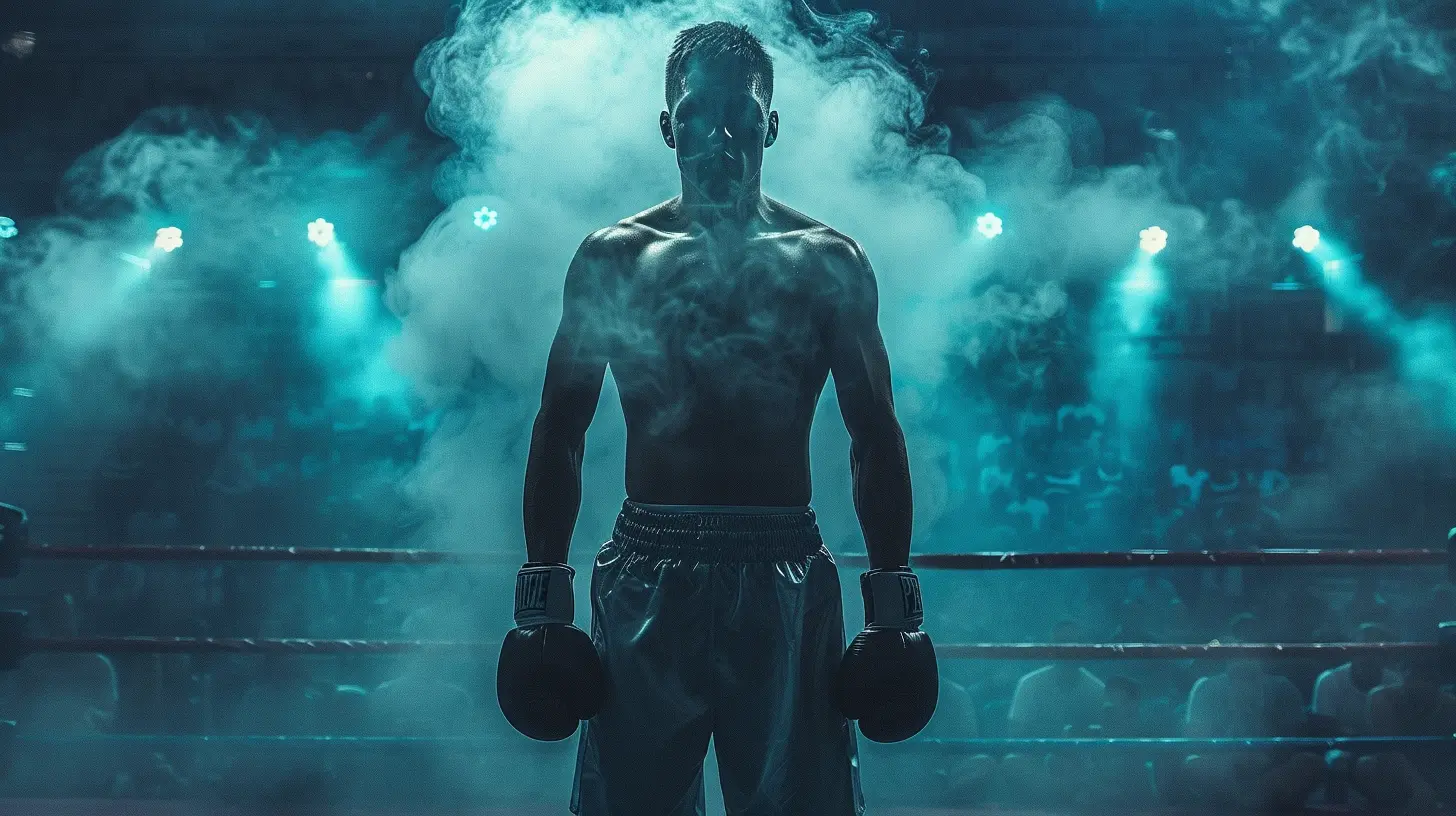
Why We Love the Underdog
Let’s face it—we’re hardwired to root for the little guy.When David squared up against Goliath, we leaned in. Not because we thought David had a shot, but because we hoped he did. In sports, the same energy applies.
You’ve got the top dogs, the favorites, the supposed “sure things.” Then there’s the underdogs—scrappy, underestimated, and often flat-out ignored by the media circus.
And when they win? Oh man, it’s electric.
Why? Because they remind us that heart, hustle, and belief can still outweigh pedigree, privilege, and preseason rankings.
The Psychology Behind “They Don’t Belong Here”
So why are underdogs always met with skepticism?Because on paper, they shouldn’t win.
Analysts crunch numbers. Commentators rattle off stats. Bookmakers set the odds. Everything and everyone screams, “This team has no chance.”
But here’s what those spreadsheets can’t measure:
- The fire of being doubted.
- The unity built in being overlooked.
- The hunger that comes from constantly being told "you’re not good enough."
Critics look at the data. Underdogs look in the mirror.
Historic Underdogs Who Shut the Haters Up
1. Leicester City – 2015-16 Premier League
Odds: 5,000 to 1.Yep, you read that right.
Most fans thought Leicester would be relegated that season. Instead, they clinched the title in one of the most jaw-dropping Cinderella stories in soccer history.
What made it so incredible? They didn’t rely on superstars. They played as a unit. Manager Claudio Ranieri instilled belief where it had never existed.
Jamie Vardy went from non-league football to setting Premier League goalscoring records. Riyad Mahrez became unplayable. Every match felt like a middle finger to the critics.
They didn’t just belong—they redefined what "belonging" even meant.
2. The 1980 U.S. Olympic Hockey Team – “The Miracle on Ice”
This was more than a victory. It was a moment frozen in time.The U.S. team, made up mostly of amateur players, wasn’t supposed to even make it out of the group. The Soviet Union? Unbeaten for years. Military-grade discipline. A juggernaut.
The result? A 4-3 victory that sent shockwaves around the globe.
That game wasn’t just about hockey. It symbolized defiance, belief, and the ultimate sporting upset. Tell me you didn’t get chills when Al Michaels asked, “Do you believe in miracles?”
3. Buster Douglas vs. Mike Tyson – 1990
Tyson was undefeated. He was terrifying. He was the most feared boxer in the world.Douglas? A 42-to-1 underdog. His mother had just passed away. No one gave him a second glance.
Until he put Tyson on the canvas.
It was the knockout heard 'round the world. Critics were speechless. Douglas showed up on fight night with one thing on his mind—respect. And he earned it with every jab and uppercut.
He didn’t just win. He forever changed boxing.
4. The 2007 New York Giants
The Patriots were 18-0. The Super Bowl felt like a formality.Except Eli Manning and the Giants had other plans.
People remember the David Tyree helmet catch, but not enough remember the defensive grit that held Tom Brady and his high-octane offense to just 14 points. The Giants weren’t supposed to be there—then they walked away with the Lombardi Trophy.
5. Naomi Osaka – 2018 U.S. Open
Facing Serena Williams in a major final? That’s like climbing Everest in flip-flops.Naomi Osaka wasn’t just up against one of the greatest ever—she was battling nerves, crowd pressure, and the weight of history.
And yet she played with calm, poise, and power beyond her years.
A 20-year-old who deflected controversy from the match and held her composure better than most veterans. That win wasn’t just a victory—it was a coming-out party. And yes, she more than belonged.
Every Underdog Has Fuel: What Drives Them?
Let’s call it like it is—underdogs are built different.They’ve got this cocktail of motivation that favorites often lack:
- Nothing to Lose: When no one expects anything from you, you play with freedom.
- Everything to Prove: That doubt? It's rocket fuel.
- Team First Mentality: Less ego, more unity.
- Chippy Energy: Every game is personal.
Think of it this way—favorites eat steak; underdogs eat insults.
Silencing the Critics Isn’t Just About Winning
Not every underdog wins the title, but many still prove they belong by the way they show up.Remember the 2018 Loyola-Chicago Ramblers?
A small Catholic school from the Missouri Valley Conference became the heartbeat of March Madness with a Final Four run. Led by 98-year-old Sister Jean and a roster of overlooked talents, they became America’s team.Did they win it all? No.
Did they earn respect? Every ounce of it.
Iceland at Euro 2016
One of the smallest nations to ever qualify for a major soccer tournament. Most of the team had day jobs. Their manager was a part-time dentist.They took down England and reached the quarterfinals.
They didn’t just shake hands—they shook up the establishment. That thunderclap chant? It still echoes.
The Power of Believing You Belong
Let’s get real—confidence is contagious.It’s what makes a rookie take the game-winner. It’s what fuels a veteran to chase one last shot at glory. Critics will always talk. That’s their job.
But belonging isn’t about public opinion—it’s about personal conviction.
Every single underdog that’s made noise had one thing in common: they believed in themselves before anyone else did.
What Critics Fail to Get
Critics are wired to doubt. It's easy.But what they miss is the intangible stuff. Heart doesn't show up in stat sheets. You can’t quantify resilience or guts. You can’t measure the number of times someone got knocked down and still got up.
Sports aren’t a perfect science. That’s why they’re beautiful.
How You Can Channel Underdog Energy in Your Life
This isn’t just about pro athletes.We’ve all been doubted at some point—at work, in school, in relationships. Sometimes, you feel like the world already made up its mind about you.
Use it.
Flip the script. Whether you’re going for a promotion, chasing a dream, or just trying to prove to yourself that you can, remember this:
Just like those athletes, all it takes is one shot to change your story.
Final Whistle Thoughts
Silencing the critics isn’t about one moment. It’s about a journey paved with doubt, fueled by belief, and sealed with triumph.Underdogs don’t ask for the spotlight—they earn it. They don’t need the approval of pundits. The scoreboard does the talking.
So next time you see a team or player that “doesn’t belong,” maybe pause for a second. Because history has taught us time and time again—those are the ones who just might end up writing the most unforgettable stories.
all images in this post were generated using AI tools
Category:
Underdog StoriesAuthor:
Preston Wilkins
Discussion
rate this article
2 comments
Henry Richardson
Who knew the little guys could pack such a punch? Watching the underdogs rise is like finding unexpected fries at the bottom of the bag... delicious!
September 6, 2026 at 12:02 PM
Preston Wilkins
Absolutely! Underdogs always surprise us. It's those unexpected wins that make the journey so rewarding.
Elijah Conrad
Great insights on resilience and determination!
September 3, 2026 at 2:19 AM
Preston Wilkins
Thank you! I'm glad you found the insights valuable. Resilience truly makes a difference.