Scoring Under Pressure: Strategies to Thrive in High-Stakes Moments
3 November 2026
Let’s be real — pressure is a beast. Whether you’re standing at the free-throw line in the final seconds or staring down a penalty kick with the game on the line, those heart-pounding moments test more than just your skill. They challenge your mindset, your focus, and sometimes, even your identity as an athlete.
But here’s the good news — pressure doesn’t have to be your enemy. In fact, it can become your secret weapon. This article breaks down what it truly takes to thrive — not just survive — when everything’s on the line. So, if you've ever felt your legs shake in the clutch, keep reading. This is your playbook for scoring when the heat is on.

What Does “Scoring Under Pressure” Really Mean?
On the surface, it’s simple — performing when the stakes are high. But it goes deeper than that.Scoring under pressure is about execution when everything’s against you: the game clock ticking down, the crowd roaring (or dead silent), and your teammates or coach counting on you. It’s the ability to shut out the noise, stay laser-focused, and deliver in moments most people would crumble.
And, no, it’s not just about luck or “clutch gene.” It’s about preparation, mindset, and attitude. The good news? These are skills — which means you can train them.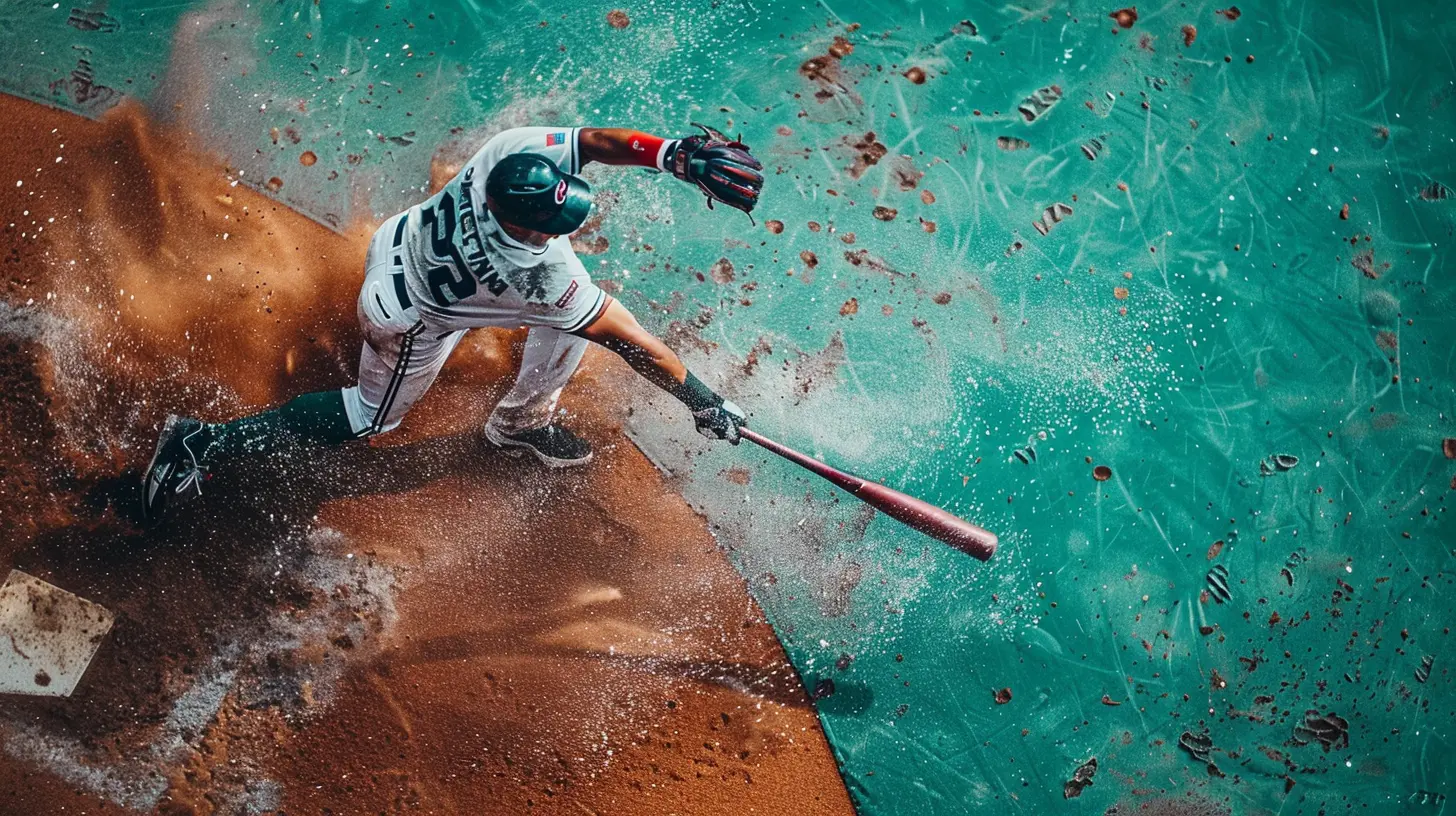
The Psychology of Pressure: Why Do High-Stakes Moments Feel So Different?
Ever felt like your heart’s about to slam through your chest before a big play? That’s normal. Pressure triggers our fight-or-flight response. It’s your brain trying to protect you from failure, embarrassment, or disappointment.But here’s the kicker — your brain can’t tell the difference between being chased by a lion and lining up a buzzer-beater. That’s why your hands get clammy, your breath shortens, and your thoughts race. It’s not because you’re not ready — it’s biology.
Understanding this is step one: pressure isn’t the enemy; it’s your body telling you the moment matters. Now, the question is — how do you harness that?
Strategy #1: Train Like It’s the Real Thing
Practice under pressure to perform under pressure. Sounds obvious, right? But too many athletes cruise through training and expect to just “flip the switch” come game time.The best in the world — from Kobe Bryant to Serena Williams — simulate pressure in practice. They shoot free throws tired, with distractions, with consequences. Why? Because they know nerves don’t improve your skill — they test it.
Try this: Next time you practice, add stakes. Count down your shots like it’s the final seconds. Compete in challenge drills. Make it hurt to lose. Your brain starts learning that stress is part of the game — not something to fear.
Strategy #2: Control the Controllables
You can’t control the crowd. You can’t control the ref. You can’t control your teammates. What you can control is your mindset, your breath, and your routine.Pressure feels overwhelming because we focus too much on everything outside of us. When you narrow your focus to what’s in your control, things get simpler.
Develop a pre-performance routine. Most elite athletes have one. It might be a deep breath, a bounce of the ball, a keyword like “focus” or “breathe.” This isn’t superstition — it’s science. Routines give your brain something familiar to ground itself in chaos.
Strategy #3: Visualize Success — Over and Over Again
Think visualization is just something motivational speakers talk about? Think again. There’s real science here.When you vividly imagine yourself succeeding — whether it’s sinking a putt or slamming a volleyball spike — your brain fires the same neural pathways as if you’re actually doing it. Muscle memory isn’t just about reps; it’s about mental reps too.
Before big games, take 5 minutes to close your eyes and run through your performance. Picture the crowd, the sound, the pressure — then see yourself calmly doing what you do best. Repetition builds confidence.
Strategy #4: Reframe Pressure as a Privilege
Here’s a truth bomb: pressure only exists where there’s opportunity. You feel nervous because what you’re doing matters — and that’s a good thing.Instead of saying, “I can’t mess this up,” flip the script to “I’ve earned this moment.” A lot of athletes would kill to be in your shoes. So why treat pressure like a curse?
Confidence starts with how you talk to yourself. Positive self-talk might sound cheesy, but in the heat of a moment, your inner voice can make or break your execution.
Strategy #5: Stay Present — One Play at a Time
Pressure loves time travel. It drags you into the future (“what if I miss?”) or the past (“I blew it last time”). The key is to stay in the now.Focus on the next action — not the scoreboard, not the fans, not the last mistake. Just the next pass, next shot, next movement.
Athletes call this “flow state” — that zone where time melts away, and everything clicks. You can’t force it, but staying present helps build it.
Quick tool: When you feel yourself spiraling, take one deep breath, and ask, “What’s my job right now?” It brings you back to the moment.
Strategy #6: Embrace the Fear — Don’t Fight It
It’s okay to be nervous. It’s okay to feel the weight. The trick isn't to pretend you're fearless — it’s to compete anyway.Instead of resisting fear, acknowledge it, and then act. Pressure is just adrenaline in disguise. Channel it. Use it. Don't freeze — fire.
Muhammad Ali once said, “I hated every minute of training, but I said, ‘Don’t quit. Suffer now, and live the rest of your life a champion.’” Even legends had doubt — they just didn’t let it win.
Strategy #7: Normalize the Big Moments
Want to make the big moments feel smaller? Make them familiar.This is where experience comes in clutch. But even if you haven’t been in many high-stakes situations, you can still build mental reps.
- Watch film of pressure moments.
- Talk to older teammates about how they dealt with crunch time.
- Mentally rehearse how you’ll feel and what you’ll do.
The more you expose yourself — even mentally — the less intimidating it becomes.
Strategy #8: Build Clutch Confidence Through Small Wins
Confidence isn’t something you just “have” — it’s built. One moment, one decision, one success at a time.Celebrate the small wins: the tough practice you showed up for tired, the extra reps you took, the time you didn’t let nerves control you. Stack those bricks.
Soon enough, when the pressure hits, you won’t fold — you’ll flash back to all the times you proved to yourself that you can handle it.
Pro Athletes Who Mastered the Moment
Let’s not forget — the greatest athletes didn’t start off as clutch performers. They trained for it.- Michael Jordan missed more than 9,000 shots in his career, but his game-winners are legendary. Why? He wasn’t afraid to fail.
- Tom Brady is the poster boy for late-game execution — not because he’s lucky, but because he’s obsessed with preparation.
- Naomi Osaka battles incredible anxiety — yet delivers under the spotlight. She leans on routines, visual cues, and self-talk.
The difference between those who crumble and those who conquer? Mindset. Every time.
Final Words: Pressure Is a Privilege — Own It
High-pressure moments aren’t going away. Whether you’re an elite athlete or grinding in your local league, pressure shows up when it matters most.And that’s a good thing.
Pressure means you’re playing for something. It means you care. It means your moment is here.
So don’t run from it. Prepare for it. Face it head-on. Breathe, focus, and trust the work.
Remember, legends aren’t born in blowouts — they’re made in the clutch.
all images in this post were generated using AI tools
Category:
ScoringAuthor:

Preston Wilkins