Maximizing Your Scoring Potential in Fast-Paced Games
23 May 2026
Let’s face it—fast-paced games are a rush. Whether you’re sprinting down a basketball court, weaving through defenders on a soccer pitch, or trying to hit that game-winning three-pointer under pressure, the adrenaline is sky-high. But in all that chaos, how do you actually score? Not just once, but consistently?
That’s where this guide comes in. If you've ever felt like you’re just milliseconds away from dominating, but something’s missing—timing, positioning, control, whatever—then keep reading. We're going to break down the art of maximizing your scoring potential when the clock is ticking, the pace is relentless, and your opponents are giving it everything they’ve got.
Why Scoring in Fast-Paced Games Isn't Just About Speed
Sure, speed helps—no doubt. But speed without strategy? That’s just running. Real scoring power in high-tempo games comes when agility, awareness, and decision-making all click together like clockwork.Think of it like driving a race car: it’s not just about the horsepower (your speed), it’s about how well you handle the turns, shift gears, and read the track ahead (your game IQ).
When the game's moving fast, your brain needs to move faster.
1. Understand the Flow of the Game
Read the Room (or Court, or Field…)
Every game has a certain rhythm. In fast-paced formats like basketball, futsal, or hockey, that rhythm changes constantly. Part of being a high scorer means knowing when the tempo shifts.Ask yourself:
- Are we in transition?
- Is this a moment to slow down and reset?
- Who has the momentum right now?
The players who score the most aren’t always the fastest—they’re the ones with the best read on the situation. They sense the flow and place themselves right where the action’s about to light up.
Pro Tip: Watch your teammates and opponents like a hawk. Body language says a lot about what’s coming next.
2. Master Positioning: Be Where the Magic Happens
You can’t score if you’re five feet behind the play. Positioning is everything.Instead of chasing the ball or puck, train yourself to anticipate where the play is headed. Trust me, the best scorers spend more time waiting in the right spot than they do running after the game.
Offensive Sweet Spots:
- In basketball: The elbow or corner three areas are gold mines.- In soccer or futsal: The edge of the box, or between the defensive lines.
- In hockey: The slot or near the crease, ready for a rebound.
You’ve got to learn your sport's "money zones"—the scoring hotspots. Hang out there too long? You’re a statue. Time it right? You’re unstoppable.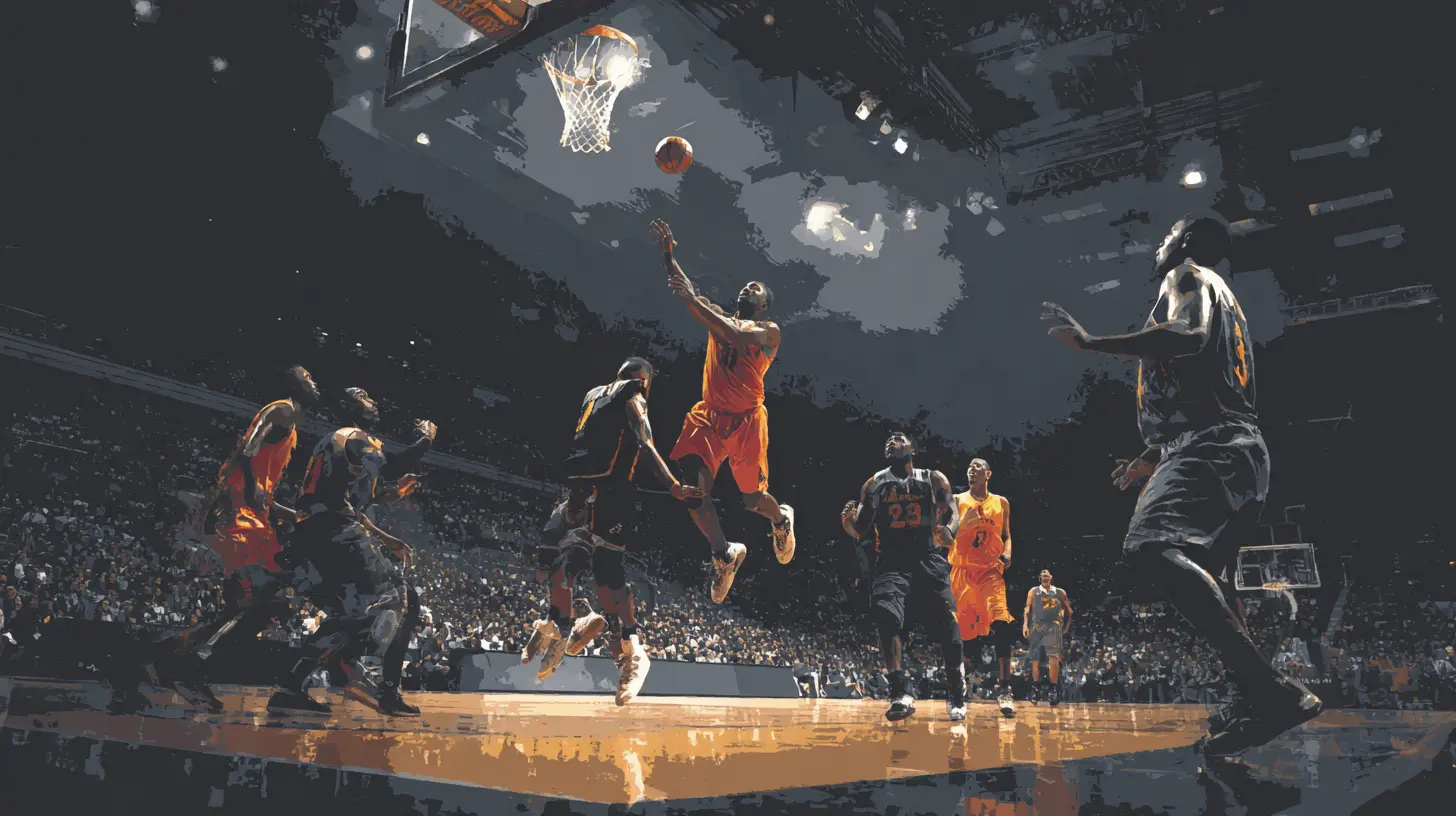
3. Sharpen Your Decision-Making Under Pressure
When everything’s moving at breakneck speed, you don’t have the luxury of thinking too long. Split-second decisions make all the difference.The key here is pre-programming your reactions. That means:
- Knowing your passing options before you receive the ball.
- Prepping your shot angle in your head before you even touch it.
- Recognizing defensive gaps without second-guessing.
Drill It Down:
- Try small-sided games (like 3-on-3s or 5-on-5s)—they force faster decisions.- Watch film of elite scorers. Pause, ask yourself what you'd do, then hit play and compare.
- Practice chaotic drills—add pressure, limit time, and increase your comfort in the chaos.
Your brain needs reps just like your body does. The more you put yourself in tough spots, the better you get at navigating them.
4. Work Smarter, Not Just Harder: Use Explosive Movement
Jogging back and forth isn't going to cut it. Speed isn't about always being in motion—it’s about acceleration and change of pace.The Secret Weapon? Stop-and-Go Bursts.
You know that moment when a player suddenly changes speed and leaves the defender in the dust? That’s what you need.- Basketball: Jab step, then explode to the basket.
- Soccer/Futsal: Slow dribble, then speed burst past the fullback.
- Hockey: Fake a pass, pivot, and charge the net.
Train your legs to move explosively—think jump squats, sprint intervals, and agility ladder drills. But more importantly, train your brain to know when to explode.
5. Improve Communication with Teammates
Scoring in team sports isn’t a solo project. You need chemistry, timing, and a whole lot of trust.Why does communication matter in fast-paced games?
Because in the chaos, verbal and non-verbal cues can be the difference between a goal and a turnover.
Simple stuff like:
- Calling for a pass.
- Signaling where you want the ball.
- Making eye contact before a give-and-go.
When the game is flying and time’s thin, sharpening your communication can give you that extra second and inch you need to score.
6. Mental Toughness: The Invisible Game-Changer
Here’s the raw truth: You could have all the talent in the world, but if your head’s not in the game, you’re toast.Stay Cool. Stay Focused.
It’s easy to get rattled when you miss a shot or your team is down. But the best scorers? They’ve got short memories. They miss, reset, and come back even more dangerous.So what’s the technique?
- Visualization: Picture yourself scoring before the game. Embed it in your mind like it’s already happened.
- Positive Self-talk: Sounds cheesy, but telling yourself “I got this” actually works.
- Breathing: When you feel the chaos closing in, take a breath. Reset your body and your mind.
Fast games can knock you off balance. Mental toughness keeps you in the fight.
7. Study the Greats: Emulate, Adapt, Evolve
You don’t need to reinvent the wheel. Some of the greatest scorers in history have already shown us the blueprint.- Stephen Curry (NBA): Moves constantly without the ball and relies heavily on smart positioning.
- Lionel Messi (Soccer): Small in stature, but master of timing and close control in tight spaces.
- Connor McDavid (Hockey): Blends top speed with incredible puck control and decision-making.
What To Do With Their Highlights:
- Watch with intent, not just amazement.- Pause, rewind, analyze. What did they see? Where were they positioned? How did they finish?
Then, take those lessons and make them your own. Don’t copy—adapt.
8. Fitness and Conditioning - The Stuff Behind the Scenes
You can’t score if you’re gassed after the first five minutes.Fast-paced games demand serious energy systems. You need to be able to sprint, stop, jump, sprint again, and still have gas in the tank to shoot or pass accurately.
Focus On:
- Interval Training: Mimics game tempo better than long-distance running.- Core Strength: Helps with balance, sudden movement, and shot power.
- Recovery: Sleep, hydration, and stretching so you can go hard again tomorrow.
A fit player is an efficient player—and high efficiency means higher scoring chances.
Final Thoughts: Scoring Is a Mindset
If you want to become a consistent threat in quick games, it's not just about physical skill—it's about attitude.You have to want the ball. You have to see the nets even before the ball touches your foot, stick, or hands. You have to think one step faster than everyone else on the court or field.
High scorers aren’t lucky. They’re students of the game. They prepare more, read the play better, and never stop refining their tools.
So the next time you're in the heat of the action, remember: it's not about reacting to the pace—it's about owning it.
Quick Recap: Your Fast-Paced Scoring Blueprint
- Understand the game’s rhythm.- Nail your positioning.
- Become a decision-making ninja.
- Explode with purpose, not just speed.
- Talk it out with teammates.
- Build mental resilience.
- Learn from the legends.
- Train like a beast behind the scenes.
You do all that, and scoring won’t feel lucky anymore—it’ll feel inevitable.
all images in this post were generated using AI tools
Category:
ScoringAuthor:

Preston Wilkins
Discussion
rate this article
1 comments
Mallory Whitley
This article nails the essentials for scoring in fast-paced games. The tips on positioning and quick decision-making are spot on. I especially appreciate the focus on teamwork-great players know how to blend their skills with others. This is a must-read for anyone looking to sharpen their game.
May 26, 2026 at 3:05 AM
Preston Wilkins
Thanks for the feedback! I'm glad you found the tips helpful. Teamwork really does make a difference in those fast-paced moments.