Maximizing Your Gains with Progressive Overload
14 February 2026
So, you're hitting the gym, grinding every week, and you're thinking, “Why am I not getting stronger or looking more jacked?” You’re not alone. Many lifters, both newbies and long-timers, hit that frustrating plateau. You know what might be missing? Two magical words: Progressive Overload.
Now hold up—don’t let the term scare you off. It's not some complicated bro-science or elite-only fitness hack. It’s actually one of the most natural and effective ways to build serious strength and muscle, and yes, it works for pretty much everyone. Whether you're lifting dumbbells in your garage, squatting in a powerlifting gym, or just starting out with bodyweight exercises, progressive overload is your golden ticket.
Let’s crack this mystery wide open.
What Is Progressive Overload, Really?
At its core, progressive overload is the principle of steadily pushing your body to handle more than it’s used to. It’s like turning the difficulty knob up, just a little, week by week. The goal? Keep challenging your muscles so they keep adapting and growing.Think of your body like a video game character. Every time you increase the challenge, your character levels up. But if the game stays the same, you stop improving. That’s your body on autopilot—comfortable, but stagnant. Progressive overload is that next-level monster you throw in to force growth.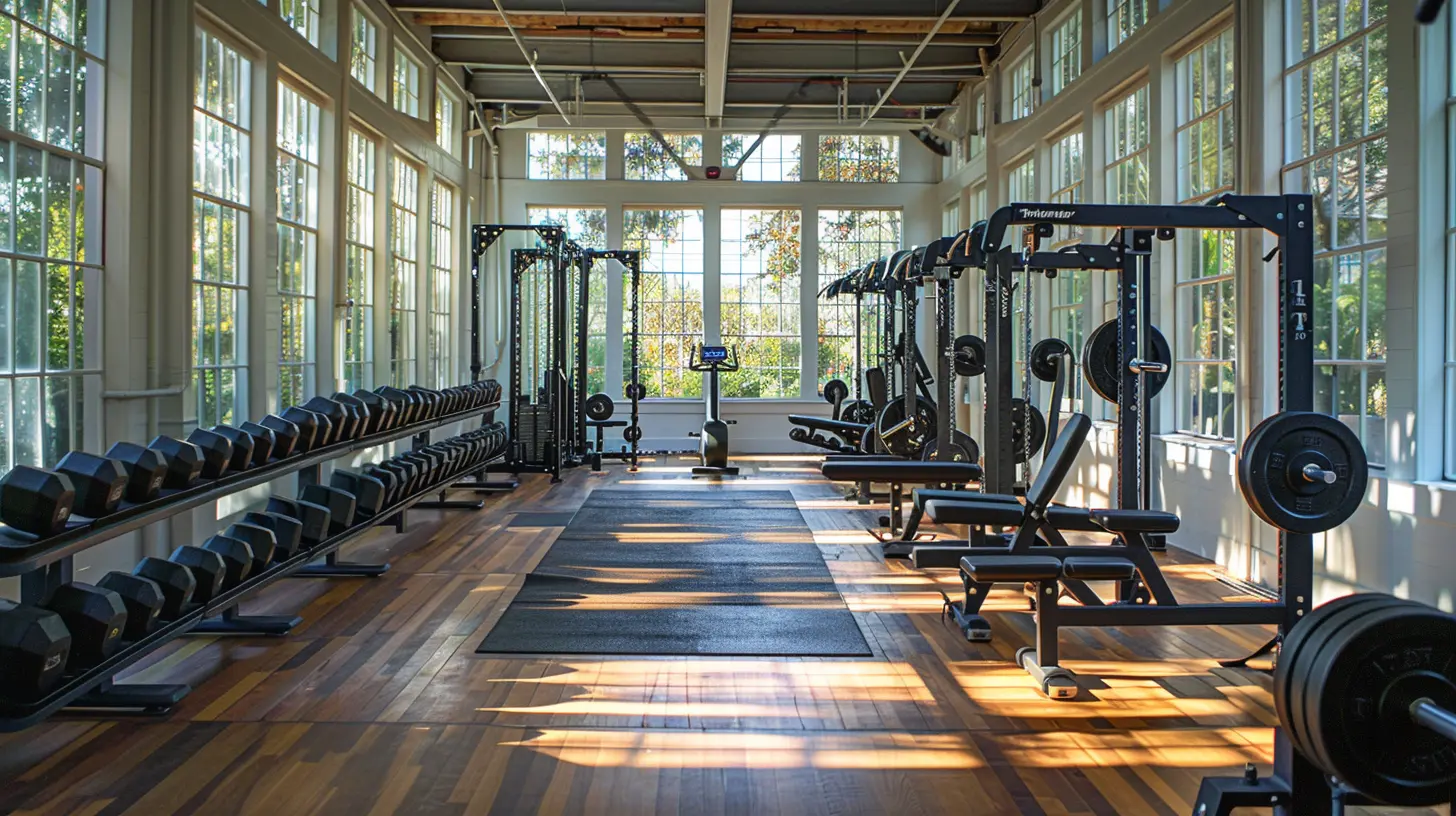
Why Progressive Overload Is the Secret Sauce to Gains
Here’s the thing: your body is smart. Too smart, actually. It adapts to workloads way faster than most people realize. So if you’re still curling those same 20-pound dumbbells you started with six months ago, your muscles have zero reason to grow. No stress, no progress.Progressive overload tells your muscles:
“Hey, we’ve got a new challenge! Better upgrade, fast!”
And what happens next? BOOM—muscle growth, strength increases, better endurance, improved aesthetics, and a massive boost in confidence.
Still skeptical? Let’s look at the science.
What Happens to Your Muscles Under Progressive Overload?
When you apply more tension to your muscles than they’re used to, micro-tears occur in the muscle fibers. That sounds bad, but it’s actually a good thing. These tiny tears heal and come back stronger and thicker—that’s muscle growth in action.But that’s not all. You also improve:
- Neuromuscular adaptation: Your brain and muscles work together more efficiently.
- Bone density: Heavier loads mean stronger bones.
- Metabolism: More muscle equals a higher resting calorie burn.
It's like working smart and hard—especially when you're training intentionally instead of randomly lifting stuff.
The Many Faces of Progressive Overload
Now here’s where it gets juicy. A lot of folks think you only overload by adding more weight. That’s just one way. Truth is, there are multiple dimensions to progressive overload. Let’s break 'em down:🏋️♂️ 1. Increase the Weight
This one’s the classic: lift heavier. Upping the weight taxes your muscles with more resistance.- Week 1: Bench press 135 lbs
- Week 2: Bench press 140 lbs
- Week 3: Bench press 145 lbs
Simple but effective.
⏱ 2. Increase Time Under Tension
You’re not just moving weight—you’re controlling it. Slow down your reps, and suddenly that lightweight feels insanely challenging.Try this:
- 3 seconds down
- 1-second pause
- 1 second up
🔁 3. Add More Reps or Sets
Don't feel ready to increase weight? Add more volume. If you did 3 sets of 8 last week, go for 3 sets of 10 this week.🧠 4. Improve Form and Range of Motion
You might be half-squatting now. But when you go deeper with perfect form? That’s overload right there.📉 5. Reduce Rest Time
Shorten your rest between sets to keep your body under stress longer. Your muscles will have less time to recover, making it more intense.The Plateau Problem (And How to Smash Through It)
Ever felt like you’re just stuck? No strength gains, no visible progress… just frustration. It could be that your workouts have stopped progressing. That’s where progressive overload saves your soul.Think about it like climbing stairs: if you keep stepping on the same stair, you’re not going anywhere. Change the step. Go higher. Even baby steps count.
The beauty of progressive overload is that it destroys plateaus. It keeps your training dynamic, responsive, and customizable. Whether you're bulking, cutting, or maintaining, it’s the one principle you should never skip.
Programming Progressive Overload: How to Do It Right
Alright, theory is cool, but you came here for the how-to, right? Let’s map it out.Step 1: Pick Your Goal
Are you chasing raw strength? Lean muscle? Athletic performance? Your goal defines your path.- Strength? Focus on lower reps with heavier weights.
- Muscle size? Aim for hypertrophy—moderate weight, higher volume.
- Endurance? Lower weight, high reps.
Step 2: Track Everything
If you’re not tracking, you’re guessing. Use an app, a notebook, or even your phone’s Notes app. Log your:- Weights
- Reps
- Sets
- Rest times
- Perceived effort (on a 1–10 scale)
Step 3: Change One Variable at a Time
Don’t toss everything into the blender at once. Change one thing—maybe 5 more pounds, or 1 more rep. Stick with that until your body adapts again.Step 4: Use Deload Weeks
Yep, rest is part of the plan. Every 4–8 weeks, reduce the intensity for a week. It gives your body time to recover and come back even stronger.Progressive Overload and Bodyweight Training? You Bet.
Who says you need a gym? You can apply progressive overload using nothing but your own body.How?
- Go from knee push-ups → standard push-ups → diamond push-ups → archer push-ups → handstand push-ups
- Add reps
- Add time under tension
- Include pause reps
Your body is a tool—and with the right moves, you can build serious strength without ever touching a dumbbell.
Common Mistakes When Applying Progressive Overload
Even with the best intentions, a few missteps can sabotage your progress. Keep your gains safe by avoiding these traps:❌ 1. Ego Lifting
Don’t get caught up in numbers if your form goes out the window. You’re trying to grow, not break yourself.❌ 2. Overtraining
More isn't always better. If you’re constantly sore, fatigued, or burned out—you’re doing too much, too fast.❌ 3. Ignoring Recovery
Muscles grow when you REST. Hit your sleep, hydrate like a champ, and refuel with quality food.❌ 4. Lack of Consistency
Progressive overload only works if you’re consistent over time. It’s not a one-time trick—it’s a long game.Small Gains = Big Results
Here’s where it all comes together. Progressive overload isn’t about giant leaps—it’s about steady, small, consistent lifts in performance that stack up over time.Add 2.5 lbs to your lift every week for a year. That’s 130 pounds in a year.
Now tell me that’s not impressive.
Even on days you don’t feel 100%, a small step forward still counts. It’s like planting seeds—you won’t see results overnight, but with patience and persistence, you’ll grow one hell of a garden.
Embrace the Process
No shortcuts. No gimmicks. Just smart, intentional training that forces your body to keep adapting. And that’s the beauty of progressive overload. It’s not flashy, but it works like a charm.So next time you walk into the gym (or your living room for a home workout), ask yourself one simple question:
How am I going to challenge myself today?
Answer that, act on it, and the gains will follow.
Final Thoughts: It’s Not Just for Bodybuilders
Let’s bust a myth real quick—progressive overload isn’t just for bodybuilders chasing stage lights. It’s for anyone who wants to level up physically. That includes athletes, weekend warriors, busy parents, and even beginners.It’s a mindset. A challenge. A method that’s backed by science, embraced by lifters, and essential for real progress.
You don’t need to overhaul everything overnight. Just make a plan. Stick to it. Push a little more. Repeat.
Sounds simple? Because it is.
Now go forth—and overload.
all images in this post were generated using AI tools
Category:
Gym TrainingAuthor:

Preston Wilkins
Discussion
rate this article
2 comments
Kayla Scott
Unlock your true potential with progressive overload! Embrace the challenge of pushing your limits, transforming setbacks into comebacks. Every extra rep, every added weight is a step toward greatness. Commit to the grind, and watch as your strength, resilience, and confidence soar to new heights. Your journey starts now!
March 23, 2026 at 3:46 AM
Preston Wilkins
Thank you for the inspiring comment! Embracing progressive overload truly is key to unlocking our potential and achieving greatness. Let's keep pushing our limits together!
Elias McQuaid
Essential strategy for serious lifters!
February 18, 2026 at 5:42 AM
Preston Wilkins
Absolutely! Progressive overload is crucial for continued strength and muscle growth. Keep pushing your limits!