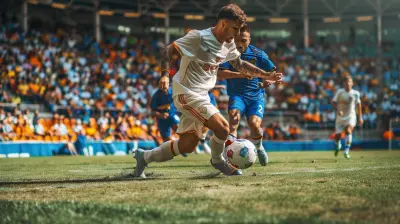
How to Use Angles and Space to Your Advantage in Scoring
1 June 2026
Alright, fellow sports junkie—let’s talk strategy. Not the boring chalkboard Xs and Os, but the sweet science behind every game-winning shot, goal, slam, or score. Whether you’re weaving through defenders in soccer, dropping dimes in basketball, or firing top-shelf wristers in hockey—there’s one thing separating decent players from legends: it’s how they use angles and space.
Yep. Geometry just did a slam dunk into the sports world. Let's break it down.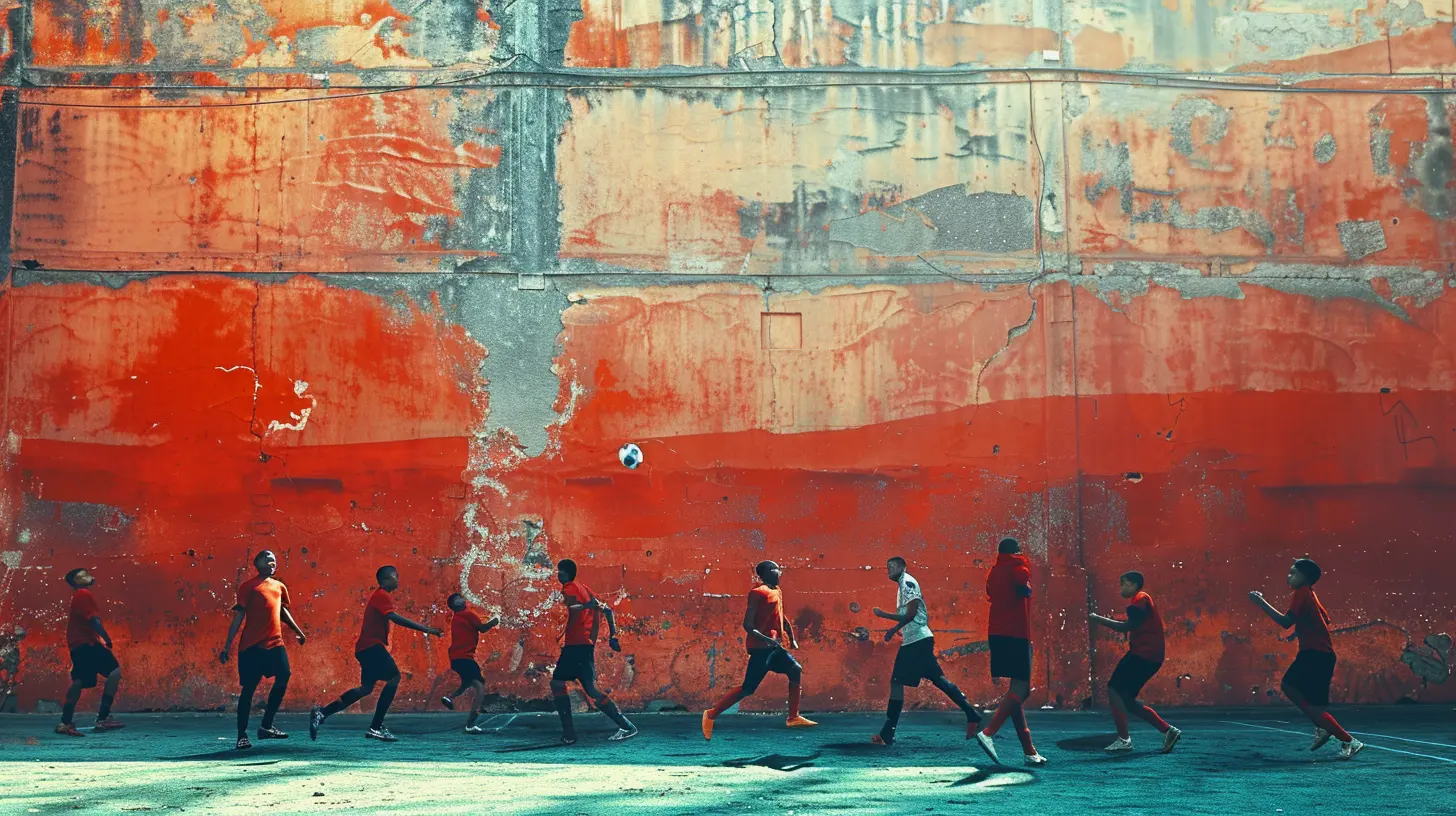
What Do We Mean by "Using Angles and Space"?
So first things first—when we talk "angles and space" in sports, we’re not starring in some NASA documentary. We’re talking about the tactical, kinda sneaky way to outsmart your opponent. It's about positioning yourself in places that give you the best possible chance to score, while making it painfully hard for defenders to do their jobs.Think about it like this: imagine you’re playing laser tag. You wouldn’t just stand in the open, would you? No! You’d peek around corners, sneak up behind walls, use the environment to cut off your opponent’s view. The same logic applies to sports—with a little less neon and a lot more footwork.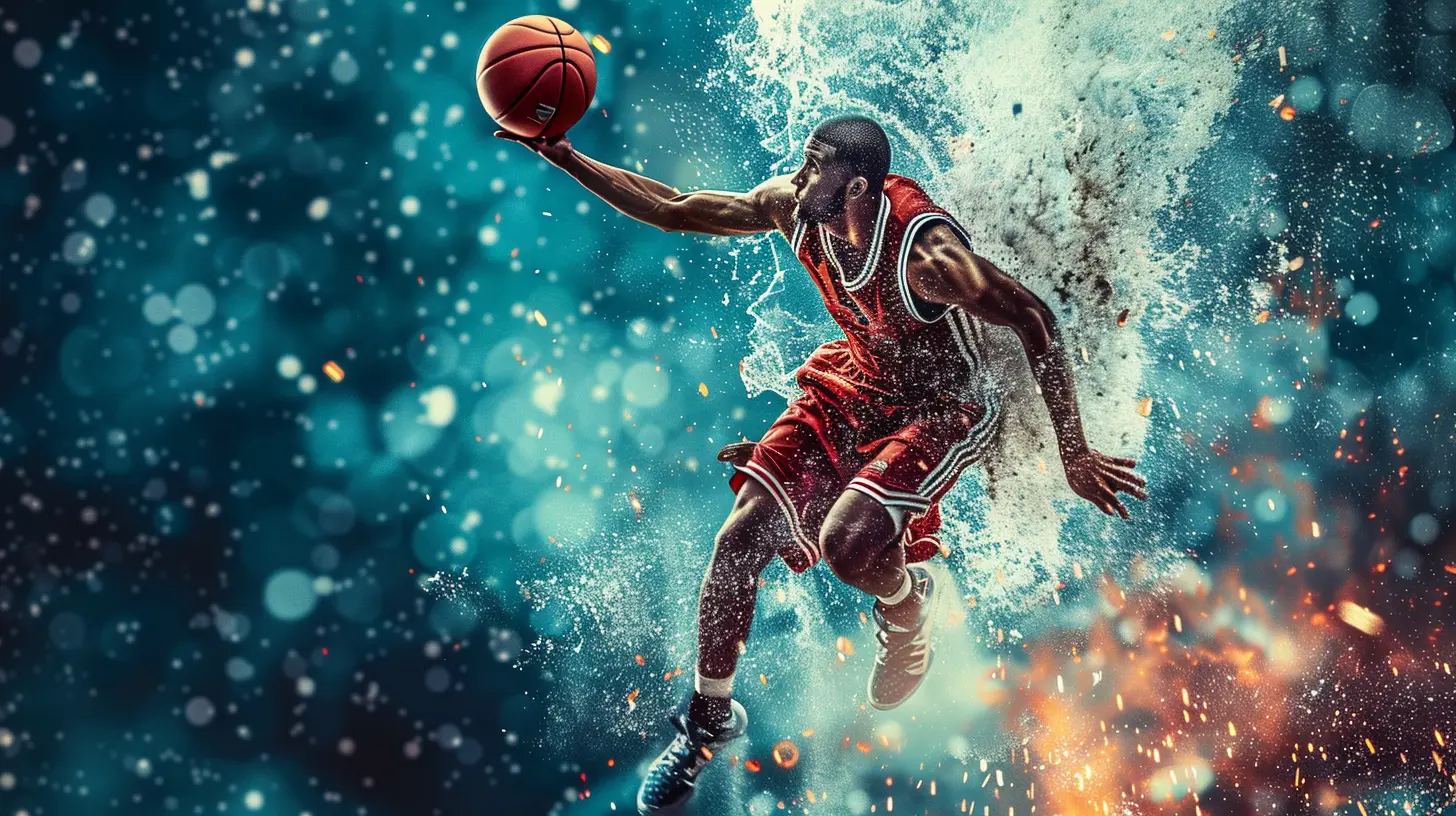
Why Angles Matter More Than You Think
Let’s play a little mental game. Picture your favorite athlete in action. Got 'em? Alright. Now freeze-frame the moment right before they score. Where are they? What’s their body position? Where’s the defender? What angle are they coming in from?Chances are, they didn’t charge straight ahead like a bull at a china shop. Nope—they approached from an angle, found a pocket of space, and BOOM! Game-changer.
Angles work for two key reasons:
1. They change the defender’s perspective.
When you come in at an angle, you mess with the defender’s ability to read your intentions. Are you going left? Right? Shooting? Passing? It’s a guessing game, and you’re holding the dice.
2. They open up more of the goal or scoring area.
Especially in sports like hockey and soccer, shooting from a better angle gives you more of the net to aim at. Straight on? The goalie’s got you. But shift a little? Suddenly, it’s top-shelf real estate.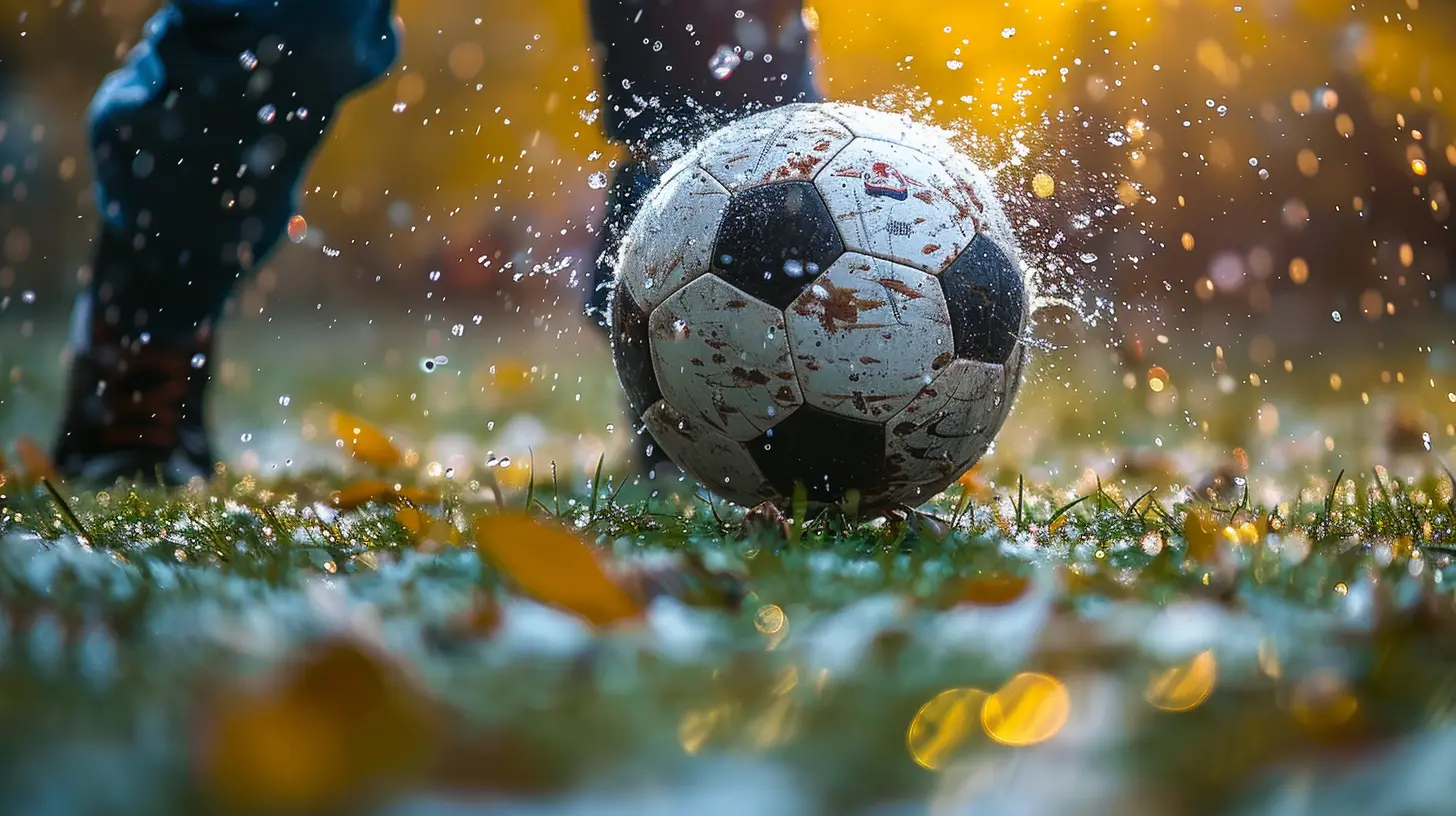
The Science of Space – It's Not Just "Run Into the Gap"
We hear coaches all the time yelling, “Use the space!” But using space isn’t just about sprinting into an open lane. It’s about:- Creating space: by dragging defenders away from one area to open up another.
- Occupying space: by standing in spots that force defenders to commit.
- Exploiting space: by recognizing when the defense is off-balance, and striking right there, right then.
It takes game sense. It takes vision. It takes guts. But let me tell you, when you nail it? It’s like finding Narnia in the back of your opponent’s defense.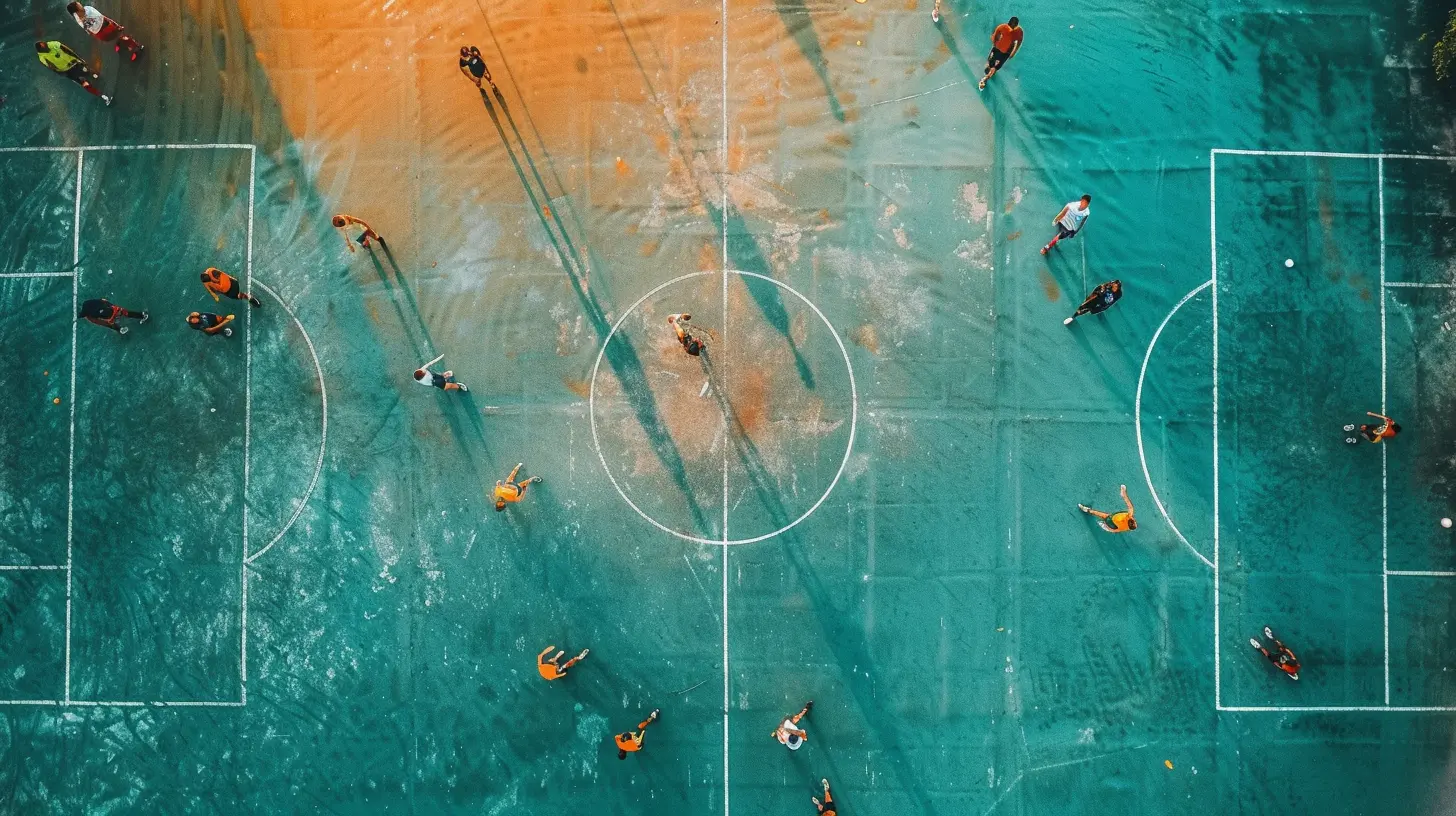
Using Angles in Basketball ?
Let’s start on the hardwood, where geometry is king. (Seriously, someone should give Pythagoras an MVP award.)1. The Pick and Roll – Masterpiece of Angles
In basketball, few plays are as nastily effective as the pick and roll. The ball handler uses a teammate’s screen, creating a new angle of attack. Either the defender fights over the screen and gives up space, or switches and (potentially) mismatches. It’s like pulling a rug out from under the defense.2. Driving the Baseline
Instead of charging straight down the key, why not slice in along the baseline? That sharp angle not only disorients defenders but also gives a better look at kick-outs or reverse layups. Picture a magician with options up each sleeve.3. Body Positioning in the Paint
Bigs—listen up. Your angle to the hoop when posting up means everything. Even a tiny adjustment can move you from brick city to bucket town. Use that shoulder to shield the ball and create just enough space to go up strong.Using Angles in Soccer ⚽
Soccer is basically a 90-minute chess match—if pawns could sprint and occasionally do bicycle kicks.1. Triangular Passing
Chance are, you’ve heard of "triangle football." It’s all about positioning your teammates so you always have passing options, and more importantly, pull defenders out of position. It's geometry in cleats.Why triangles? Because they create multiple angles and open up those sweet, sweet passing lanes.
2. The Blind Side Run
You know what's better than charging the middle? Sneaking in unnoticed. By running behind defenders at just the right angle (known as the blind side), attackers can break into open space and catch the back line snoozing.3. Angled Shots = More Goals
Instead of firing straight at the goalie like a cannonball in training mode, smart attackers shoot from angles. Why? Because it forces the keeper to adjust their feet, arms, and mental positioning. A fraction of a second's hesitation? That’s all you need.Using Angles in Hockey ?
Hockey is fast, furious, and full of angles that can make or break a shot.1. The Off-Angle Shot
Sounds backward, right? Why shoot from a tough angle like near the corner of the rink? Because even though it might not seem ideal, goalies often can't seal every tiny gap, especially near the post. Plus, even a deflection chance is gold on ice.2. Circling the Net – The Wraparound Threat
Skating behind the goalie might not sound like a scoring move, but the angle options are brutal to defend. You can shoot, pass, or keep circling until someone cracks. It’s like playing psychological warfare on skates.The Art of Spatial Awareness
Now, let’s chat about space. No, not the kind with planets—we’re still in the stadium. Here’s what separates meh players from maestros: spatial awareness.1. Know Where You Are (And Where Everyone Else Is)
Great players have a sixth sense. They know where teammates are without looking. They can feel pressure from behind before it’s even near. This doesn’t come from a wizard's spell—it’s practice, experience, and keeping your head on a swivel.2. Make the Field/Court Bigger
You know what defenders hate? When the ball moves quickly from one side to the other. Players who stretch the play, switch fields, or use the full width force defenders to shift constantly. Eventually, someone slips up. That’s your cue.Create Space Like a Pro
You don’t need to wait for space to magically appear. You can make it happen. Here’s how:1. Use Decoy Runs
Sometimes, your job isn’t to score. It’s to distract. Pulling a defender away opens a gap for a teammate. That’s unselfish genius.2. Quick One-Touch Passes
Defenders hate one-touch plays. They’re unpredictable and lightning fast. Use quick passes to break defensive shape and open pockets of gold.3. Movement Off the Ball
Standing still is a fast track to irrelevance. Move, cut, pivot, shift—keep defenders guessing.Gym Class Geometry Wasn’t Pointless After All
Here’s the wild part: everything your math teacher taught you about triangles, angles, and space? It all applies here. Only now, it could lead to a buzzer-beater or game-winning goal.Angles dictate how well you can shoot, pass, or defend. Space dictates how much time you have to do it. Master both, and you’re not just playing the game—you’re bending it to your will.
Real-World Examples of Great Angle & Space Usage
Still not convinced? Let’s name-drop a few sports legends who made angles their BFF:- Lionel Messi – Makes cutting in from the wing look like a physics class with goals as homework.
- Stephen Curry – Uses screens and impossibly quick angles to launch 3s from another zip code.
- Connor McDavid – Skates at angles that would make rollercoasters jealous.
- Tom Brady – Carved defenses with throws into spaces only he could see.
- Kobe Bryant – Mastered fadeaways at the most ridiculous, unguardable angles.
If the greats are doing it, maybe it’s worth digging into, huh?
Quick Tips to Start Using Angles and Space Like a Pro
Let’s wrap up with some bite-sized advice you can take to your next game:- ? Keep scanning the field/court/ice—eyes up always.
- ? Move without the ball, even if it doesn’t come your way.
- ? Use give-and-gos to create new angles.
- ? Be unpredictable. Change direction, change speed, mix it up.
- ?️ Communicate. Let teammates know where the space is.
- ? Focus on precision. The right angle’s only useful if you can exploit it.
Final Whistle: Geometry Just Scored a Hat-Trick
So, there you have it. Next time you’re about to pull off your signature move—or better yet, create a new one—ask yourself: What angle am I attacking from? Where’s the space? Because when you master those two, you stop reacting to the game and start running the show.Angles and space aren’t just abstract ideas—they’re the GPS guiding you to your next highlight reel moment. So go out there, think like a wizard, move like a ninja, and score like a pro.
Game on.
all images in this post were generated using AI tools
Category:
ScoringAuthor:
Preston Wilkins
Discussion
rate this article
1 comments
Thistle Wolfe
This article nails the importance of understanding angles and space in scoring. It reminds players that awareness can transform a good opportunity into a great one. Simple yet powerful advice.
June 3, 2026 at 10:41 AM
Preston Wilkins
Thanks for your feedback! I'm glad you found the insights valuable. Awareness really can make all the difference.