How the Latest Rule Changes Are Affecting Fantasy Sports Leagues
30 June 2026
Fantasy sports have always been a rollercoaster ride of strategy, luck, and late-night roster tweaks. But as real-world sports evolve, so do fantasy leagues. With leagues constantly tweaking rules—whether for player safety, game integrity, or just to shake things up—fantasy managers are left scrambling to adjust.
The latest rule changes in major sports leagues have sent ripples through fantasy football, basketball, baseball, and more. So, how exactly are these rule updates reshaping the fantasy landscape? Let’s break it down.
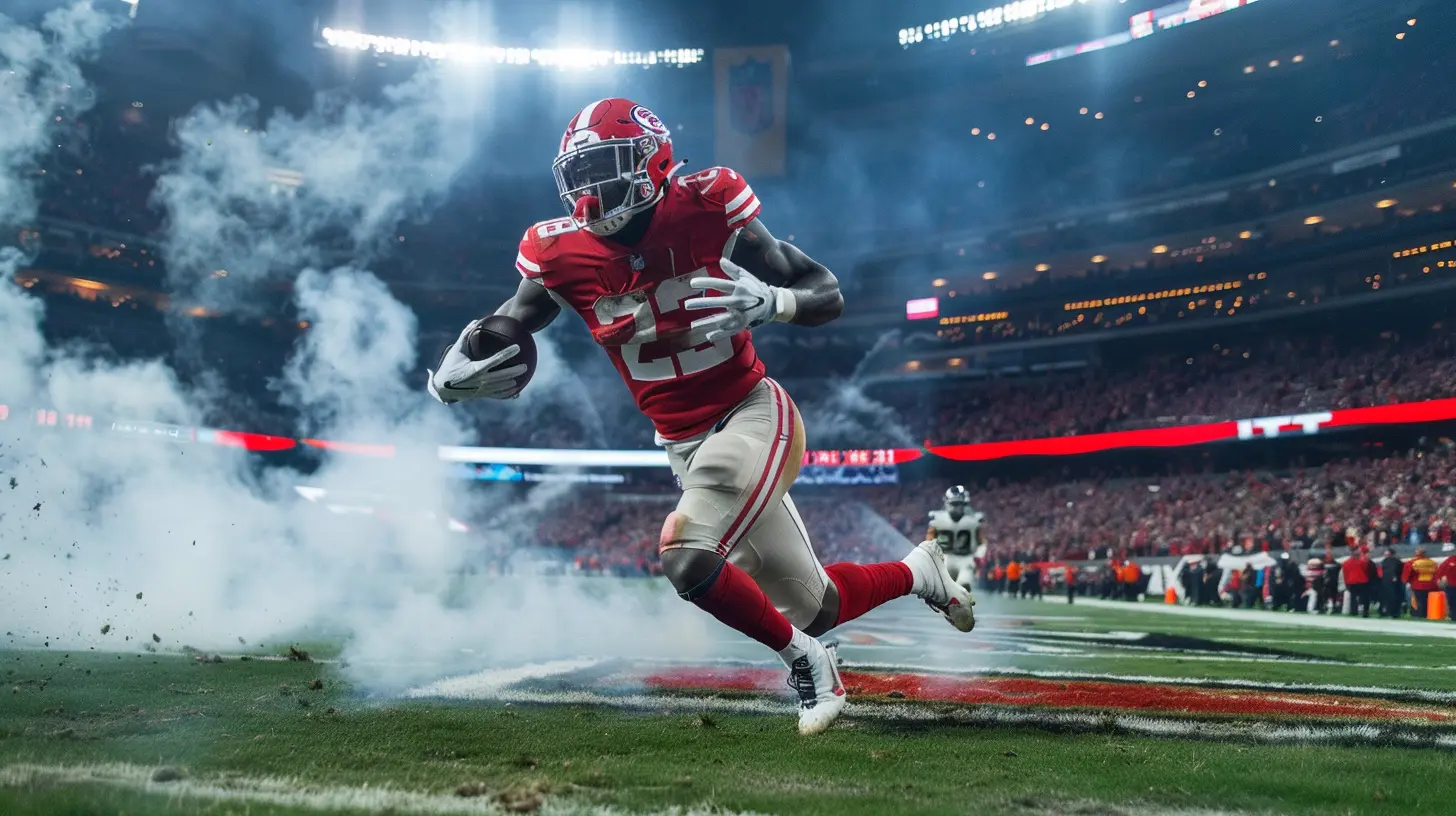
The Impact of Rule Changes on Fantasy Football
Fantasy football is arguably the most popular fantasy sport, and it’s always at the mercy of NFL rule modifications. Some of the biggest changes this season have forced managers to rethink strategies.1. Kickoff Rule Changes and Their Fantasy Fallout
The NFL’s new kickoff rules have been a game-changer for special teams. With adjustments that favor fair catches and touchbacks, kick return yards are becoming rarer. For fantasy football managers, this means:- Diminished value of return specialists – Players who relied on kick return yardage for fantasy points are now almost irrelevant.
- More emphasis on offensive yardage – If return yards don’t count as much, managers must target wide receivers and running backs who earn their points through traditional means—catches and carries.
- Kickers could be more valuable – With teams starting at predetermined yard lines more often, field goals might become a bigger factor. This could make kickers a sneaky valuable fantasy asset.
2. Defensive Holding and Pass Interference Adjustments
The NFL has been tweaking the definition of defensive holding and pass interference, making it harder for defenders to get away with physical play. This has led to:- More passing yards – Quarterbacks and receivers benefit as defenses get penalized more often.
- High-scoring fantasy games – More penalties mean more free yards and scoring opportunities, boosting wide receivers, QBs, and even tight ends.
If you’ve stacked your fantasy roster with passing-heavy offenses, you’re in luck!
3. Running Back Workload Dilemmas
With the NFL becoming more pass-heavy and committees dominating backfields, single workhorse running backs are rare. These rule-inspired shifts have led to:- Declining value of RB1s – Unless you have a top-tier workhorse, running backs in fantasy are becoming trickier to depend on.
- PPR leagues gaining even more popularity – Since running backs aren’t getting as many carries, fantasy players are leaning toward points-per-reception (PPR) formats to increase overall scoring potential.

Changes in Fantasy Basketball Due to League Rule Updates
Basketball is another sport that sees frequent rule changes, and these modifications always have a ripple effect in fantasy leagues.1. Stricter Load Management Rules
The NBA has cracked down on teams resting star players unnecessarily, especially during nationally televised games. Fantasy basketball managers are now seeing:- More reliable player availability – Finally, fewer surprises where a star player sits out at the last minute.
- Less need for deep roster stashes – Before, smart managers would keep backups for load-managed players. Now, that strategy may not be as necessary.
- Increased competition in daily fantasy (DFS) – DFS players relied on predicting rest nights, but with stars playing more, everyone has clearer picks.
2. Reduced Flopping and Free Throw Adjustments
The NBA’s efforts to reduce flopping and unnecessary foul calls have led to:- Fewer free throw-based points – Players who milked free throws for fantasy points (like James Harden in his prime) might not be as valuable.
- More emphasis on field goal efficiency – With flopping penalties, players must actually make their shots instead of relying on freebies.
This means fantasy managers should start valuing efficient scorers over foul-drawing specialists.
3. Play-In Tournament and Fantasy Implications
The NBA’s expanded play-in tournament has increased competitive games late in the season. This means:- Stars play longer into the season – Previously, teams would rest stars once their playoff seed was locked. Now, more teams compete till the end, and fantasy playoffs stay exciting.
- More risk in early-season fantasy trades – Managers who trade top talent too early might regret it, as late-season performers could be more valuable than ever.

Baseball’s New Rules and the Fantasy Baseball Shake-Up
Baseball has seen some of the most significant rule changes recently, particularly with pace-of-play adjustments.1. Pitch Clock and Fantasy Impact
The MLB introduced a pitch clock to speed up games, but it’s also changed fantasy baseball dynamics:- More fatigue for pitchers – With less time between pitches, some pitchers are struggling with endurance, leading to higher ERAs and WHIPs.
- Increased stolen bases – Faster pitching means defenders have less time to react, making stolen bases more common. This boosts the value of speedsters like Ronald Acuña Jr. and Trea Turner.
2. Shift Restrictions and Hitter Value
The infield shift has been restricted, which is fantastic news for certain hitters:- Left-handed batters improve – Players like Joey Gallo, who struggled against shifts, now have a clear advantage.
- More consistent batting averages – With defenses unable to stack one side of the field, hitters are finding more gaps.
If you’ve got a power-hitting lefty in your fantasy lineup, their value just went up!
3. Bigger Bases and More Steals
With MLB increasing base sizes, stolen bases are up across the league. Fantasy managers are capitalizing on:- Increased value of speedsters – Steals-heavy players are suddenly fantasy gold.
- More run production – Extra steals mean more runs scored, which means higher fantasy points across the board.

The Common Thread: Rule Changes Mean Quick Adjustments
No matter the sport, rule changes throw fantasy managers a curveball. The best players aren’t just the ones who draft well—they’re the ones who adapt quickly.What Should Fantasy Managers Do?
- Stay updated on rule changes – Know the latest updates before your fantasy league draft.- Adjust your draft strategy – A rule change might make a former mid-tier player a top pick.
- Target undervalued players – Savvy managers look for rule changes affecting player production and draft accordingly.
- Monitor trends early in the season – If a rule change dramatically impacts fantasy gameplay, be ready to grab the next breakout star off waivers.
Final Thoughts
Rule changes are unavoidable, but they don’t have to ruin your fantasy season. If anything, they make things more exciting! The managers who succeed are those who adapt, stay informed, and take advantage of shifts in player value.So, with the latest rule changes reshuffling the deck, are you ready to make bold moves in your fantasy league? If not, time to start strategizing—because your rivals are already adjusting.
all images in this post were generated using AI tools
Category:
New RulesAuthor:

Preston Wilkins
Discussion
rate this article
1 comments
Anisa Wolfe
The new rule changes add complexity to fantasy leagues, making strategy more important and keeping the competition fresh.
July 3, 2026 at 2:25 AM
Preston Wilkins
I agree, the changes definitely elevate the strategic aspect of fantasy leagues. It keeps everyone on their toes and enhances the overall experience.