How New Rules Are Impacting Ticket Sales and Fan Engagement
5 July 2026
Let’s face it—sports arenas used to be our escape. The smell of popcorn, the roar of the crowd, and the possibility of catching a foul ball (or dodging one) made attending live events electric. But in a post-2020 world, there’s been a plot twist. New rules—whether they’re about safety, pace of play, instant replay, ticketing systems, or even player behavior—are flipping the script on how fans experience the game.
Sure, some changes are for the better (we’re lookin’ at you, faster baseball games). Others? Let’s just say they’ve made eyebrows rise higher than a LeBron James dunk. So, what’s the real impact? Are new rules slashing ticket sales or turning fans into die-hard digital followers? Grab your jersey and let’s dive in.
The Rulebook Just Got a Makeover
Before we dig into the fan factor, let’s talk rules. Leagues across the board—from the MLB to the NFL to the NBA—are rolling out changes faster than a goalie blocks a penalty kick.Some examples?
- MLB introduced the pitch clock – Aimed to speed up the game, reduce drawn-out innings, and keep fans from checking their watch every 10 minutes.
- NBA’s load management rules – Star players can’t sit out games randomly anymore. Fans don’t want to pay premium prices just to see LeBron on the bench bingeing sunflower seeds.
- NFL’s expanded instant replay and roughing-the-passer definitions – Because nothing screams "exciting" like halting a touchdown celebration to watch five minutes of slo-mo footage.
Now the million-dollar question: Are these rule changes scoring points with the fans or fumbling the ball?
Let’s Talk Ticket Sales: Still Scoring or Starting to Slip?
You know what they say—"If you build it, they will come." But in 2024, it's more like, “If the game's too long, too confusing, or too regulated, they might just stream it instead.”⏱ Speeding Up the Game = Slowing Down the Decline?
Look, we all love sports—but nobody enjoys sitting through a 4-hour baseball game (unless you’re using it as background noise for a Sunday nap). That’s why MLB’s pitch clock rule has been somewhat of a hero. Games are shorter, snappier, and guess what? Ticket sales got a little boost. People are more likely to buy tickets if they know they won’t be stuck at the ballpark until midnight.Fun fact? In 2023, after the pitch clock debuted, several MLB teams reported increased attendance. Coincidence? Maybe. But it’s more likely that people appreciate a game that respects their time.
? Load Management? Or Load Mismanagement?
On the flip side, basketball fans aren't exactly thrilled when they pay big bucks to see Steph Curry, only to find out he’s sitting out "for rest."Cue the NBA’s Load Management rule. Now, star players have to play unless there’s a legit reason not to. This rule might just be the MVP of ticket sales. No one wants to drop $200 to watch the bench warmers sprint around. (No offense, bench warmers, you’re still heroes in our hearts.)
? The Rise (and Risk) of Digital Ticketing
Oh, and don’t even get me started on ticketing technology. Old-school printed tickets? Basically extinct. We’ve entered the era of mobile-only ticketing, variable pricing, and dynamic seat upgrades.While it's great for tech-savvy fans, Grandma Judy who just wants to see the Yankees might struggle with QR codes. Difficulty accessing tickets or understanding flexible prices is enough to make some folks stay home and Netflix a sports documentary instead.
Fan Engagement: Love It or Leave It?
Now here’s the spicy bit—fan engagement. Because selling the ticket is only half the battle. The other half? Keeping fans so obsessed they scream at the TV during commercials.New rules have twisted this dynamic too—for better and worse.
? Sports in the Swipe Era
Let’s be real—TikTok attention spans are real. That’s partly why leagues are adapting to keep fans hooked. Shorter games, quicker plays, fewer timeouts. It’s all about more action, less blah-blah-blah.This especially appeals to Gen Z, who can’t be bothered with a 3.5-hour football game unless it includes memes, drama, and a halftime show featuring Doja Cat.
In fact, the shorter the game, the higher the social shares. Fans are way more likely to post about a buzzer beater or a walk-off home run if they weren’t mentally exhausted by the seventh inning.
? Virtual Fandom: Couch > Courtside?
And let’s not overlook the rise of virtual engagement. Social media polls, fantasy leagues, VR experiences, and NFT ticket stubs (yes, that’s a thing now) are giving fans new ways to connect—without changing out of their pajamas.Some even argue this might hurt ticket sales. Why buy a $300 seat when you can watch six camera angles from your couch with the fridge 10 feet away?
But that doesn’t mean fan engagement is down—far from it. It’s just changing lanes. From IRL to URL, fans are still passionate. They’re just showing it differently.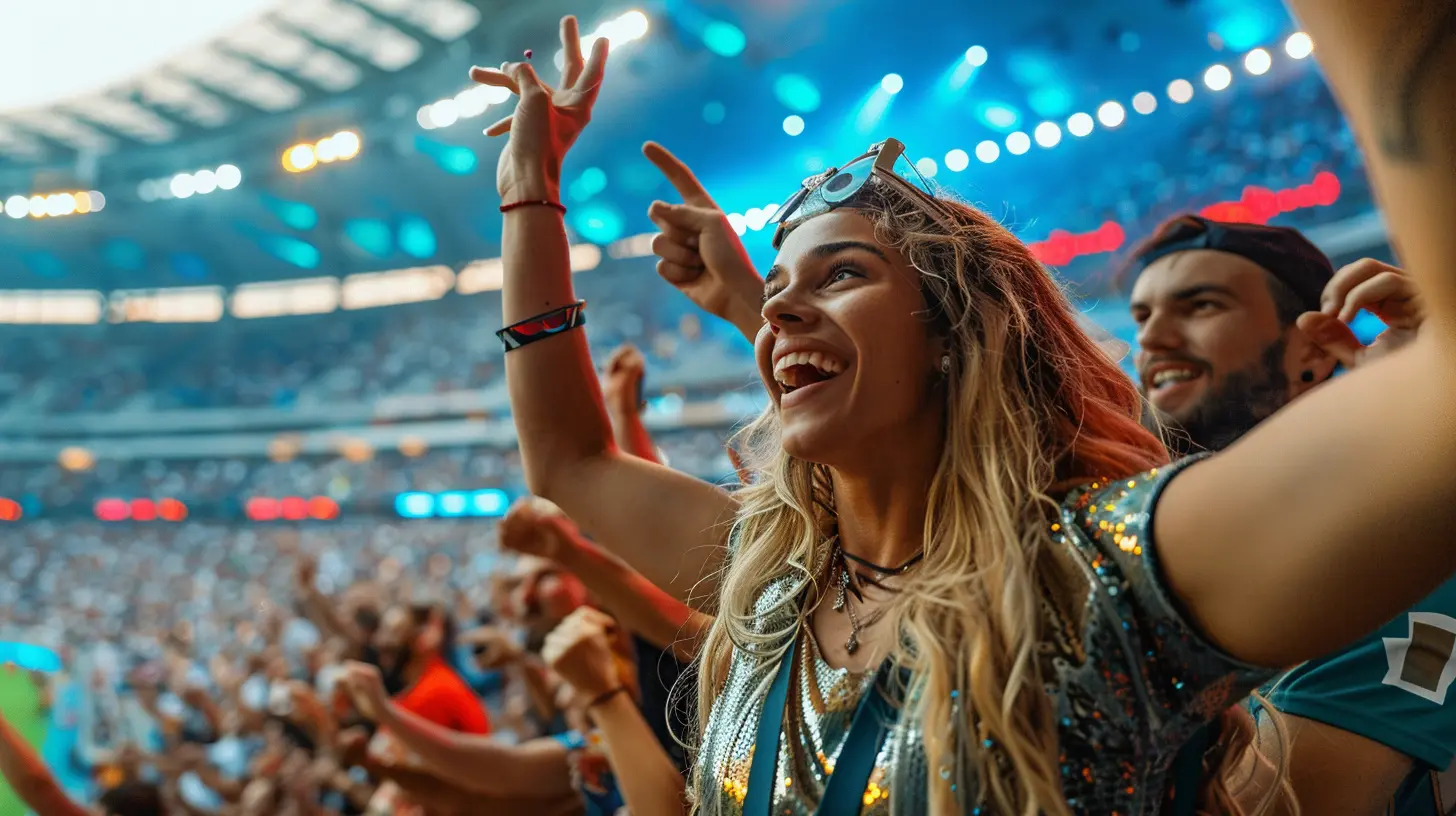
Fan Feedback: The Good, The Bad, and The Tweetstorms
You know what they say—Twitter fingers are faster than sprinters. Fans are not shy about voicing their opinions on new rules.? What Fans Love
- Faster games: More action = more fun.- Guaranteed star players: If they're healthy, they’re playing.
- Interactive experiences: Voting on MVPs, live trivia, and augmented reality? Yes, please.
? What They’re Meh About
- Overregulation: Too many rules can make the game feel artificial. Let the players play!- Inconsistent enforcement: One ref’s foul is another ref’s “play on.”
- Digital headaches: Not everyone is a tech wizard. Make it easy, please?
The Financial Playbook: Who’s Winning and Who’s Whiffing?
Let’s crunch some numbers—without putting you to sleep. The financial impact of these new rules is... complicated, to say the least.? Teams Benefiting from the Buzz
Teams that adapt fast, promote the new fan experience, and align with the changes are cashing in. By creating hype around faster games or interactive stadiums, they’re pulling in fans who otherwise might’ve stayed home.Plus, teams working with influencers and content creators are expanding their reach to fans who may not even live in the same time zone (or even the same country!).
? Teams Struggling with the Shift
Meanwhile, smaller-market teams with outdated stadiums or rigid traditions are lagging behind. These are the teams whose marketing sounds like a dad trying to use slang—well-intentioned, but awkward.The Future Fanbase: Will They Stay Loyal?
Now let’s gaze into our crystal ball—or maybe just our Apple Watch—and talk future trends.? Younger Fans, Newer Expectations
Gen Z isn’t just your average sports fan. They’re tech-savvy, social-media-obsessed, and hungry for authenticity. Rule changes need to feel organic, not forced. They don’t want a game that’s “algorithm-approved.” They want hype, vibes, and a good reason to care.Making sports more accessible, inclusive, and entertaining is key. And if leagues want to keep them coming, they better keep innovating—even if it means more updates to the rulebook than a group chat after midnight.
What Teams & Leagues Should Be Doing Right Now
Alright, time for a quick play-by-play for the decision-makers out there. If you’re on a mission to boost ticket sales and fan engagement in this rule-revised world, here’s the strategy:1. Balance tradition with innovation – Don’t ditch the soul of the sport, but embrace the tech and trends that keep it fresh.
2. Prioritize the fan experience – From faster games to better food to easier parking. Make game day feel less like a chore and more like a party.
3. Make stars accessible – Whether through postgame interviews, social takeovers, or halftime mic-ups, let fans connect with their heroes.
4. Rethink pricing models – Dynamic pricing is cool, but don’t price out the average Joe or Jane who just wants to take their kid to a game.
5. Double down on digital – Apps, AR, VR, exclusive online content. If you build it (right), they will log in.
TL;DR – Are New Rules Helping or Hurting?
In the end, it's a mixed bag. Some rules are clear winners (hello, pitch clock). Others feel like overkill. But one thing’s clear: Sports as we know them are evolving, and fans are riding shotgun on the journey.Ticket sales are shifting—but not vanishing. Fan engagement is transforming—but not dying. Think of it as the sports industry growing up, figuring itself out, and maybe changing outfits a few times along the way.
So whether you’re cheering from the bleachers or live-tweeting from your couch, know this—sports are still here to fire us up, let us down, and make us believe again. And we wouldn’t have it any other way.
all images in this post were generated using AI tools
Category:
New RulesAuthor:

Preston Wilkins
Discussion
rate this article
1 comments
Quillan Roberson
Exciting changes ahead! These new rules could really boost ticket sales and make every game a fun experience for fans... Let's cheer!
July 17, 2026 at 2:19 AM
Preston Wilkins
Absolutely! These changes have the potential to enhance the fan experience and drive ticket sales. Exciting times ahead!