How New Rules Are Changing the Psychology of Athletes
20 June 2026
If you’ve been following any sport closely, you’ve probably noticed something is up. It’s not just the scoring, the pace, or the intensity. It's how athletes are thinking, reacting, even behaving under pressure. That’s right—new rules across various sports are doing more than tweaking gameplay—they’re reshaping the entire mental landscape of competition.
This shift is more than tactical. It’s psychological.
Let’s dive into how modern rule changes are messing with (and sometimes improving) athletes' minds. Trust me, it’s not just about penalties and play clocks—it’s about mindset, adaptability, and mental grit.
The Rulebook Isn’t Just for Refs Anymore
Once upon a time, rule changes were tweaks—small things that fans might not even notice. But now? They're sweeping. Think of them like plot twists in a thriller. One moment you know the flow of the game, and the next, boom—the whole strategy needs to change.And athletes? They're the main characters caught in the chaos.
Quick Example: The NBA and the Take Foul Rule
Let’s look at basketball. The NBA recently cracked down on the "take foul"—a strategic move where a defender stops a fast break by intentionally fouling.Seems small, right? But here’s the twist: now that it's heavily penalized, players have to think twice. Do they risk the fast break, or gamble on defense? It’s not just a physical play—it's a psychological one. It demands smarter, faster decisions.
That’s happening in all sports. And guess what? It’s changing everything about how athletes approach the game.
Mental Adaptability Is the New MVP Trait
If you thought being strong and fast made you an elite athlete, think again. The best athletes today are flexible thinkers. They're not just reacting—they're recalibrating in real-time.Why This Matters
Let’s imagine you’re trained for years with one set of rules. You’ve built your habits, responses, and routines. Suddenly, the rules shift. That play you mastered? It’s illegal now. Your "go-to move"? Doesn't work anymore.What do you do?
If you’re mentally adaptable, you pivot. If not... you stall.
In sports psychology, this is connected to cognitive flexibility—the brain’s ability to switch between thinking about different concepts or to think about multiple things at the same time. It sounds like multitasking—and it kind of is—but it’s more about strategic mental switching.
Modern athletes need to be chess players, not just sprinters. That’s the bottom line.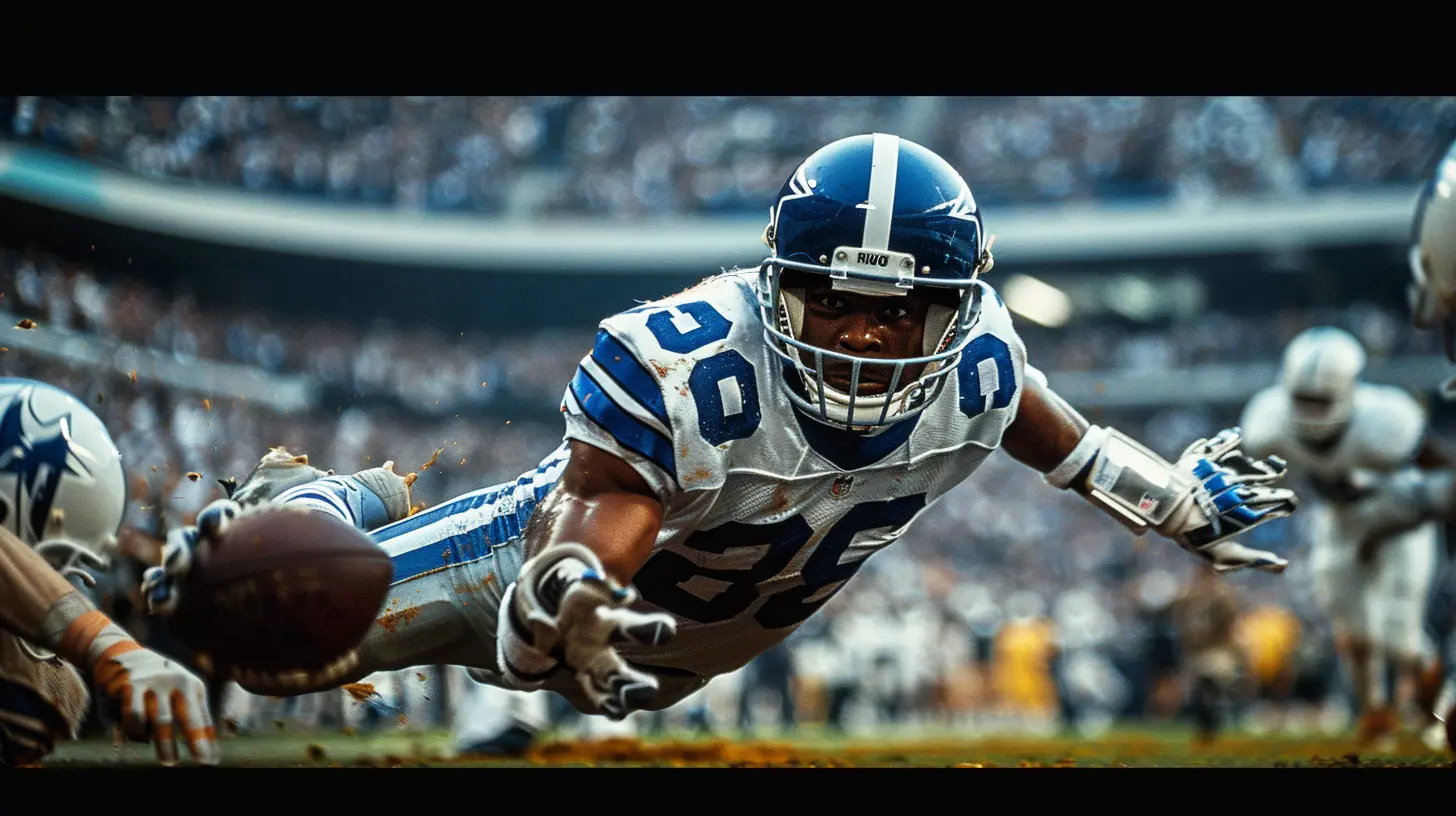
Pressure Just Got a Makeover
Let’s talk pressure. It used to be about the big game, the loud crowd, the final seconds. Now, pressure arrives in different forms—unexpected reviews, quicker play clocks, and harsher penalties.Example: Tennis and the Serve Clock
The serve clock in tennis was meant to speed up the game, but it did something else too—it amped up the mental pressure. Players now have less time between points to recover, strategize, or even calm down.That affects more than pacing. It affects breathing, focus, and composure. Athletes are being asked to regulate their emotions at lightning speed. And not everyone can keep up.
The result? Some rise. Others crack.
Rule Changes as Mental Disruptors
Here’s a fun way to look at it: rule changes are like system updates for your brain. At first, they make things glitchy. Your "apps"—aka your mental habits and instinctive moves—start to lag or crash.Athletes are essentially forced to uninstall old thinking and download a new mental system. And guess what? That’s hard.
Emotional Regulation
With changes come frustration. Athletes are wired for routines. When those routines are broken—especially mid-career—it can trigger anxiety, irritability, or even depression.So mental health support is more important than ever.
Sports psychologists are now part of the regular team staff in most franchises. Why? Because mastering the new rules isn’t just physical—it’s emotional. Managing feelings about fairness, identity, and performance is crucial.
Shifting Identity and Role Perception
For some athletes, new rules don’t just change their play—they change their purpose.Think of a defensive lineman in football who thrived under looser roughing-the-passer rules. Now, with stricter enforcement, his aggression is flagged. His strength? Suddenly a liability.
This Creates What?
Identity crisis. That defender isn’t just adjusting techniques—he’s questioning his role, his value.That’s heavy stuff.
Sports are personal. When the rules rewrite your purpose, it hits deep. Athletes have to evolve—not just physically, but mentally and emotionally.
We’re seeing this across:
- Baseball, with pitch clocks altering pitcher-catcher dynamics
- Hockey, with stricter checks reducing enforcer roles
- Soccer, with VAR reviews changing player behavior and celebration patterns
In every case, the psychological transformation is real.
The Rise of the “Thinking” Athlete
As the games evolve, so does the player prototype. The “just work hard” athlete is being replaced by the savvy, self-aware competitor.It’s no longer enough to grind. Now, you need:
- High emotional intelligence
- Resilience to mental shifts
- Willingness to unlearn and relearn
This doesn’t mean raw talent is obsolete. But it does mean that elite performance now demands mental sharpness equal to physical strength.
Rule Changes and Team Dynamics
Psychology isn’t just individual—it's collective. New rules change how teams communicate, support, and problem-solve.Communication Under Pressure
Ever noticed how fast decisions need to be made now? Faster clocks mean faster calls. That pressure gets filtered through captains, coaches, and leadership teams.Teams with poor communication? They’re toast.
More than ever, success comes down to mental synchronization—players anticipating each other’s responses and adjusting on the fly.
Leadership psychology is having a moment. And coaches are being trained not just in strategy, but in emotional intelligence and motivation techniques.
The Positive Side: Mental Growth Opportunities
Let’s not act like it’s all doom and gloom. There’s a huge upside here.New rules force growth.
Athletes who embrace the change often unlock new parts of their game. They develop a deeper mental toughness, sharper focus, and heightened self-awareness.
Some even say these challenges make the sport more exciting—because it rewards not just strength and speed, but smarts.
Plus, the novelty keeps the brain engaged. Studies show that adapting to new rules can increase neuroplasticity—that’s your brain’s ability to form and reorganize connections.
So yeah, your favorite star might be getting smarter every quarter or inning.
Technology + Rules = Mental Overload?
Here’s another layer. It’s not just the rules—it’s how they’re enforced.Technology like VAR (Video Assistant Referee), replay systems, and AI-based analytics are now influencing the pace and perception of fairness in sports.
Athletes are putting in effort, only to have outcomes reversed by a video review.
That’s Frustrating. But More Than That—it’s Taxing.
This tech layer adds mental fatigue. Constant uncertainty about whether a play “counted” increases stress. It also makes athletes second-guess themselves, which can be mentally paralyzing during fast-paced moments.It’s another form of psychological wear and tear.
The Fans’ Role in the Psyche Shift
Fans aren't just on the sidelines. Their reactions, amplified by social media, impact athlete psychology more than ever before.Imagine adjusting to a new rule, making a tiny mistake, and having it blow up online. That kind of scrutiny can shake confidence.
This is why mental health resources are becoming standardized across professional leagues. The game has changed—and so has the emotional toll.
We, as fans, have to understand that pressure.
So… What’s the Takeaway?
New rules are more than tweaks to tradition. They’re psychological curveballs. They test adaptability, emotional control, mental speed, and identity.Athletes are being asked to evolve faster than ever, not just physically—but mentally and emotionally. The age of the “thinking athlete” is here.
So the next time you see a player hesitating, adjusting, or even celebrating differently—know that it’s not just the scoreboard they're reacting to. It’s the new mental game.
And honestly? That might be the most fascinating game of all.
Mental Gym: The Next Frontier
If physical gyms shaped the last era of sports training, mental gyms might define the next.We’re already seeing:
- Virtual reality for mental rehearsal
- Meditation apps in pre-game routines
- Sleep coaches
- Mindfulness specialists
- Journaling and mental resilience workshops
The entire ecosystem is shifting. It’s not about avoiding pressure—it’s about mastering it.
Because in the end, mastering the rulebook of the mind might be the ultimate athletic edge.
Final Thoughts
New rules are rewriting the playbook in more ways than one. It’s not just strategy—it’s psychology. From mental adaptability to emotional intelligence, modern athletes are being molded into stronger, smarter, and more well-rounded competitors.And honestly? As fans, it’s a privilege to watch this evolution unfold. We're not just witnessing faster games—we're seeing deeper resilience, smarter decision-making, and true mental strength in action.
Game on.
all images in this post were generated using AI tools
Category:
New RulesAuthor:

Preston Wilkins
Discussion
rate this article
1 comments
Adrian Ellison
As the game evolves, so does the mind. What unseen forces are shaping these athletes now? The mental battlefield has only begun.
June 20, 2026 at 4:52 AM
Preston Wilkins
You're right; the evolving game definitely reshapes athletes' mental strategies. It's fascinating to see how they adapt to new pressures and challenges.