How MLS Teams Are Positioning for a Breakout in 2026
20 October 2026
Major League Soccer has spent the better part of two decades fighting an awkward reputation problem. The league is rich enough to sign aging European stars, ambitious enough to build stadiums in downtown cores, and competitive enough to produce respectable Concacaf Champions Cup runs. Yet it has never quite escaped the sense that it is a development league wearing a big-league costume. The 2026 World Cup, hosted in large part across the United States, changes the calculation in ways that front offices have been quietly preparing for since the bid was awarded in 2018.
This piece is not a prediction of which club will lift the MLS Cup that year. It is a look at how smart MLS organizations are structuring rosters, academies, commercial operations, and matchday experiences to convert the World Cup attention spike into durable growth. The clubs that break out in 2026 will not be the ones that spend the most. They will be the ones that build the most resilient systems before the spotlight arrives.
Why 2026 Is Different From Previous Hype Cycles
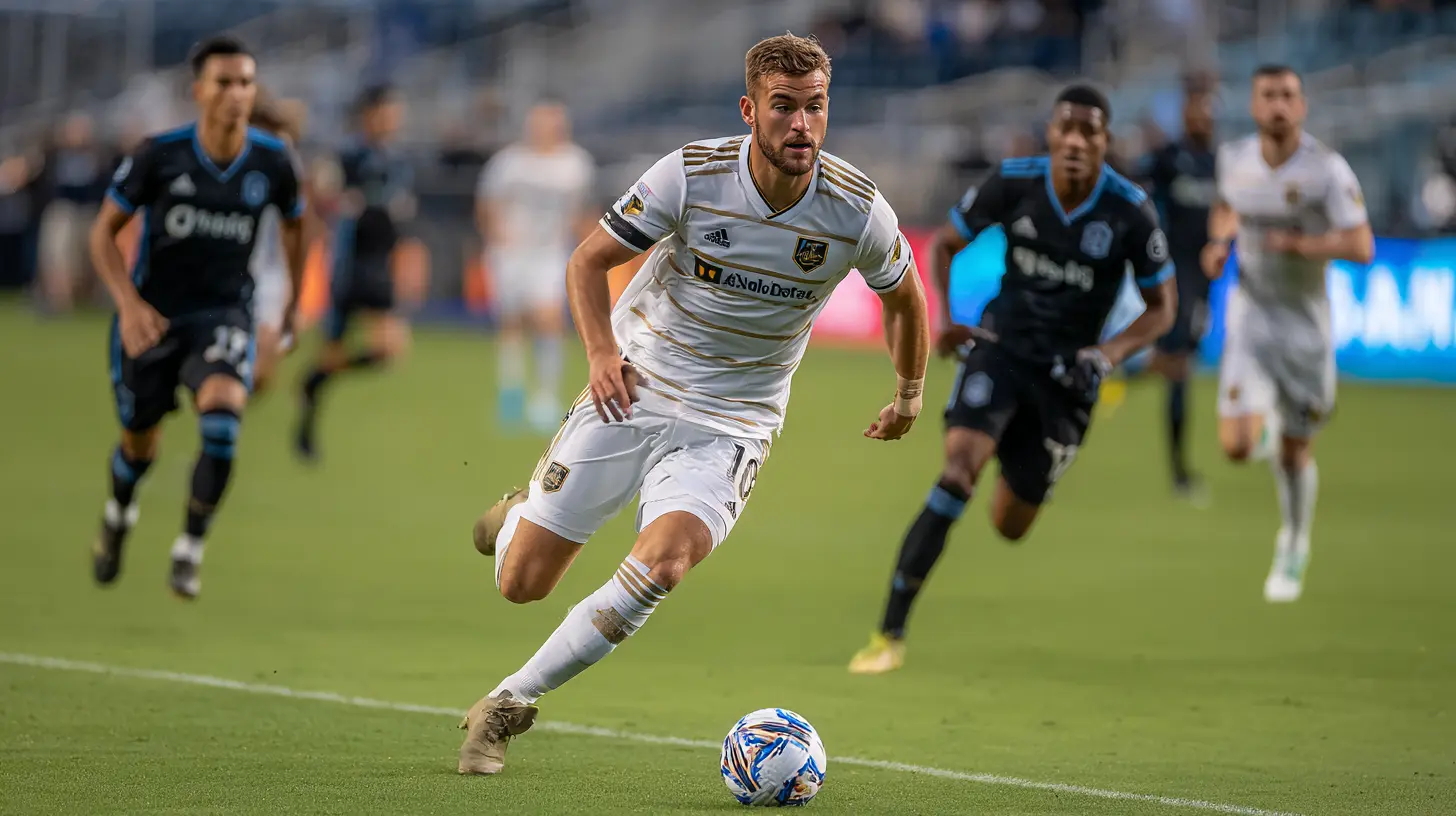
MLS has survived several moments that were supposed to change everything. David Beckham's arrival in 2007, the 2010 World Cup bump, the 2014 World Cup television ratings surge, and the 2018 arrival of Atlanta United all generated talk of a breakthrough. Each produced real growth, but none delivered the kind of step change that the league's investors hoped for.The 2026 cycle is structurally different because three forces converge at once. The World Cup will place matches in eleven US cities, plus venues in Canada and Mexico, many of them home to MLS clubs. That means national media, international scouts, and casual fans will physically occupy MLS markets for a month. Second, the league's roster rules have matured to the point where clubs can sign and retain meaningful talent without the constant churn of the early designated player era. Third, the academy pipeline has started producing players who command real transfer fees, which changes the economics of the entire organization.
The mistake many observers make is assuming the World Cup itself will deliver new fans. It will not, at least not automatically. International tournaments create temporary curiosity. Converting that curiosity into season ticket holders, broadcast viewers, and merchandise buyers requires deliberate design. That is the work happening now.

The Roster Construction Shift
The most visible positioning is in how clubs build their squads. The old MLS model relied on a spine of veteran internationals surrounded by domestic journeymen. The new model, increasingly common among the league's sharper front offices, looks more like a European mid-tier club: a young core signed with resale value, a small number of high-impact designated players in their prime, and a deep academy bench that can absorb injuries and international call-ups.Under-22 Initiative as a Strategic Tool
The Under-22 Initiative allows clubs to sign young players at a reduced salary budget charge, which frees up allocation money for other needs. Clubs that treat this mechanism as a salary cap loophole miss the point. The real value is in scouting. A club that builds a genuine international scouting network can use the Under-22 slots to sign players from South America, Africa, and smaller European leagues before their value inflates.Consider the difference between two approaches. Club A uses its Under-22 slots on players recommended by an agent with a relationship to the sporting director. Club B maintains a scouting department with regional coverage and a shared video database, and signs Under-22 players based on multi-year tracking. Club A will occasionally hit, but Club B will build a repeatable pipeline. When the World Cup arrives, Club B has assets that European clubs want to buy, which funds further investment. Club A has players who may or may not develop.
Designated Players in Their Prime
The designated player rule was designed to attract stars. In practice, the clubs getting the most value are using DP slots on players aged 24 to 28 who are good enough to dominate MLS but not so expensive that they cripple the wage bill. This is a trade-off worth understanding. A 34-year-old global brand sells jerseys and tickets. A 26-year-old from the Argentine or Portuguese league may not sell a single extra seat in year one, but he will likely produce more wins per dollar and retain resale value.The clubs preparing for 2026 are asking a specific question: which DP profile will still be on the roster and productive when the World Cup attention arrives? Signing a star on a two-year deal in 2024 means he is gone by 2026. Signing a 25-year-old on a four-year deal means he is in his prime when the spotlight hits. That timing discipline is a hallmark of well-run clubs.
Homegrown Depth
The academy question is where MLS clubs diverge most sharply. Some organizations have invested heavily in residential academies and affiliated USL sides. Others still treat homegrown signings as a compliance exercise. The clubs positioning for 2026 understand that a World Cup on home soil will accelerate the domestic player market. Young American players will be more visible, more scouted, and more expensive to acquire from other leagues. The cheapest source of domestic talent is your own academy, provided you have built the pathway from under-15 to the first team.A practical note for clubs that are behind: building an academy takes five to seven years to produce first-team contributors. If a club wants homegrown impact in 2026, the investment needed to happen around 2019 or 2020. Clubs that missed that window should focus on acquiring young domestic players from other MLS teams or from USL, and on building the academy for the next cycle rather than pretending a quick fix exists.
Stadium and Matchday Experience
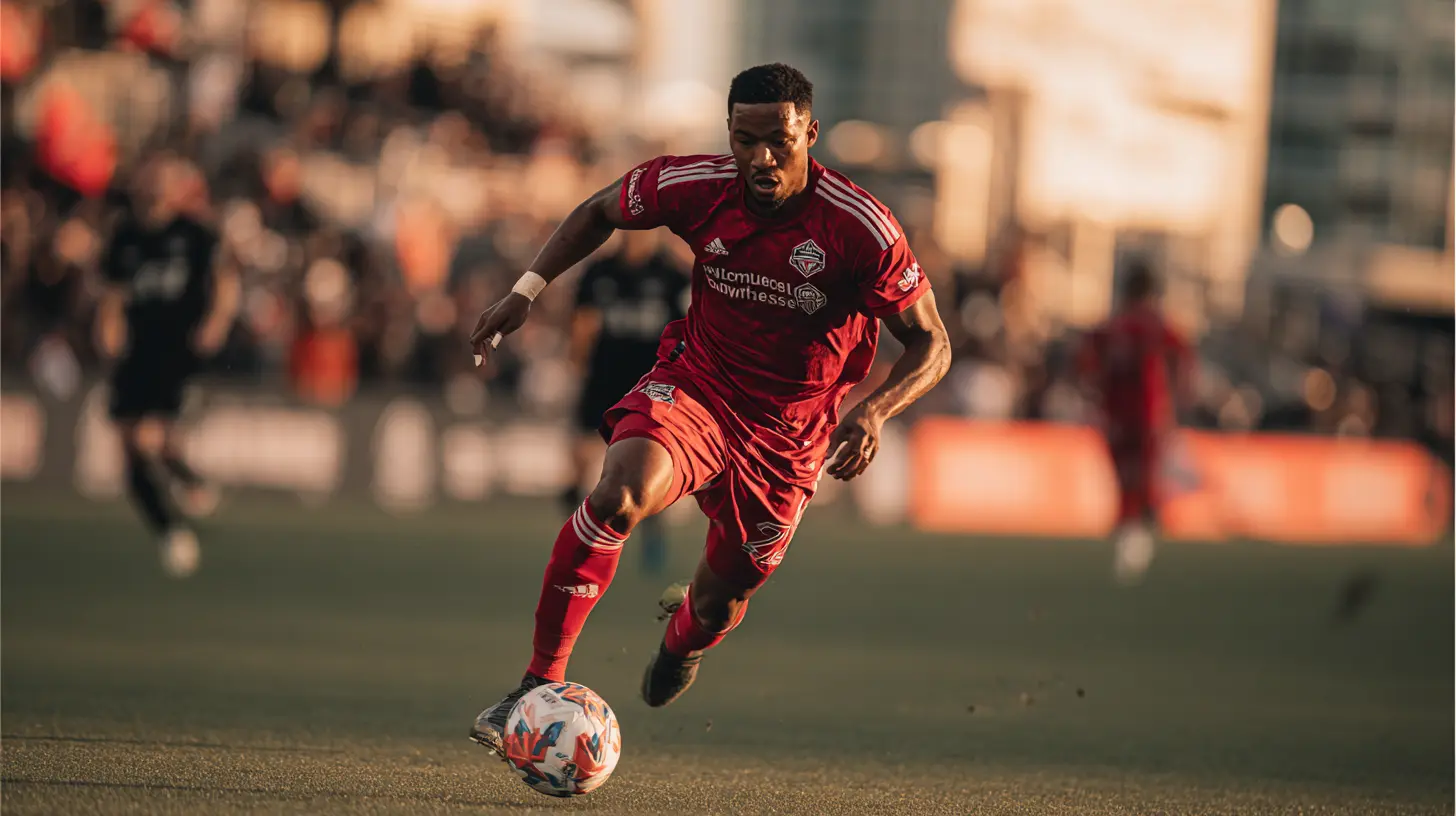
The World Cup will bring fans to MLS cities who have never attended an MLS match. Their first impression will be formed by the stadium, the atmosphere, and the ease of the experience. Clubs that treat matchday as a product, not an obligation, will convert more of those visitors.Downtown vs Suburban Venues
The league's move toward downtown stadiums is well documented, and the reasoning is sound. Urban venues are accessible by transit, surrounded by bars and restaurants, and generate the kind of pre and post match energy that suburban complexes struggle to replicate. But the trade-off is real. Downtown sites are expensive, constrained by footprint, and often require complex public-private partnerships. Suburban stadiums can offer more parking, cheaper construction, and room for training facilities on site.The clubs positioning well for 2026 are not necessarily the ones with the newest stadiums. They are the ones that have solved the access problem. A suburban stadium with a dedicated shuttle network, a well-designed supporters' section, and a matchday program that starts three hours before kickoff can create atmosphere. A beautiful downtown stadium with poor transit connections and no surrounding activation can feel sterile. The lesson is that location matters less than the total matchday system.
Pricing and Conversion Strategy
Here is a common mistake. Clubs see the World Cup coming and raise ticket prices to capture the surge. This works in the short term and backfires over time. The visitors who attend their first MLS match during the World Cup will compare the experience to the tournament, which is a losing comparison on pure quality. What they can be won over by is value, accessibility, and a sense of belonging.The smarter approach is to use 2026 as an acquisition year, not a harvest year. Offer bundled packages, family pricing, and flexible ticket credits that encourage repeat attendance. Track which first-time buyers convert to second and third visits, and invest in the follow-up. A fan who attends three matches in a season is dramatically more likely to renew than a fan who attends one. Clubs that understand this will treat 2026 as a customer acquisition cost, not a revenue peak.

Commercial and Broadcast Positioning
The business side of MLS has historically been centralized, with the league negotiating national broadcast and sponsorship deals on behalf of all clubs. That structure provides stability, but it limits the ability of individual clubs to build local identity. The clubs preparing for 2026 are finding ways to build distinctive commercial profiles within the league framework.Local Media and Content
National broadcast deals matter, but local reach drives attendance. Clubs that invest in their own content operations, whether that is a documentary series, a podcast network, or a strong social presence built around player personalities, create a direct relationship with fans that survives broadcast changes. The World Cup will flood the zone with soccer content. Clubs that already have an owned audience will be able to convert that attention more effectively than clubs that rely entirely on league channels.A useful comparison: two clubs in similar markets. Club A posts highlight clips and promotional graphics. Club B produces a weekly behind-the-scenes show, a player-hosted podcast, and long-form written features. When the World Cup brings a wave of new interest, Club B has a content library that gives new fans a reason to follow. Club A has a highlight reel that looks like every other club's highlight reel. The investment in owned content is not glamorous, but it compounds.
Sponsorship Beyond the Jersey
Jersey sponsorship is the most visible commercial asset, but it is also the most saturated. Clubs positioning for 2026 are building sponsorship inventory around the stadium experience: naming rights for specific areas, presenting partnerships for youth programs, and community initiatives that give brands a story beyond a logo. These deals are smaller individually but more durable, because they tie the sponsor to a specific program rather than a generic association.The common mistake here is chasing the biggest possible front-of-shirt deal at the expense of everything else. A club that signs a large but disengaged sponsor and neglects its community partnerships ends up with a commercial portfolio that looks impressive on a slide and produces little activation. The clubs doing this well treat sponsorship as a partnership with deliverables on both sides.
Sporting Infrastructure and Analytics
The gap between the best and worst run clubs in MLS is widening, and analytics is a major reason. Clubs that have built data departments capable of evaluating players, modeling game states, and informing tactical decisions have a structural advantage over clubs that rely on eye tests and agent relationships.Recruitment Analytics
Player recruitment is the highest-leverage decision a sporting director makes. A data-informed process does not replace scouting, but it narrows the search and reduces the risk of expensive mistakes. The practical application is straightforward: build a database of players in comparable leagues, filter by position-specific metrics, and use video scouting to validate the shortlist. Clubs that do this consistently find undervalued players in markets that other clubs ignore.The trade-off is cost and time. Building an analytics department requires investment in people and tools, and the returns are not immediate. A club that hires a single analyst and expects results in one transfer window will be disappointed. The clubs seeing real returns started three to five years ago and have iterated on their models. For clubs starting now, the realistic path is to hire one or two strong analysts, focus on a narrow set of decisions, and build credibility internally before expanding.
Sports Science and Availability
A less discussed but equally important factor is player availability. MLS seasons are long, travel is brutal, and the summer heat in many markets is punishing. Clubs that invest in sports science, load management, and recovery infrastructure lose fewer players to soft tissue injuries. Over a 34-match season, that difference can be worth several points.The misconception is that sports science is about preventing catastrophic injuries. It is mostly about managing the accumulation of small stresses that degrade performance. A club that rotates intelligently, monitors training loads, and invests in recovery will have fresher players in September and October, which is when playoff positions are decided. This is not glamorous work, but it is exactly the kind of unglamorous competence that separates consistent contenders from teams that spike and fade.
Youth Development and the Transfer Market
The single biggest financial shift in MLS over the next few years will be the transfer market. Clubs that develop and sell young players can fund their entire operation. Clubs that do not will remain dependent on league revenue sharing and ownership investment.Building a Sellable Pathway
A young player will only command a meaningful transfer fee if he has demonstrated first-team performance in a credible league. That means the pathway from academy to first team must be real, not theoretical. The clubs doing this well give academy graduates meaningful minutes in competitive matches, not just garbage time. They also invest in the supporting infrastructure: education programs for players who do not make it, loan partnerships with USL clubs, and a clear communication strategy so families understand the plan.The mistake clubs make is treating the first homegrown sale as the end goal. The clubs that build a sustainable model treat it as the beginning. Each sale funds the next cycle of academy investment, and each success story becomes a recruiting tool for the next generation of families. This is a multi-year flywheel, and it requires patience from ownership.
The Risk of Over-Relying on Sales
There is a counterargument worth taking seriously. A club that becomes too focused on selling players can undermine its competitive ambitions. Fans do not buy tickets to watch a development program. The balance is delicate. The clubs navigating this well set internal rules, such as a minimum number of experienced players in the starting eleven, or a commitment to retain a young star for at least two full seasons before considering offers. These rules are not rigid, but they provide a framework for decision-making under pressure.What Clubs Get Wrong
It is worth naming the common errors directly, because they are widespread and costly.The first is treating 2026 as an event rather than a deadline. The World Cup is a fixed date, but the preparation is a multi-year process. Clubs that start planning in late 2025 will be too late. The organizations doing this well have been building since the bid was awarded.
The second is over-indexing on marketing at the expense of product. A brilliant campaign that drives first-time attendees to a poor matchday experience wastes money. The matchday experience has to be ready before the marketing spend ramps up.
The third is assuming the World Cup will permanently expand the fan base without sustained effort. International tournaments create a spike, not a plateau. The clubs that retain new fans are the ones that have built the infrastructure to convert them: follow-up communication, accessible pricing, and a product worth returning to.
The fourth is copying other clubs without understanding context. A strategy that works in Atlanta, with its downtown stadium and dense urban population, may not work in a smaller market with different demographics. The principles transfer; the tactics do not.
A Realistic View of What Breakout Means
It is easy to talk about breakout seasons in vague terms. A more useful definition is specific. For an MLS club, a breakout in 2026 might mean any of the following: a sustained increase in season ticket renewals, a first homegrown transfer above a meaningful threshold, a playoff run that captures national attention, or a commercial partnership that signals long-term commitment from a major brand.Not every club will achieve all of these. The ones that break out will likely achieve two or three, and they will do so because they built systems rather than chasing moments. The World Cup will provide a platform. The clubs that use it well will be the ones that were already doing the work.
Practical Takeaways for Clubs and Observers
For clubs still building their plans, a few actionable priorities stand out. Audit the matchday experience from the perspective of a first-time visitor, and fix the friction points before 2026. Invest in a scouting and analytics function, even if it is small, and give it real decision-making influence. Build a content operation that creates owned audience rather than relying on rented reach. Set clear rules for player sales that protect competitive ambitions. And be honest about timelines: the academy investments made now will not pay off until the next cycle, so treat them as long-term commitments rather than quick fixes.For fans and observers, the 2026 season will be a useful test of which clubs have done the work and which have relied on rhetoric. The tell will not be in the marketing. It will be in the roster age profile, the academy graduates in the first team, the matchday operations, and the commercial partnerships that extend beyond the jersey.
MLS has spent years promising a breakthrough. The 2026 World Cup gives the league its best chance to deliver one. Whether it does will depend less on the tournament itself and more on the quiet, unglamorous work happening in front offices right now.
all images in this post were generated using AI tools
Category:
Season ExpectationsAuthor:

Preston Wilkins