How League Drafts Can Make or Break a Franchise
23 July 2026
When the draft day arrives in any professional sports league—whether it's the NFL, NBA, NHL, or MLB—it feels like Christmas morning for fans and front offices alike. Hope is in the air. The possibility of landing the next superstar, franchise player, or future Hall of Famer becomes reality. But here’s the thing—not every team nails it. In fact, a poor draft can send a team down a dark rabbit hole for years, while a smart one can set it up for a decade of dominance.
That’s the wild and unpredictable beauty of league drafts. They are equal parts strategy, luck, scouting, and sometimes just plain gut feeling.
Let’s break down exactly how league drafts can either build dynasties or doom franchises.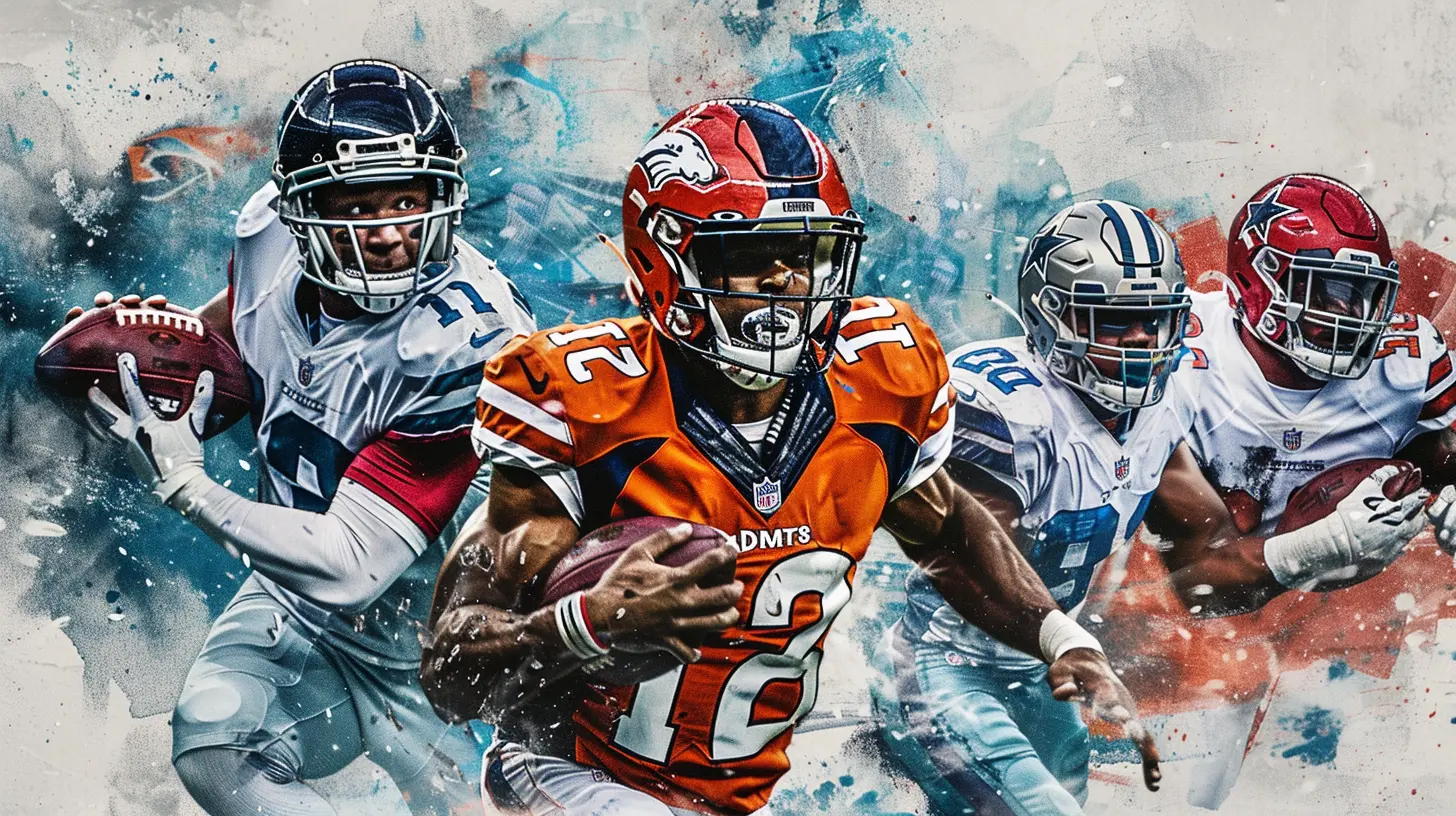
The Draft: A Brief Overview
Before we dive deep, let’s get one thing straight: the draft is essentially how teams acquire fresh talent from the amateur ranks. Think college athletes, international prospects, or junior league players depending on the sport. Each team takes turns picking players. Sounds simple, right? But the ripple effect of each pick runs deep.In theory, the worst-performing teams from the previous season get the earliest picks, giving them a chance to improve. It's like a balancing act—a soft reset to promote parity across the league. But how a team uses its position on draft night can define its future success or failure.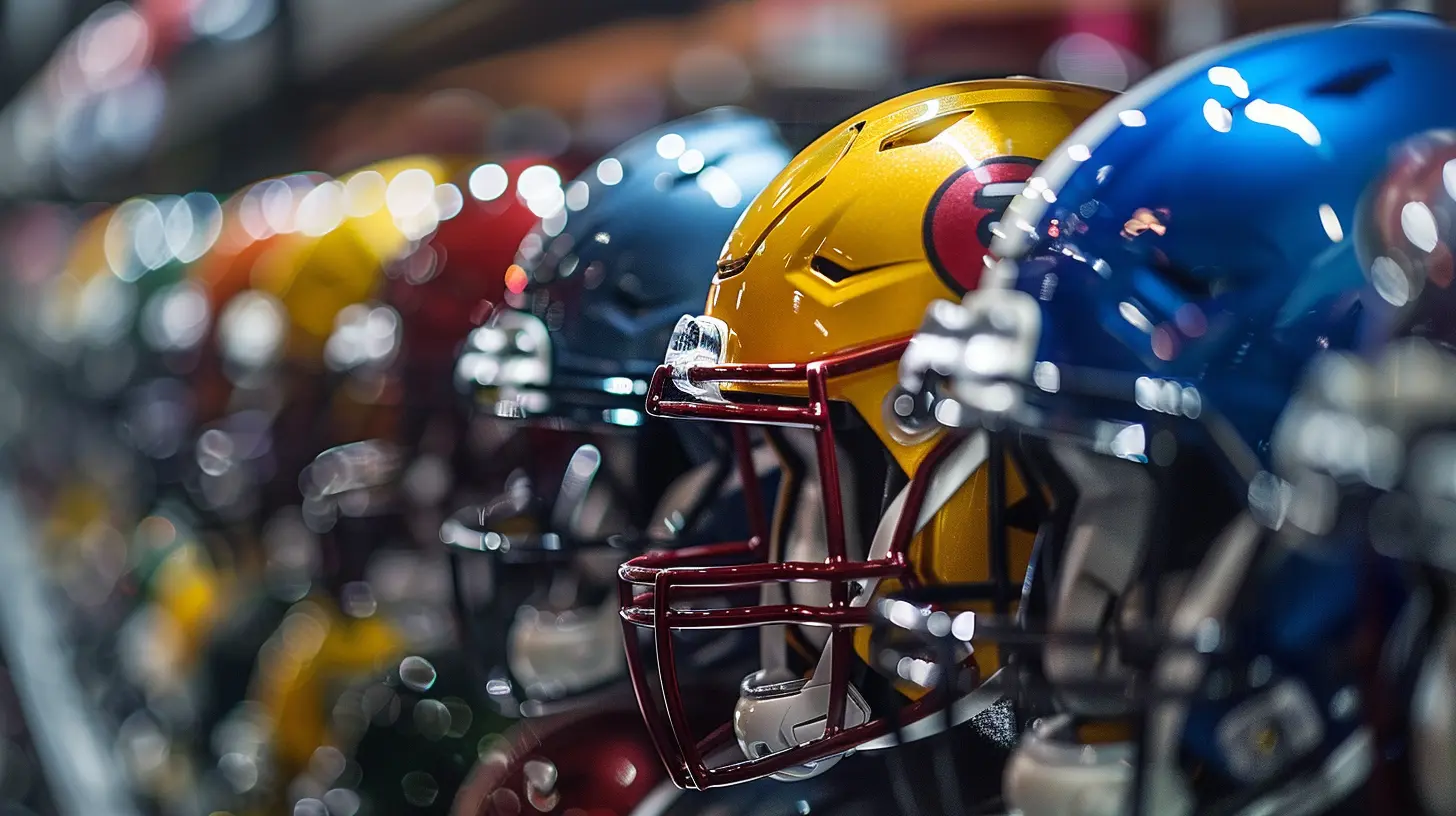
Why the Pressure Is So High
Imagine being a general manager with millions of fans watching your every move, analysts critiquing every pick, and owners expecting results fast. You only get one first-round pick a year (usually), and that pick could be the difference between winning a championship or getting fired.Draft picks are investments. And just like in the stock market, a poor investment can cost you big time.
A bad pick? Wasted potential and possibly a drained salary cap.
A good pick? A cornerstone player for years, maybe even a legend.
No wonder draft rooms get so intense.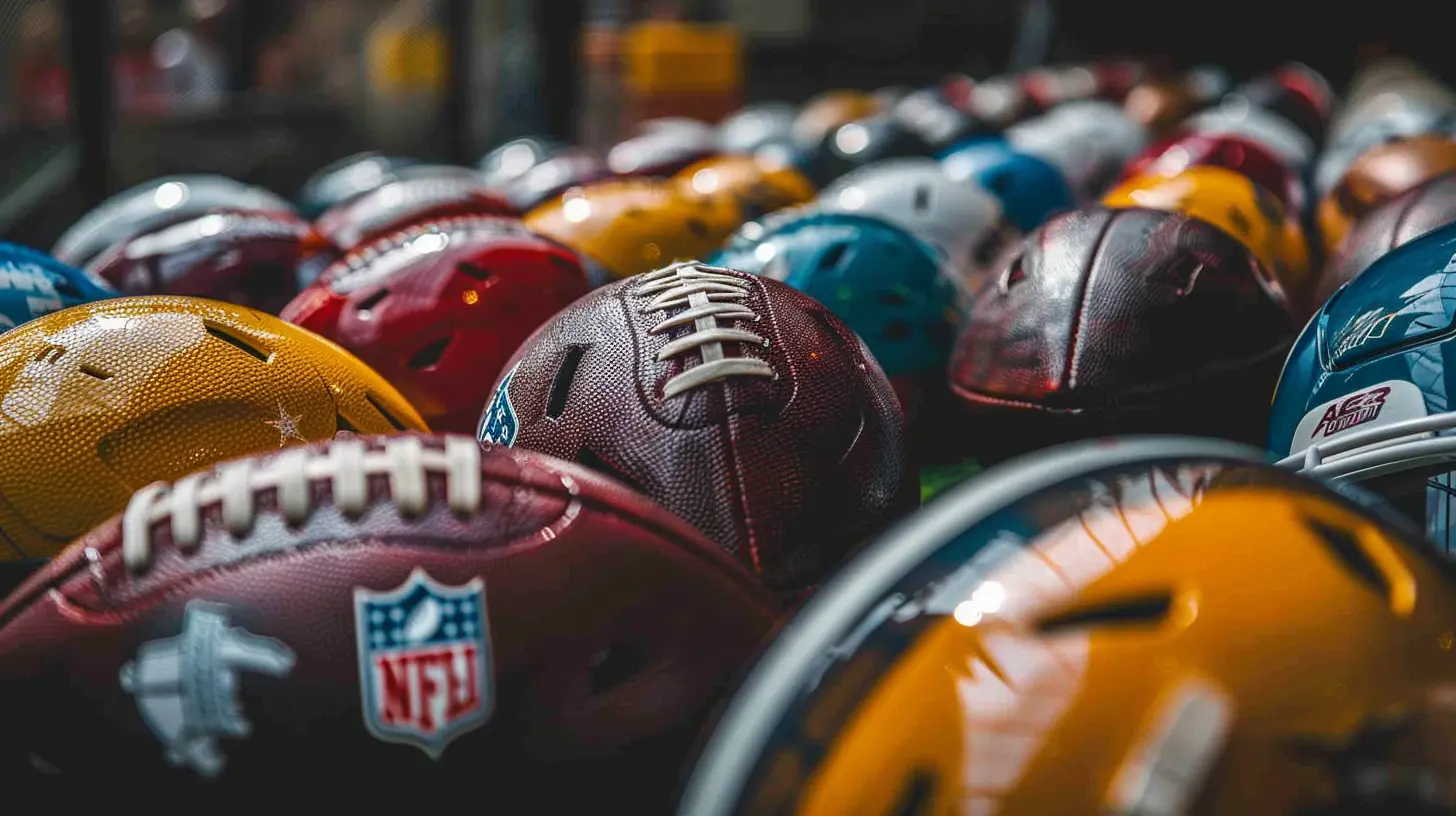
The Anatomy of a Great Draft Pick
So what makes a draft pick a hit? It’s not always about grabbing the most hyped-up athlete on the board. Successful picks usually check a few critical boxes:1. Fit with Team Philosophy
You could draft the most talented player, but if he doesn’t mesh with your system or culture, problems are brewing. Think of it like putting a square peg in a round hole.2. Character and Work Ethic
Talent will get a player into the league, but character and grit will decide how long they stay. Teams that do heavy background checks usually avoid off-field issues down the road.3. Injury History and Physical Health
Nothing sinks a draft quicker than splurging on a player with a history of injuries. Medical evaluations are just as critical as scouting reports.4. Versatility and Growth Potential
The best picks continue to evolve beyond year one. Teams should not just look for how good a player is now—but how great they can become.
The Dark Side: When Drafts Go Wrong
Let's face it—not every draft turns out like a fairytale. Some picks are simply disasters. And when that happens, the damage can last for years. Think bad contracts, wasted roster spots, and lost fan trust. Some franchises never recover.Remember the NFL’s infamous 2007 draft when the Oakland Raiders passed on Calvin Johnson and picked JaMarcus Russell first overall? Russell was out of the league in three years, while Johnson went on to become Megatron—a future Hall of Famer.
Ouch.
And who could forget the 2000 NBA draft? The Celtics, with a chance to reshape their team, whiffed on multiple selections. Meanwhile, a guy named Michael Redd (picked 43rd) turned out to be an All-Star. Sometimes, it’s not about where you pick—but who you pick.
Hidden Gems: The Power of Finding Sleepers
There’s a romantic side to the draft too. That late-round pick who turns into a legend? Fans eat that stuff up because it’s proof that diamonds can be found in the rough.Take Tom Brady. Drafted 199th overall. He wasn’t flashy. He didn’t have a rocket arm or lightning speed. But he had something intangible—leadership, football IQ, and, frankly, greatness waiting to be unleashed.
Scouting departments that find these gems? Pure gold.
The Draft Day Trade Game
Oh yes, let’s not forget draft-day trades. They can tilt the balance of power in an instant. Trading up for your guy can show boldness and vision. Trading down can offer more picks and flexibility.Think of the Dallas Cowboys in 1989. They traded away Herschel Walker to land multiple picks, which turned into key pieces for their 1990s dynasty. That draft haul built the foundation for three Super Bowl wins.
Draft trades aren’t just about players. They’re about shaping legacies.
Rebuilding Through The Draft
For teams stuck in the basement, building through the draft is the most sustainable path to relevance. Free agents might not want to join a losing franchise. Big trades can be risky. But nailing a few drafts? That’s how you flip the script.The Golden State Warriors, for example, drafted Stephen Curry, Klay Thompson, and Draymond Green. None of them were No. 1 picks. But together, they built a basketball empire. Through smart drafting and patience, the Warriors went from irrelevant to iconic.
The Role of Analytics and Technology
In the past, scouts relied heavily on “the eye test.” Now, data and analytics have stormed into draft war rooms.Today’s teams use advanced metrics, wearable tech, psychological profiling, and even AI algorithms to make draft decisions. It’s no longer just about how fast a player runs a 40-yard dash—it’s about his decision-making speed, recovery rate, and even mental resilience.
But there's a balance to strike. Too much data can lead to “analysis paralysis.” The best organizations blend numbers with intuition.
The Butterfly Effect of Every Pick
Here’s something wild to think about: one draft pick can alter so many careers. If Team A drafts a point guard, maybe Team B passes on one. Maybe that guy slips to Team C, where he becomes a superstar.It’s like drafting dominos. One move leads to another, and the effects can stretch out for years.
Why Fan Engagement Peaks Around Draft Time
Let’s be real—draft day brings the fan base alive. It’s the ultimate offseason event. Jerseys start getting pre-ordered. Social media explodes. Everyone becomes a scout for a night.It’s a reset button. A night where every fan can dream big again, even if their team just had a terrible season.
Drafts create hope. And in sports, hope is everything.
Lessons from Championship Teams
Wanna know what almost all championship teams have in common? They nailed their drafts.- The 2010s Seattle Seahawks? Built through smart drafting: Russell Wilson, Richard Sherman, Bobby Wagner.
- The 2000s San Antonio Spurs? Tim Duncan, Tony Parker, Manu Ginóbili—all homegrown picks.
- The 2016 Chicago Cubs? Theo Epstein used the draft to stockpile elite talent like Kris Bryant and Javy Báez.
It’s no accident. Draft well, win big.
Final Thoughts: Patience + Execution = Success
The draft is a long game. It’s not about quick fixes. It’s about building a culture, finding the right pieces, and trusting the process (yeah, we said it).Teams that panic or chase hype often pay the price. The ones who stay the course, do the homework, and invest wisely? They're the ones hoisting trophies in the end.
So the next time you tune into draft night, remember—it’s not just a bunch of names being called. It’s the future being shaped, one pick at a time.
all images in this post were generated using AI tools
Category:
Sports LeaguesAuthor:
Preston Wilkins
Discussion
rate this article
1 comments
Clementine Hines
Drafts are crucial; they shape a franchise's future success or failure.
July 23, 2026 at 3:44 AM
Preston Wilkins
Absolutely, a strong draft can set the foundation for a franchise's long-term success. It's all about finding the right talent at the right time.