How Captaincy Styles Can Make or Break a Cricket Team
3 February 2026
Leadership on the cricket field is more than just wearing an armband or making calls for bowling changes. It's an art, a science, and sometimes—just like a game of chess—it’s about reading the opposition, the pitch, and your own players. A captain isn’t just someone who tosses the coin; they hold the heartbeat of the team.
In cricket, where the margin of error is razor-thin, captaincy can be the glue that holds it all together—or the loose thread that unravels everything. So, how exactly can different captaincy styles shape the destiny of a cricket team? Let’s dive into this fascinating subject.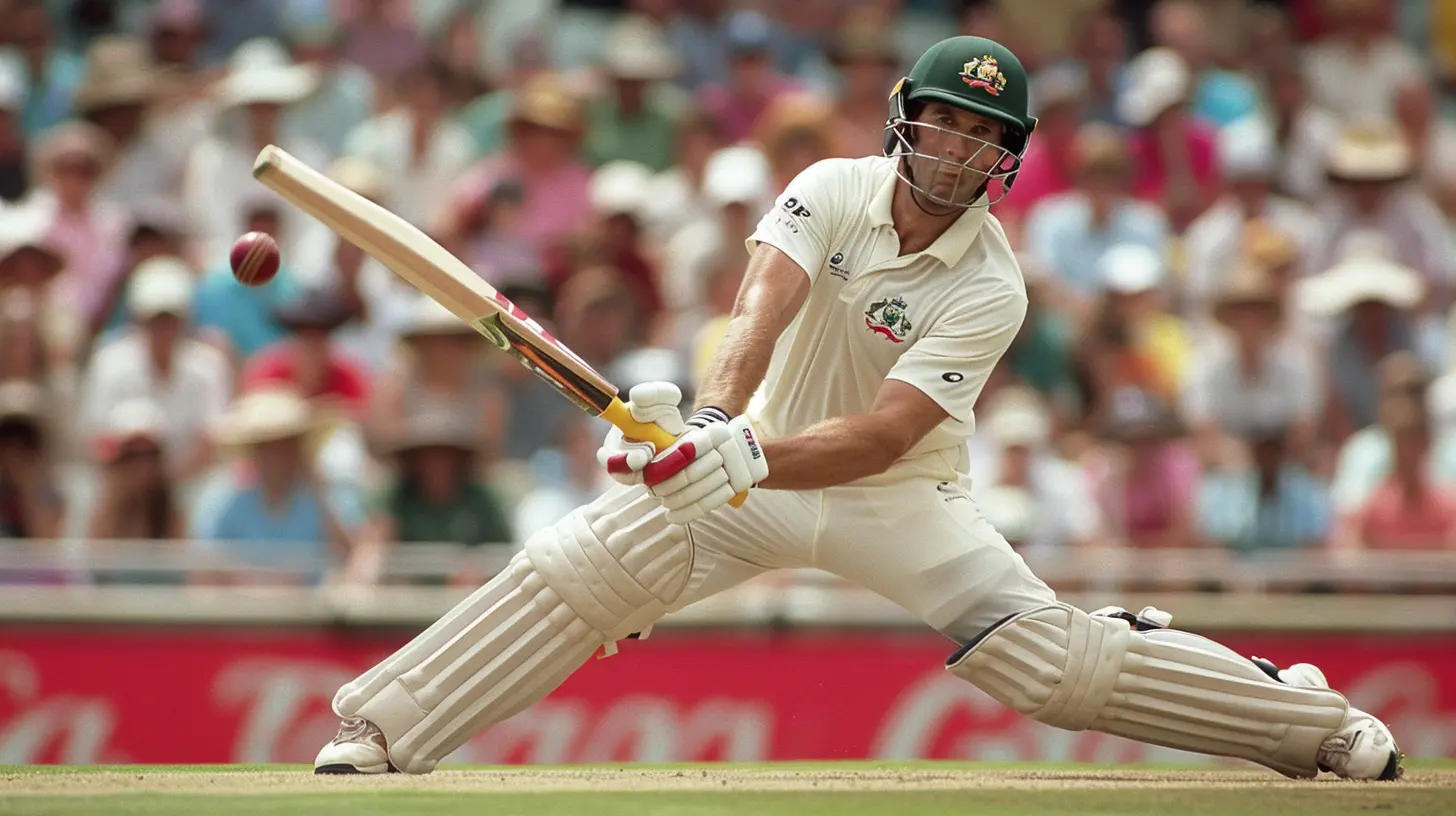
🧠 The Role of a Captain in Cricket: More Than Just a Leader
In other sports, the coach may take center stage. But in cricket, the captain is king. They make real-time decisions that can alter the course of a match—field placements, bowling changes, DRS calls, batting orders, and even the psychological approach to the game. Talk about multitasking!A cricket captain needs to balance multiple roles: strategist, motivator, mentor, and sometimes even crisis manager. Ever seen a captain rally the troops when the team is down five wickets in the first session of a Test? That’s not just leadership—it’s inspiration in action.
🎭 Different Captaincy Styles: One Size Doesn’t Fit All
Just like no two players are the same, no two captains lead the same way. Some are aggressive, in-your-face, always hunting for that edge. Others are calm, calculated, and patient like a monk waiting for enlightenment.Let’s break down the most common captaincy styles:
🔥 The Aggressive Leader
Think Ricky Ponting, Virat Kohli, or Imran Khan. These captains thrive on intensity. They wear passion on their sleeves and push their teams to fight fire with fire.Pros:
- Boosts energy and team morale.
- Encourages aggressive play.
- Takes bold decisions when others hesitate.
Cons:
- Can be emotionally draining.
- May unsettle younger or more introverted players.
- Sometimes aggression overrides logic.
🧊 The Cool and Composed Strategist
MS Dhoni is a textbook example of this style. Calm even in chaos, such captains rarely show emotion. They trust the process more than the hype.Pros:
- Keeps the dressing room calm.
- Makes smart, calculated decisions.
- Provides emotional stability.
Cons:
- May appear too passive.
- Can be misread as indifferent.
- Risks being slow to react under pressure.
🧩 The Tactical Genius
Eoin Morgan and Kane Williamson fit this mold. They're students of the game, always thinking two steps ahead. For them, captaincy is a puzzle, and every match is a new board.Pros:
- Brings a cerebral element to leadership.
- Adapts quickly to match situations.
- Maximizes team strengths and exploits weaknesses.
Cons:
- Sometimes overthinks simple situations.
- May rely too much on data over instincts.
❤️ The Players’ Captain
These are the captains who lead with empathy. Jason Holder and Brendon McCullum are prime examples. They prioritize team cohesion, unity, and trust.Pros:
- Builds strong team culture.
- Gets the best out of every player.
- Creates a secure environment for growth.
Cons:
- Might struggle with tough decisions.
- Can be too forgiving toward poor performances.
⚖️ The Impact of Captaincy Styles on Team Performance
You're probably thinking, “Does style really matter that much?” Oh, absolutely. Just like a driver’s behavior affects a car’s mileage, a captain’s style directly influences team chemistry and outcomes.🧃 Motivation and Morale
A captain’s tone sets the vibe in the dressing room. If the leader backs you publicly after a bad day, it lifts your spirit. If they doubt you, it’s like puncturing your confidence balloon. Different styles affect motivation differently.An aggressive captain might fire up a bowler to deliver a deadly spell. But for a young debutant? That same fire might feel more like heat.
🧬 Team Composition and Strategy
Captaincy doesn’t just affect how you play—it affects who plays. From choosing playing XI to deciding batting orders, captains often shape the very identity of a side.For instance, MS Dhoni’s trust in spinners reshaped India’s ODI bowling approach. Similarly, Eoin Morgan’s backing of power-hitters revolutionized England’s white-ball cricket.
🧠 Decision-Making Under Pressure
Remember that infamous 2016 T20 World Cup final? England's Ben Stokes bowling the last over to Carlos Brathwaite? A different captain might’ve gone with a different option. Pressure either sharpens a leader’s instincts or clouds their judgment.The way a captain handles crunch moments is often a reflection of their leadership DNA. It can win trophies or trigger heartbreaks.
📚 Case Studies: When Captaincy Changed the Game
🏆 The Dhoni Effect
MS Dhoni’s tenure as India’s captain changed the face of Indian cricket. Not just because he won every ICC trophy, but because of how he led. Calm in storm, he made gutsy calls (remember Joginder Sharma in the 2007 T20 final?) that paid off. His steady hand guided a dynamic but often inconsistent Indian side to glory.Takeaway: Composure can be contagious.
🔥 Virat Kohli’s Firebrand Leadership
When Kohli took over, India became more aggressive—like a lion unchained. He instilled fitness, intensity, and a killer mindset. Under him, India started winning Tests overseas. While titles were elusive in white-ball formats, the culture shift was undeniable.Takeaway: Aggression, when channeled, can push boundaries.
🔄 Eoin Morgan’s White-Ball Revolution
Talk about a comeback. England were a joke in the 2015 World Cup, but four years later, they lifted the trophy. Morgan’s analytical, inclusive captaincy built a fearless, attacking outfit. He backed players like Jason Roy and Jofra Archer even when the world doubted them.Takeaway: Vision + trust = transformation.
🤹♂️ Adapting Styles to Situations: The Best Captains Are Chameleons
Let’s be honest—not every match is the same. Sometimes you need to throw punches, other times you need to absorb them. The captains who succeed long-term usually adapt their style based on the game’s demands.Steve Smith, for instance, may not be as fiery as Kohli, but he’s shown the ability to switch gears when required. Similarly, Kane Williamson blends calm with tactical nuance beautifully. Great captains often wear multiple hats.
💡 What Teams Can Do To Support Their Captains
A captain may be a leader, but they're not Superman. Support from coaches, selectors, and senior players is crucial. Teams thrive when there’s alignment between on-field and off-field leadership.Some ways teams can support captains:
- Clear communication from management.
- Consistent player selection policies.
- Emotional and mental well-being support.
- Honest feedback loops.
When captains feel trusted, they lead with clarity. When they’re second-guessed, confusion reigns.
👉 The Fine Balance: Leading Without Dominating
One trap some captains fall into is trying to do everything themselves. That’s not leadership—that’s micromanagement on steroids. Successful captains delegate responsibilities, empower teammates, and trust their instincts.Think of it like a jazz band. The captain may be the lead saxophonist, but if they try to play every instrument, the performance falls flat.
🎯 Final Thoughts: Leadership as the X-Factor in Cricket
At the end of the day, cricket is a team sport played by individuals. And the captain? They’re the thread that weaves those individuals into a unit. Whether it’s a World Cup final or a random ODI on a Tuesday afternoon, leadership can be the difference between walking off with a trophy or trudging back with regrets.So yes, captaincy styles really can make or break a cricket team.
Next time you watch a match, pay attention to how the captain moves pieces on the field. It’s not just strategy—it’s storytelling.
all images in this post were generated using AI tools
Category:
CricketAuthor:

Preston Wilkins
Discussion
rate this article
2 comments
Solaria Sharpe
Great captaincy can inspire unity and resilience. Embrace diverse styles, and watch your team thrive on and off the field!
March 8, 2026 at 4:04 AM
Preston Wilkins
Absolutely, a great captain can unite diverse talents and foster resilience. It's all about adapting styles to bring out the best in every player.
Zia McVeigh
Great insights on captaincy styles! It’s fascinating to see how a leader’s approach can uplift a team’s spirit and performance. Here’s to hoping all captains find their groove and lead their squads to glorious victories—after all, teamwork makes the dream work! 🏏✨
February 3, 2026 at 11:53 AM
Preston Wilkins
Thank you! I’m glad you enjoyed the insights. Indeed, effective captaincy truly shapes a team's success! 🏏✨