From the Locker Room to the Sidelines: How New Rules Are Reshaping Team Dynamics
3 June 2026
Sports have always been about more than just scoring goals, touchdowns, or home runs. It’s about chemistry, communication, and culture—the delicate balance that turns individual talent into a force of unity. But here's the kicker: the dynamics that define a team don't just evolve on their own. Sometimes, they get pushed—hard—by something else entirely.
Lately, we’ve seen a wave of new rules sweeping across pro and amateur sports leagues. These adjustments aren’t only changing how games are played. They’re transforming how teams interact, how players connect, and how coaches lead from the locker room to the sidelines. So, what’s really going on behind the scenes? Let’s dig in.
The Rulebook Is Getting Heavier—And It’s Personal
Sports history is full of key rule changes that flipped the game. Think about the three-point line in basketball or the offside rule tweaks in soccer. But today’s changes are a different beast. They don’t just affect gameplay—they hit deeper, reshaping the very soul of team interaction.Take, for instance, the increasing enforcement of conduct regulations. Leagues now monitor player behavior not just during the game but off the field too. Social media policies, locker room codes of conduct, concussion protocols, and even vaccination mandates (thanks, pandemic) are pushing boundaries that once fell under “team culture.” Now, they’re league-mandated norms.
And when the rules change, the dynamics shift—in ways both obvious and subtle.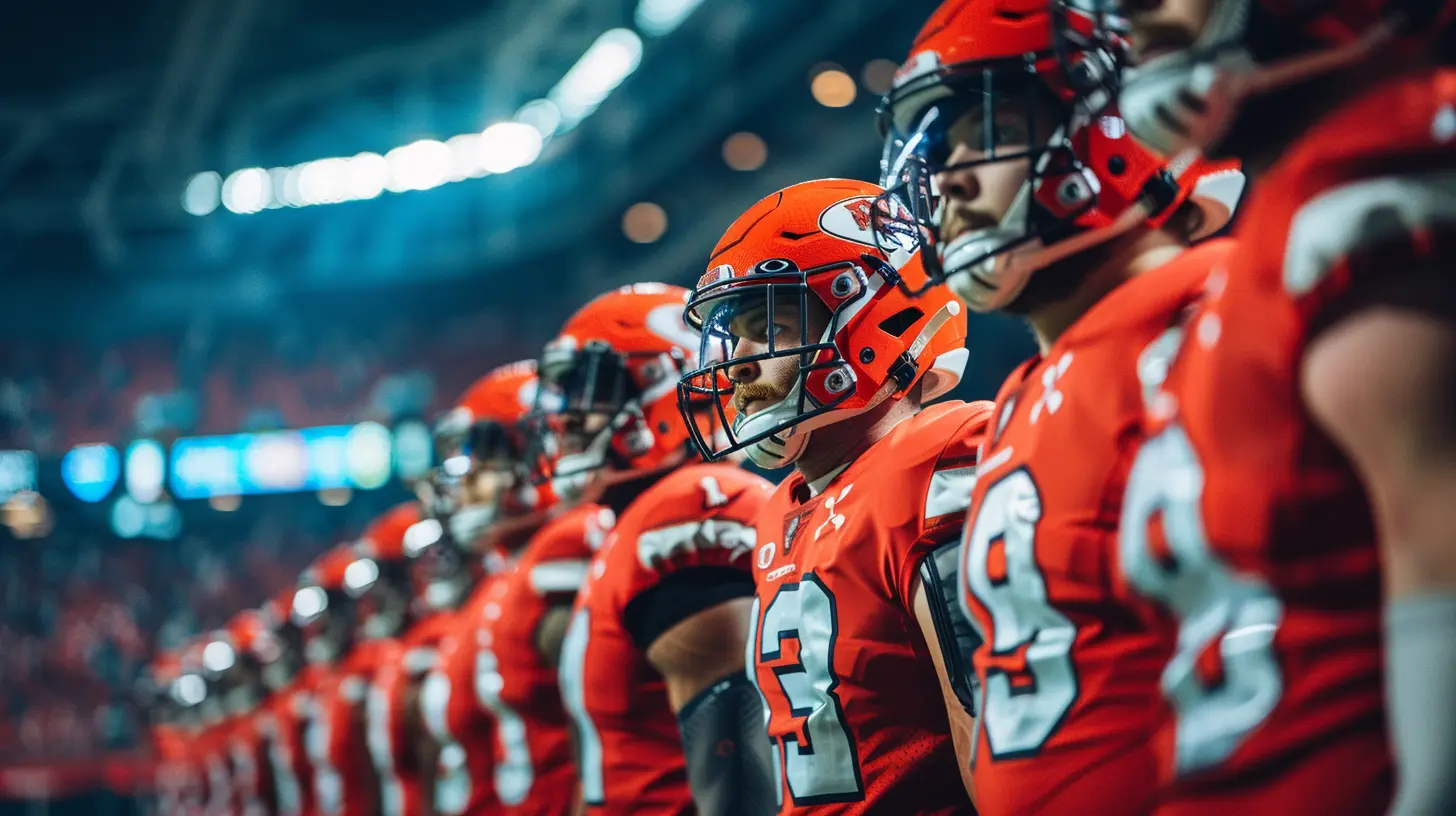
Say Goodbye to the Old School Locker Room Culture
Remember when locker rooms were a sacred space for teams to bond without outside interference? Well, not anymore.New Rules ≠ No Privacy
With stricter conduct rules and increased surveillance (hello, COVID-era contact tracing and mental health check-ins), the locker room isn’t as private as it used to be. That’s not necessarily a bad thing, but it does create tension.Players now have to be more cautious with their words and actions—even when they’re just blowing off steam after a tough practice. Add to that the growing diversity on teams (culturally, racially, and socioeconomically), and suddenly, old-school locker room traditions can get awkward—or straight-up problematic.
Younger athletes, especially Gen Z, expect inclusive and respectful environments. And the rules are backing them up. Hazing? It’s out. Crude jokes? Not funny anymore. And these shifts are forcing captains and coaches to adjust team-building methods.
Communication Is Under Review
Let’s talk about another area that's under the microscope: how players and coaches communicate. On and off the field, the rules are changing here too.Sideline Talk Just Got a Lot More Strategic
Ever since leagues started implementing technology-driven rules—think helmet radios in the NFL or video reviews in tennis—coaches have had to adjust how and when they deliver instructions. Some sports have even introduced limits on how often a coach can communicate with athletes during play.That means team leaders have to trust their players more than ever. They need to build communication systems in training because, come game time, the hand-holding just isn’t possible.
But here’s the good part: this rule-induced silence often leads to stronger peer communication. Players have to step up, read the game, and read each other. It’s like handing over the steering wheel—scary at first, but eventually empowering.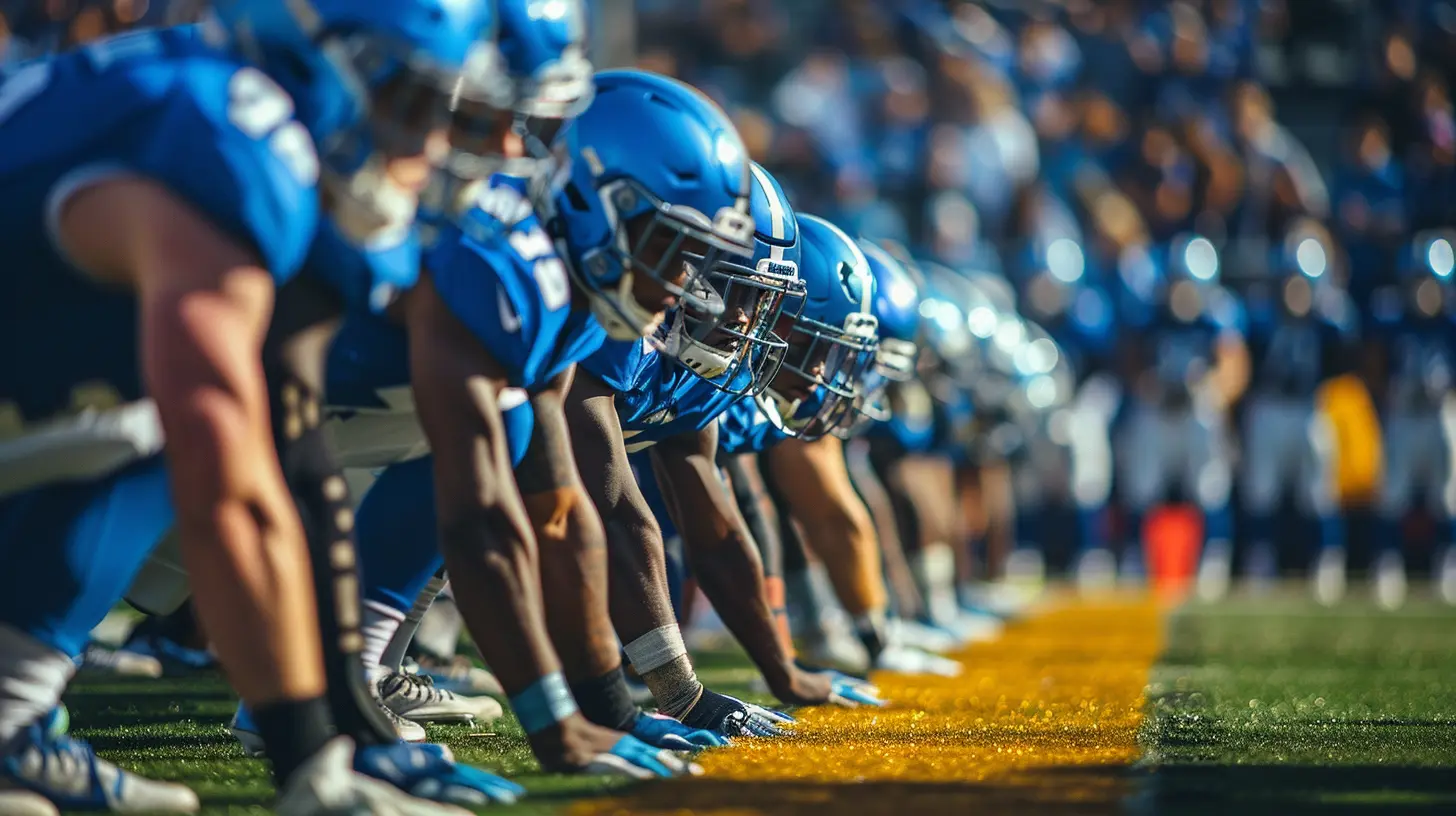
Mental Health Is Finally on the Agenda
Let’s get real for a second—mental health in sports used to be the elephant in the room. But now? It’s front and center, and guess what? That comes with its own set of rules.From the NBA to the Olympics, leagues are now incorporating mental health policies that require teams to provide access to therapists, rest periods, and even allowances for stepping back from competition altogether.
This isn’t just a nice-to-have. It’s reshaping how team members support one another.
Vulnerability Is the New Strength
With new mental health rules, athletes are more open about struggles, and teams are encouraged to respond with compassion—not criticism. That’s a big shift from the days of "tough it out" and "walk it off."And it’s changing leadership styles. Captains are no longer just the loudest voices—they're now often the most empathetic ones. Coaches who once ruled through fear are learning to lead with understanding. And sure, that might sound soft, but it’s proven to boost long-term performance and team cohesion.
COVID: The Rule-Changer Nobody Asked For
Ah yes, the pandemic. If there ever was a time when teams were forced to adapt quickly, this was it.Social Distancing Changes Social Dynamics
Restrictions on shared facilities, mandatory masking, and virtual meetings meant teams had to bond in completely new ways. Training bubbles replaced open gyms. Zoom replaced chalk talks. And the idea of "team spirit" had to be reimagined.It wasn’t just about staying fit—it was about staying connected. Coaches who figured out how to keep morale high when players were apart became the MVPs of the sidelines.
Even as things return to “normal,” some of these rule-induced changes are sticking around. Virtual scouting, personalized training programs, AI-driven performance analysis—they’re all part of the new normal. And they’re making team dynamics more data-driven and results-focused than ever before.
Inclusion Rules Are Breaking Down Barriers
Let’s zoom out a bit. One of the biggest ways new rules are reshaping team dynamics? By forcing inclusivity.Name, Gender, and Pronouns Matter
More leagues are now enforcing inclusive policies that go beyond race. We’re talking about gender identity, sexual orientation, and representation. Whether it's creating equal facilities or allowing players to use their preferred pronouns without pushback, it’s a brave new world.This isn't just paperwork—it’s changing how teammates relate to each other. Inclusivity rules are pushing players to confront biases, have real conversations, and become more emotionally intelligent.
In short? They’re making teams kinder—and tighter.
The Analytics Era: Numbers Are Talking Louder Than Ever
Data has always been part of sports, but in the past few years, we’ve moved into uncharted territory. Performance metrics, wearables, and AI-driven scouting reports are now embedded in daily routines.Numbers Are Changing Team Roles
Thanks to data, coaches can track work rates, fatigue, and even emotional responses through biometric feedback. And that’s shifting how they assign roles and responsibilities.Suddenly, a player who used to be benched becomes invaluable because they cover more ground or create space—even if they don’t score. Analytics are redefining value, and that's reshaping locker room hierarchies.
This can be a blessing or a problem. For some, it removes bias. For others, it feels dehumanizing. Either way, it’s causing a shift in how teammates perceive one another.
Younger Athletes, New Expectations
There’s no denying it—today’s athletes are different. They’re more socially conscious, more outspoken, and more unwilling to “just shut up and play.” And new school rules are backing them up.Empowerment Over Obedience
From NIL (Name, Image, Likeness) rights to transfer rules in college sports, younger athletes now have more autonomy than ever. They can earn. They can move. They can speak.That independence changes the team dynamic big time. Coaches can no longer lead with an iron fist. Peer-to-peer mentorship is replacing top-down direction. And older team members have to learn to listen instead of just leading.
It’s creating more democratic locker rooms—and sometimes, more tension. But ultimately, it’s building teams that are more united around shared values than forced hierarchy.
Final Thoughts: This Isn’t Just Evolution. It’s a Revolution.
Let’s not sugarcoat it; the sports world is undergoing a sea change. The rulebook is no longer just a guide for the game—it’s a blueprint for behavior, identity, and connection. From the locker room to the sidelines, these new rules are forcing everyone to grow.Sure, it’s uncomfortable. Change usually is. But it’s also creating richer, more emotionally intelligent, and ultimately stronger teams. We’re looking at a future where your best teammate isn’t the one with the most goals—but the one with the most empathy. And the best coach? The one who listens as much as they lead.
So whether you're a player, coach, or die-hard fan, it's time to embrace the rule changes. Because they’re not just reshaping the game—we’re witnessing a full-on transformation of what it means to be a team.
all images in this post were generated using AI tools
Category:
New RulesAuthor:

Preston Wilkins
Discussion
rate this article
1 comments
Thaddeus Roberson
The shift in rules is a game changer for team dynamics. By promoting transparency and accountability, teams can foster stronger relationships both on and off the field. These changes not only impact performance but also enhance player engagement and teamwork.
June 8, 2026 at 3:51 AM
Preston Wilkins
I completely agree. Transparency and accountability truly transform how teams connect and perform together. It's exciting to see these changes in action.