From Free Throws to Penalty Kicks: How Rule Changes Are Redefining Game-Changing Moments
23 March 2026
You ever find yourself watching a game and thinking, “Wait, that wasn’t a foul last season, was it?” or “When did this rule get added?” Sports aren’t just about athletes getting faster, stronger, and smarter. The rulebook is constantly getting a makeover too—and often, it changes the very soul of the game. From the hardwood of the NBA to the grassy pitches of soccer stadiums worldwide, rule changes are reshaping how we witness those nail-biting, game-altering plays—like the drama of a free throw or the pressure cooker of a penalty kick.
Let’s dive into how these little tweaks in the rulebooks are redefining big moments in sports.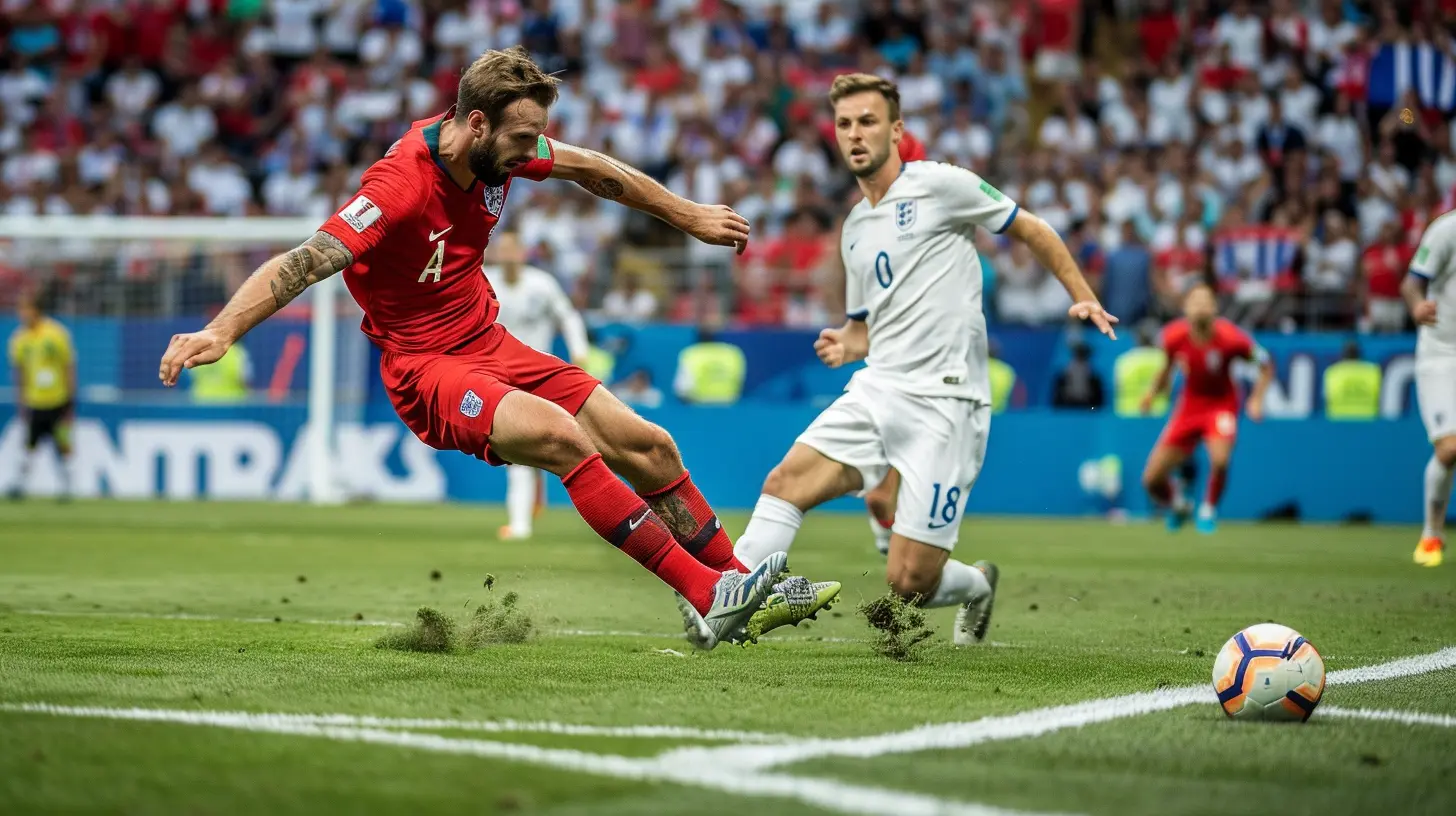
Why Rule Changes Matter More Than You Think
We usually assume the game is just how we see it on TV—structured, consistent, and governed by traditions. But here’s the truth: rules evolve. And when they do, they don’t just affect gameplay mechanics—they shift momentum, change outcomes, and rewrite legacies.Imagine if Steph Curry had to take free throws under older, stricter shooting rules. Or if modern soccer had to survive without VAR (Video Assistant Referee)—some teams might have World Cups they never won or lost.
In short? Rule changes = game changes.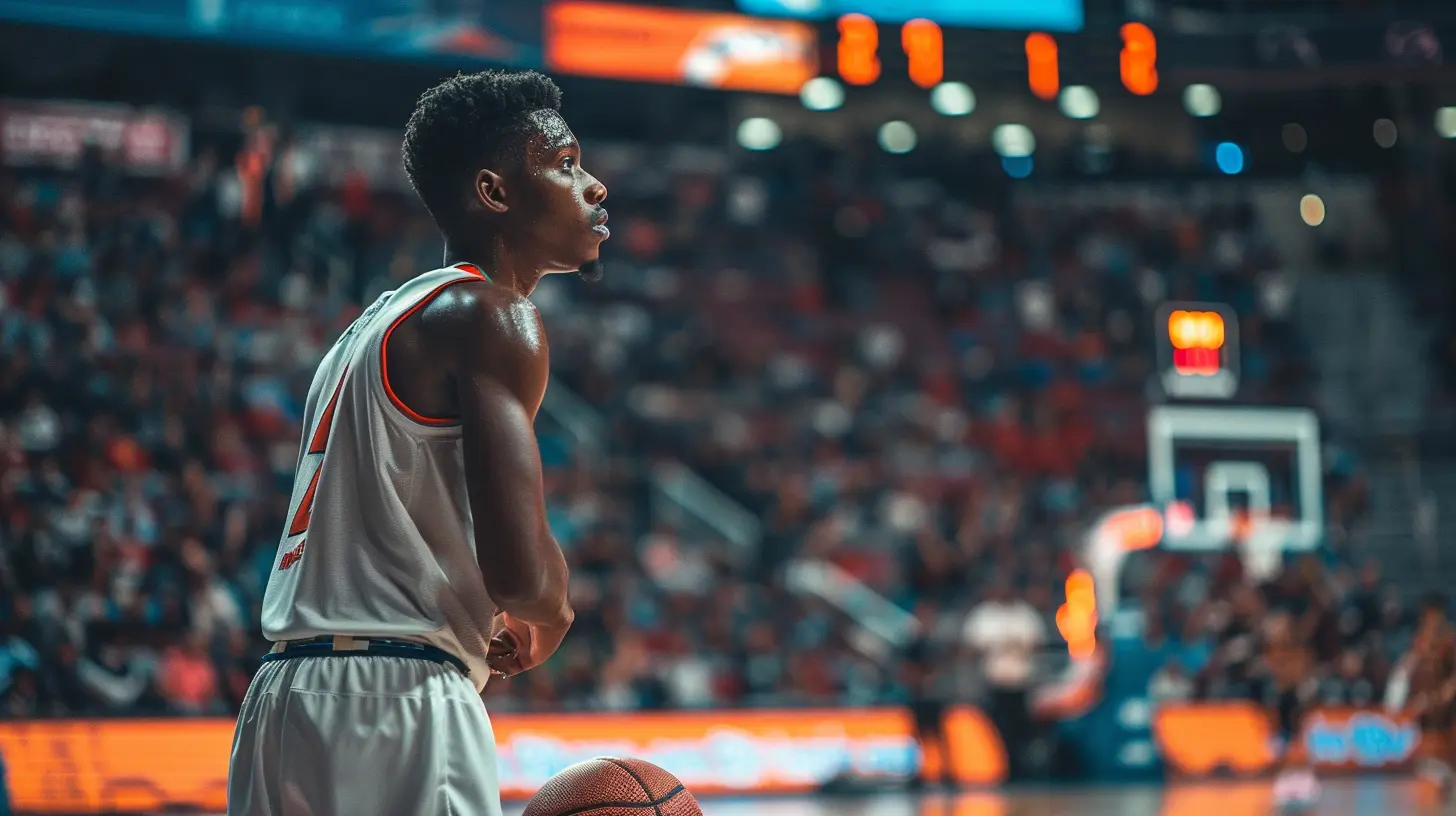
The Science (and Chaos) of Free Throws in Modern Basketball
Let's start with hoops.Back in the day, free throw shooting was all about mechanics—just the shooter, the referee, and the basket. Today? It's a mind game.
The 'Take Foul' Rule
In 2022, the NBA introduced a new rule to curb take fouls during fast breaks. You know, when a defender intentionally fouls to stop an easy bucket. Now, instead of just resetting the play, the offensive team gets a free throw and possession.Big shift, right? What used to be a tactical foul is now a costly mistake. That means more fast breaks and more highlight dunks. And guess who wins? Fans. Offense. Excitement.
Hack-a-Player Rules
Remember the whole "Hack-a-Shaq" era? Defensive teams used to intentionally foul poor free throw shooters like Shaquille O'Neal just to slow the game down and play the odds.But with modern rules penalizing intentional fouls away from the ball, coaches can’t abuse that loophole anymore. That means fewer boring, foul-heavy finishes and more fluid gameplay. Less hacking, more hooping.
The Role of Instant Replay
Then you’ve got instant replay impacting foul calls in crunch time. Now, referees can go to the tape and review if that final buzzer-beating foul was legit—or just a flop. These moments are often the difference between overtime and walking off the court.
Penalty Kicks: Soccer’s High-Stakes Gamble Gets a Modern Twist
Now let’s switch fields.A penalty kick in soccer is already one of the most intense moments in sports. One player. One goalie. And 12 yards of space.
But the way these moments unfold is changing, big time.
VAR: The Game-Changer of Game-Changers
Say what you want about VAR—it’s made penalty decisions way more accurate. Gone are the days when a referee missed a blatant handball or got fooled by a dive.Now every penalty call is subject to review. And yeah, it slows the game down sometimes. But it also adds fairness. As a defender, you can’t get away with subtle shirt pulls. As a forward, you better hope you’re not faking it—because the cameras see everything.
Goalkeepers Can’t Cheat Anymore
We all cheered when goalies leaped off their lines to save a penalty… until FIFA said, “Not so fast.” Under new rules, the goalie must have at least one foot on the goal line when the kick is taken.No more early jumps. If they break the rule? The kick is retaken.
This single rule change gives shooters a new edge—and it’s already changed outcomes, especially in shootouts.
The Psychology of Pressure Has Shifted
Let’s not underestimate this: rule changes mess with players’ heads. And in moments that already carry heavy mental pressure—like free throws in the fourth quarter or penalty kicks in stoppage time—those tweaks can change how confident an athlete feels.A basketball player now not only focuses on their shot mechanics but also thinks about whether a defender is going to wrap them up hard or get penalized for a take foul. A striker is no longer just sizing up the goalie—but also remembering that the VAR camera is watching every move leading to that penalty.
That’s huge. Because confidence is everything in sports.
Game Flow Is King: Why Speed Matters
One of the biggest reasons behind modern rule changes? Speed.Let’s be honest—nobody wants to watch a game drag on.
- In basketball, new rules aim to limit intentional fouling late in games.
- In soccer, VAR and substitution time limits reduce stalling.
- Even in baseball, the pitch clock is forcing pitchers to deliver faster and batters to stay ready.
If fans are going to stay engaged—especially younger, shorter-attention-span fans—leagues have to make the games flow better. It’s like streaming vs cable TV. If it’s not on-demand, fast, and entertaining—you’ll click away.
The Impact on Coaching Strategy
Coaches know this: every rule change means a new playbook.Basketball Coaches Adapt Quickly
When the NBA changed the take foul rule? Teams had to focus more on transition defense positioning. Can’t foul anymore? Better learn to hustle back.And with instant replay, coaches have to consider whether to burn the challenge on a foul call or save it for something bigger. One wrong challenge, and you're out of luck.
Soccer Managers and Substitution Strategies
In soccer, substitution windows are now more structured—three stoppages max to make your five changes (plus halftime). That changes how a coach manages fatigue and injuries.And with VAR in play, some managers even tweak their approach knowing there's a safety net—or a tripwire—depending on how you look at it.
Controversy: Fans Still Split Down the Middle
Let’s not act like everyone loves these changes. Purists will always argue: “Let the players play! Stop slowing everything down with reviews!”They’ve got a point. Over-policing the game can make it feel sterile, robotic even. If every big moment has to go up to a video booth, where’s the spontaneity?
But then again—no one wants a World Cup final decided by a missed handball or an NBA Finals wrecked by a missed foul.
So yeah, rule changes help get big calls right. But they do mess with tradition.
Are We Headed Toward a "Perfect Game"?
It’s tempting to think all these changes are pushing us toward a flawless version of each sport. But here’s the thing: perfection isn’t the goal. Fairness is. Drama is. Unpredictability? Still part of the fun.The best games thrive on chaos—but controlled chaos. Rule changes are there to fine-tune the madness, not suppress it.
Kids Are Growing Up With a New Rulebook
Maybe the wildest part? Young athletes growing up today are learning a version of these games that’s completely different from the one you and I grew up watching.They’re mastering step-back 3-pointers in a league that frees up offensive creativity. They're training as goalkeepers knowing they can’t cheat on the line. That’s how deep rule changes go—they don’t just update the game; they influence entire generations of play.
What's Next? Even More Rule Tweaks on the Horizon
Don’t expect rule changes to stop anytime soon. In fact, leagues are constantly experimenting—some with trial seasons, others with preseason tests.Some concepts rumored or tested in recent years include:
- NBA four-point line trials
- Automated offside detection in soccer
- Shot clocks in tennis (already adopted at some events)
These changes could open up new styles of play, new stars, new records—and of course, even more game-changing moments.
Final Thoughts: Traditions Evolve, and That’s Okay
Look, loving sports doesn’t mean hating change. It means caring enough to want the best version of the game, even if that version looks a little different each season.From free throws that punish take-fouls to penalty kicks judged by slow-motion replays, today’s defining moments are shaped as much by the rulebook as the players themselves.
The drama’s still there. The stakes are still sky-high. But now? They come with a few new guidelines—and maybe a little extra pressure.
So next time you see a free throw or a penalty kick, don’t just watch the shot. Think about everything behind it: the rules, the strategy shifts, the psychology. That’s where the real game is being played.
all images in this post were generated using AI tools
Category:
New RulesAuthor:

Preston Wilkins
Discussion
rate this article
2 comments
Brittany Baxter
Great insights! It's fascinating to see how rule changes in sports can shift strategies and redefine crucial moments in games. This article highlights the evolving nature of competition and the importance of adapting to new circumstances. Well done!
April 15, 2026 at 10:53 AM
Preston Wilkins
Thank you! I'm glad you found it interesting. The impact of rule changes truly reshapes strategies and highlights the dynamic nature of sports. Appreciate your feedback!
Nell Clayton
Great insights on how rule changes impact crucial moments in sports! The evolution from free throws to penalty kicks highlights the dynamic nature of games, keeping fans engaged and players on their toes. Looking forward to more discussions!
March 28, 2026 at 1:11 PM
Preston Wilkins
Thank you! I'm glad you found the insights valuable. The evolution of rules really does shape the excitement of the game. Looking forward to sharing more thoughts!