Can Any Team Dethrone the Warriors in 2026?
25 October 2026
Golden State's championship window has been the subject of speculation for years, and the question has only grown louder as the core ages. By the time the 2025-26 season reaches its decisive months, Stephen Curry will be 37, Draymond Green 35, and Jimmy Butler 36. That is not a reason to write the Warriors off. It is a reason to ask a sharper question: not whether Golden State can still win, but whether the rest of the league has finally assembled rosters built to beat them when it matters.
The honest answer sits somewhere between "yes, several teams can" and "few are actually constructed to do it." Dethroning a team with this much playoff equity requires more than a talented roster. It requires a specific matchup answer, a defensive scheme that survives Golden State's movement offense, and the discipline to execute for 48 minutes across a seven-game series. Let us break down what that actually takes, which teams are closest, and the mistakes front offices make when they try to build a Warriors killer.

What Made the Warriors So Hard to Beat in the First Place
Before asking who can beat them, you have to understand what makes them different. Golden State's edge was never just shooting. It was the marriage of shooting with constant off-ball movement, which forces defenses into split-second decisions on nearly every possession. Traditional defenses are built to stop pick-and-rolls and protect the rim. Golden State attacks the parts of a defense that are hardest to rehearse: back cuts, handoffs, staggered screens, and the threat of Curry pulling from 30 feet the moment a defender relaxes.The second pillar is defensive versatility. Draymond Green remains one of the few players who can guard all five positions at a playoff level, which lets the Warriors switch aggressively without exposing a weak link. Switching is only effective if every player on the floor can survive a mismatch, and Golden State built its best lineups around that principle.
The third pillar is institutional memory. This core has been through every playoff scenario: down 3-1, up 3-1, facing elimination on the road, closing out at home. That experience does not show up in box scores, but it shows up in late-game possessions when everyone knows exactly where to be.
Why does this matter for 2026? Because beating the Warriors requires solving all three pillars at once. A team that can score with them but cannot defend their motion offense will lose a shootout eventually. A team that defends well but cannot punish Golden State's smaller lineups on the glass will leave points on the table. The formula is narrow, and that is precisely why so few teams have cracked it.
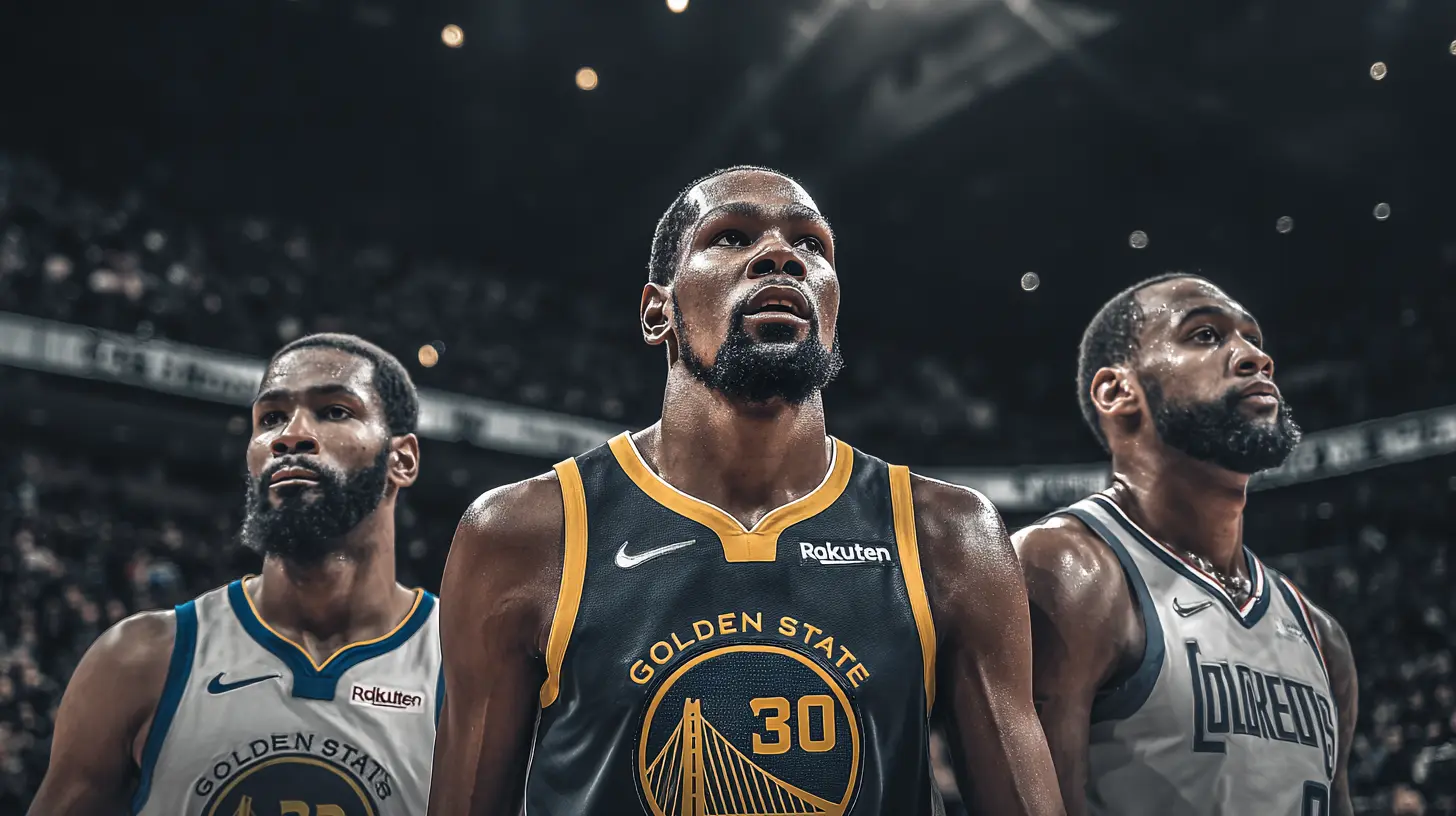
The Age Question: Decline Is Real, but It Is Not Linear
The most common mistake in projecting the 2026 Warriors is assuming age produces a smooth, predictable decline. It does not. Basketball aging curves are jagged. Skill-based players like Curry tend to age gracefully because shooting and decision-making do not evaporate overnight. Athleticism-dependent players fall off a cliff. The Warriors' core is mostly in the first category, with one important exception: the defensive workload.Here is the trade-off Golden State faces. Curry can still bend a defense at 37, but asking him to carry a heavy regular-season load to secure a top seed costs valuable playoff energy. The Warriors have historically managed this by prioritizing health over seeding, sometimes accepting a lower playoff position to keep their stars fresh. That strategy works when you are confident you can win road games. It becomes riskier as the margin for error shrinks.
The practical consequence: Golden State may enter the 2026 playoffs as a lower seed than their talent suggests. That creates opportunity for opponents. A team that secures home-court advantage against the Warriors gets a real edge, because Golden State's road playoff record, while respectable, is not what it was during the dynasty's peak.
What should readers take from this? Do not project the Warriors by their regular-season record. Project them by whether their stars are healthy in April and whether the supporting cast has been developed enough to absorb minutes. That is the real barometer.
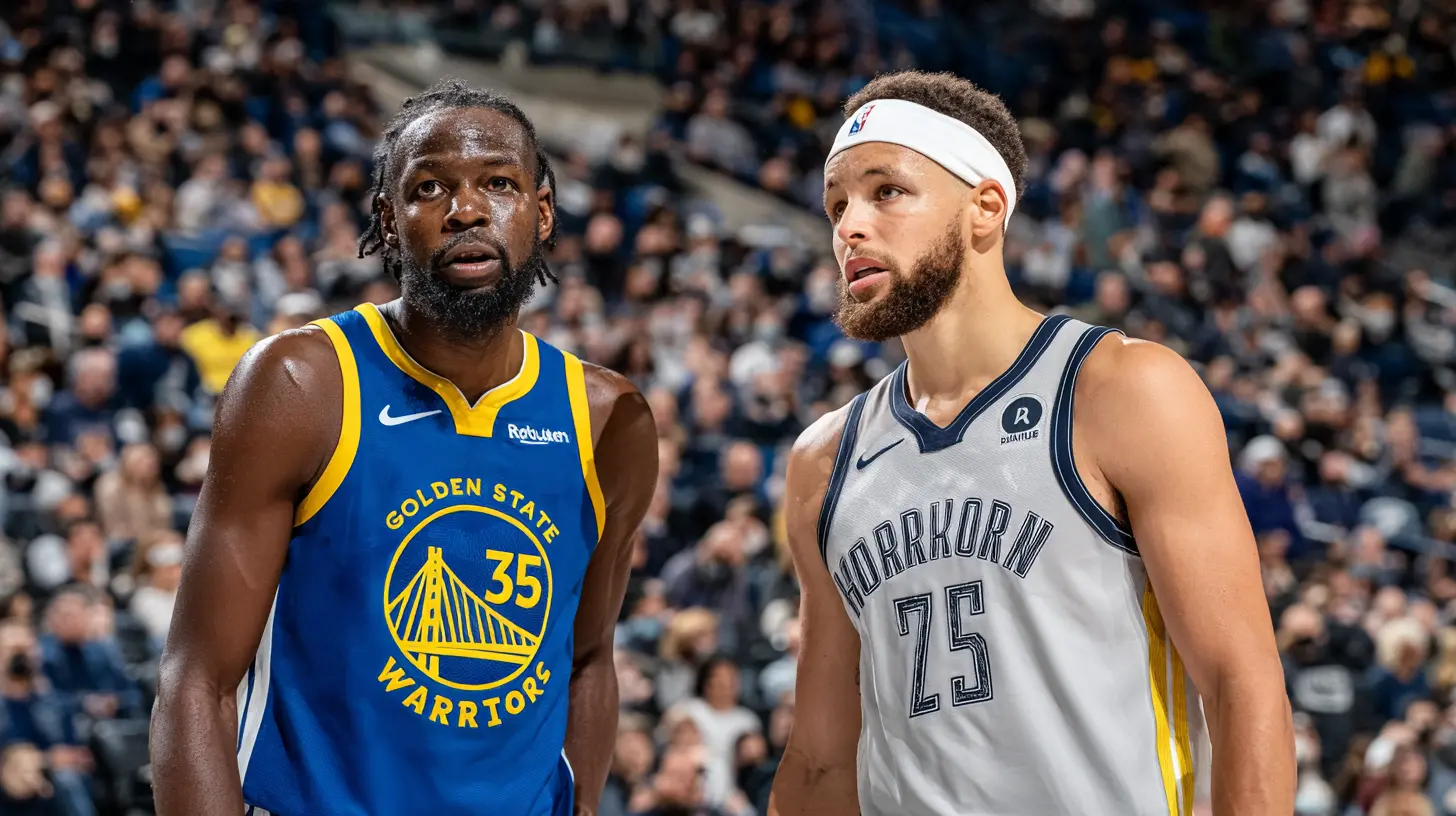
The Blueprint: What Beating Golden State Actually Requires
Teams that have beaten the Warriors in playoff series share identifiable traits. Understanding these traits is more useful than ranking rosters, because it explains why some talented teams fail against Golden State while less talented ones succeed.Defensive Scheme: Survive the Movement, Then Rebound
The first requirement is a defense that can handle off-ball chaos without breaking. Switching everything works only with the right personnel. Drop coverage gets shredded by Curry's pull-up threes. The most effective approach in recent years has been a hybrid: switch the primary actions, fight through off-ball screens with disciplined footwork, and keep a rim protector positioned to erase mistakes at the basket.This is harder than it sounds because it demands communication at a level most teams cannot sustain. One late rotation against Golden State turns into an open corner three. The teams that beat them typically have multiple defenders with high basketball IQ, not just athleticism.
The second half of this requirement is defensive rebounding. Golden State's small lineups concede size, and opponents who crash the offensive glass punish them. But crashing the glass aggressively leaves you vulnerable in transition, which is exactly where the Warriors want to run. The best counter is selective crashing: send two players with clear rebounding assignments and keep three back to stop the break. That requires discipline and clear roles, which is why coaching quality matters enormously in this matchup.
Offensive Scheme: Attack the Switching, Punish the Small Lineup
On offense, the goal is to force Golden State into the mismatches they cannot hide. When Draymond Green switches onto a bigger player, punish him on the block. When the Warriors go small, attack the offensive glass and generate second-chance points. When they double Curry, make the extra pass quickly and convert open threes.The teams that struggle against Golden State often make one of two errors. They either play too slowly, allowing the Warriors' half-court defense to set and communicate, or they play too fast and turn the ball over, feeding Golden State's transition attack. The sweet spot is controlled pace: push when the advantage is clear, but value possessions in the half court.
Depth: Surviving the Non-Curry Minutes
Playoff series are often decided in the six to eight minutes per game when the star sits. Golden State has historically won those minutes through system continuity and smart bench play. Opponents need bench units that can at least hold serve, ideally with a secondary creator who can run offense without turning it over.This is where roster construction gets expensive. Building a bench that survives playoff pressure usually means paying for a sixth man who could start elsewhere. Teams that skimp here often find themselves down double digits by the time their stars return.

The Contenders: Who Is Actually Built for This
With the blueprint established, we can evaluate the field honestly. The goal is not to list the best teams. It is to identify which teams have the specific tools to beat Golden State in a series.The Defensive Juggernauts
Teams built around elite defensive infrastructure present the clearest path. A roster with multiple switchable wings, a mobile rim protector, and a coach who emphasizes communication can make Golden State work for every basket. The trade-off is that such teams sometimes lack the shot creation to keep pace offensively. If they go cold for a quarter, the Warriors can build a lead that is hard to erase.The key question for these teams is whether they have a go-to scorer who can generate efficient offense late in games without relying on system execution. In a seven-game series, there will be possessions where the defense breaks down and someone has to make a play one-on-one. Teams without that player often lose close games against Golden State.
The Offensive Firepower Teams
The opposite approach is to outscore the Warriors. Teams with multiple high-usage scorers and elite three-point shooting can turn games into track meets. This works when the shooting holds up, but it is fragile. Golden State's defense is designed to force contested mid-range shots and punish turnovers. A team that relies on isolation scoring can find itself taking exactly the shots the Warriors want them to take.The better version of this approach pairs firepower with at least one elite defensive wing who can bother Curry. If you can slow Curry even slightly while scoring efficiently on the other end, you have a real chance.
The Balanced Contenders
The teams most likely to actually dethrone Golden State are the ones that check multiple boxes: switchable defense, a secondary creator, rebounding size, and playoff experience. These rosters are expensive and hard to build, which is why only a handful of teams realistically qualify.When evaluating a contender, ask three questions. Can they defend Golden State's motion offense without constant breakdowns? Can they punish small lineups on the glass? Do they have a player who can create a good shot when the system fails? Teams that answer yes to all three are genuine threats. Teams that answer yes to two are competitive but flawed. Teams that answer yes to one are hoping for a lucky shooting series.
Common Mistakes Teams Make When Building a Warriors Killer
Front offices have spent a decade trying to solve this puzzle, and the failures are instructive.The first mistake is overvaluing size without mobility. A traditional big man who cannot defend in space becomes a liability against Golden State's pick-and-roll and off-ball movement. He may help on the glass, but he gives up more than he gains if the Warriors target him every possession. The lesson: size matters only if it comes with enough foot speed to survive switches.
The second mistake is chasing shooting at the expense of defense. A team full of shooters can light up the scoreboard, but if it cannot get stops, it cannot win a playoff series against a team that executes in the half court. Golden State has consistently beaten teams that tried to outshoot them without matching their defensive intensity.
The third mistake is ignoring the mental component. Beating the Warriors requires composure. They go on runs. The crowd gets loud. Curry hits a logo three and the momentum shifts. Teams that panic and abandon their game plan lose. Teams that stay disciplined and trust their preparation win. This is why playoff experience matters so much in this matchup, and why young teams often struggle even when the talent is close.
The fourth mistake is misreading the regular season. A team can beat Golden State in January and still be poorly equipped for a playoff series. Regular-season games feature different rotations, less scouting, and lower stakes. The playoffs expose weaknesses that the regular season hides. Smart teams evaluate themselves against Golden State using playoff-style criteria, not regular-season results.
What Golden State Itself Must Get Right
It would be incomplete to analyze challengers without examining the Warriors' own vulnerabilities. Dethroning them is partly about opponents rising and partly about Golden State declining in specific, exploitable ways.The most significant risk is frontcourt depth. If the Warriors rely too heavily on small lineups, opponents with size and rebounding will punish them over a long series. Golden State needs at least one big man who can defend the paint without being a complete liability in space. Finding that player at a reasonable cost is one of the front office's central challenges.
The second risk is shot creation beyond Curry. As the core ages, the burden of generating offense in late-clock situations grows. If the Warriors do not have a reliable secondary creator, defenses can load up on Curry and force someone else to beat them. Jimmy Butler helps here, but his age and injury history are real concerns.
The third risk is health. This is not a strategic insight so much as a hard truth. A 37-year-old Curry and a 35-year-old Green are more likely to miss time than they were five years ago. Golden State's depth and load management will determine whether they enter the playoffs at full strength.
The takeaway for readers: the Warriors are still dangerous, but their margin for error is thinner than it was during the dynasty's peak. That does not make them vulnerable in the regular season. It makes them vulnerable in specific playoff matchups against teams built to exploit their weaknesses.
Practical Guidance: How to Evaluate a Contender's Chances
If you want to assess whether a team can beat Golden State in 2026, here is a practical framework.Start with defense. Can the team's best five-man lineup switch screens without creating obvious mismatches? Do they have a rim protector who can also defend in space? Can they rebound defensively without sacrificing transition defense? If the answer to any of these is no, the team is probably not equipped for a seven-game series.
Move to offense. Does the team have a player who can create efficient shots late in games? Can they punish small lineups on the offensive glass? Do they have enough shooting to make Golden State pay for doubling Curry? A team that cannot answer these questions will struggle to keep pace.
Then assess depth and coaching. Can the bench survive the non-star minutes? Does the coach have a track record of making playoff adjustments? Golden State's staff is excellent at exploiting predictable schemes, so opponents need coaches who can adapt within a series.
Finally, consider health and experience. A team with a strong roster but no playoff experience often folds under pressure. A team with experience but injury concerns may not reach the matchup at full strength. Both factors matter more than regular-season record.
The Verdict: Yes, but the List Is Short
Can any team dethrone the Warriors in 2026? Yes. The Warriors are not invincible, and the league has spent years building rosters designed to beat them. But the list of teams genuinely equipped to do it is shorter than the list of teams that believe they are.The teams with the best chance share a profile: switchable defense, a secondary creator, rebounding size, and playoff experience. They do not need to be better than Golden State across 82 games. They need to be better across seven, and they need to be healthy when the series begins.
The most likely outcome is not a single team "solving" the Warriors. It is a playoff field where several teams have a realistic path, and the series is decided by matchups, health, and execution. Golden State's experience gives them an edge in close games, but that edge shrinks as the core ages.
For readers making decisions, whether as analysts, fans, or fantasy players, the practical advice is this: evaluate contenders by matchup fit, not by reputation. A team that looks dominant in the regular season but lacks switchable defenders will struggle against Golden State. A team that looks flawed but has the right defensive personnel and a late-game creator may be the real threat.
The Warriors remain a championship-caliber team as long as Curry is healthy and the supporting cast holds up. But the gap between them and the field has narrowed. In 2026, more than any season in recent memory, the answer to "can anyone dethrone them" is a genuine yes, provided the right team is healthy, prepared, and built for the specific challenge.
all images in this post were generated using AI tools
Category:
Season ExpectationsAuthor:

Preston Wilkins

