Building an Itinerary Around the 2027 Cricket World Cup
2 September 2026
The 2027 Cricket World Cup is not just a tournament. It is a month-and-a-half-long festival of cricket spread across three countries, multiple time zones, and some of the most passionate fan bases on the planet. Planning a trip around it requires more than booking a flight and hoping for the best. You need a strategy that balances match days, travel logistics, sightseeing, and the unavoidable reality that cricket schedules shift.
This guide is for the supporter who wants to see live cricket, absorb local culture, and return home without a horror story about missed connections or wasted days. Whether you are following one team through the group stage or just want to sample the atmosphere at a few marquee matches, the principles here will help you build a workable, enjoyable itinerary.

Understanding the Host Countries and the Travel Reality
The 2027 edition is jointly hosted by South Africa, Zimbabwe, and Namibia. That is a massive geographic footprint. Johannesburg to Harare is roughly a two-hour flight, but Harare to Windhoek is another two and a half hours, and getting between the coastal cities of South Africa can eat up a full day. You are not hopping on a train between venues like you might in England or India. You are dealing with regional airlines, border posts, and the occasional long road transfer.This tri-nation setup is a double-edged sword. On one hand, you get variety: the high-altitude pace of the Wanderers in Johannesburg, the spin-friendly surfaces in Harare, and the unique, small-ground atmosphere in Windhoek. On the other hand, every border crossing adds friction. Your itinerary must treat travel days as separate events, not afterthoughts.
A common mistake is trying to see too much. A fan who wants to watch India play in Cape Town, then England in Gqeberha, then Australia in Harare is essentially booking a continental tour with cricket as a side quest. That can work if you have six weeks. It will crush you if you have two. The smart approach is to pick a base region and commit to it, or to structure your movement in a straight line rather than a zigzag.
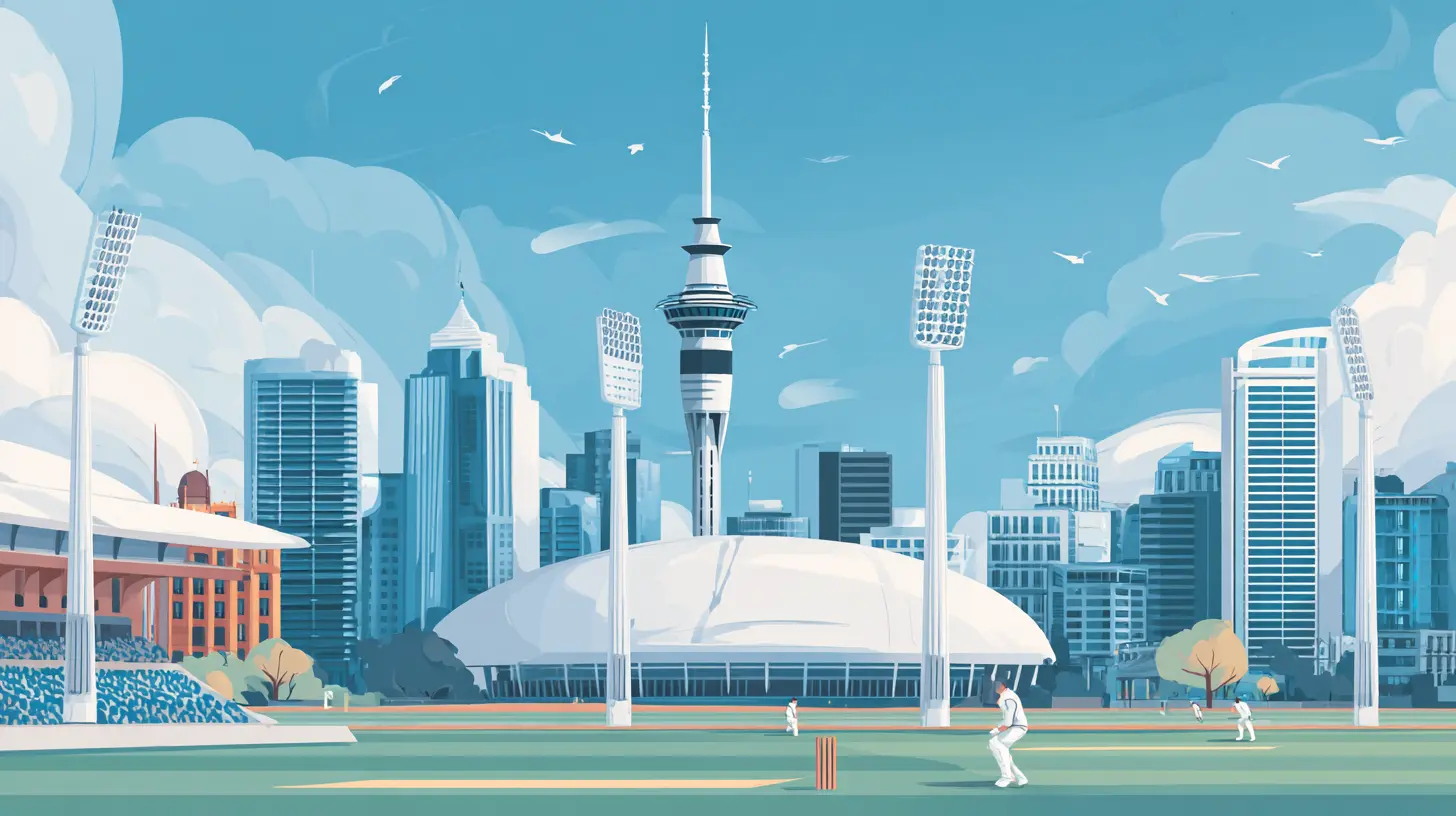
The Match Schedule Is Your Backbone, Not Your Prison
The ICC releases a full fixture list well in advance, but you should treat the group-stage schedule as a draft, not a final document. Weather, broadcast demands, and even political considerations can shift matches. More importantly, you do not know which teams will advance until the tournament is underway.For a practical itinerary, build your travel around the first two weeks of the group stage. That period is fixed. You know the venues, the dates, and the matchups. Once the tournament moves into the Super Six and knockout phases, the schedule becomes a puzzle you cannot solve in advance. If you are a neutral fan, you can enjoy the group stage and then decide on the fly. If you are following a specific team, you must accept that their path to the final is unpredictable, and your itinerary should have built-in flexibility for that.
The best advice is to book your international flights and accommodation for the first ten days of the tournament, plus a buffer at the end. Leave the middle of your trip open. Use short-haul flights and refundable hotel bookings to adapt. This feels chaotic, but it is the only way to avoid the disappointment of booking a ticket for a match that ends up being a dead rubber or, worse, a match that gets moved to a different city.

Choosing Your Base City: The Logistics of Venues
South Africa alone has multiple venues, and they are not close together. Johannesburg (Wanderers), Cape Town (Newlands), Gqeberha (St George's Park), Durban (Kingsmead), and Centurion (SuperSport Park) are the main grounds. Each has a distinct character.Johannesburg and Centurion are effectively a single travel hub. They are about forty minutes apart by car, and both sit on the highveld, where the altitude makes the ball fly and bowlers tire quickly. If you want to see high-scoring games and stay in a city with endless accommodation options, base yourself in Johannesburg. You can easily attend matches at both grounds without changing hotels.
Cape Town is a different world. Newlands is one of the most beautiful cricket grounds on Earth, set against Table Mountain. But the city is a dead end geographically. You cannot easily combine it with other venues. If you are only going to see one or two matches, Cape Town is a fantastic choice. If you are trying to see five or six games across the country, Cape Town should be your final stop, not your starting point.
Durban and Gqeberha are coastal, humid, and often windy. They offer a different cricketing challenge, and the crowds are loud and knowledgeable. However, these cities are less connected by air. Gqeberha, in particular, requires a connecting flight from Johannesburg or a long drive. Do not underestimate that drive. It is about 1,000 kilometers from Johannesburg to Gqeberha, which is a solid eleven hours on the road. That is not a day trip.
For Zimbabwe and Namibia, the options are simpler. Harare is the sole major venue in Zimbabwe, and Windhoek is the only real ground in Namibia. You will base yourself in those capitals and plan around match days. These are smaller operations, with fewer flights and less hotel capacity, so booking early is non-negotiable.

How to Structure a Two-Week Itinerary
Let us assume you have two weeks, which is the most common vacation length for international fans. Here is a realistic template for a South Africa-focused trip.Start in Johannesburg. Land, get over the jet lag, and spend two days acclimatizing. The Wanderers is a fantastic ground for a first match because the atmosphere is electric and the stadium is close to the city center. Book a match there for day three or four. Use the days before the match to visit the Apartheid Museum and the Maboneng Precinct. Do not try to squeeze in a safari before your first game. You will be exhausted, and cricket deserves your full attention.
After the match, move to Centurion for the next game. It is a short hop, and you can stay in the same hotel in Johannesburg if you want to minimize packing. Then, instead of flying straight to Cape Town, consider a detour to the Kruger National Park for three days. This is a natural break in the cricket calendar. The tournament has rest days, and using them for wildlife is a huge win. Many tour operators run packages from Johannesburg to Kruger, and you can fly back to Johannesburg to catch a connecting flight to Cape Town.
Finish your trip in Cape Town. Spend four days there, attending one match at Newlands and using the other days for Table Mountain, the Cape Winelands, and the penguins at Boulders Beach. This itinerary gives you three or four matches, a safari, and a coastal city experience, all without insane travel days.
The Zimbabwe and Namibia Add-On
If you want to include Harare or Windhoek, the math changes. The easiest way is to start in Johannesburg, fly to Harare for a group-stage match, then fly back to Johannesburg and continue your South African leg. The flights are short, but the border formalities and airport queues can add two hours each way. Treat the Harare trip as a two-night detour, not a day trip.For Namibia, Windhoek is even more isolated. There are direct flights from Johannesburg and Cape Town, but they are not frequent. You may need to plan your entire trip around a single match in Windhoek. That is a reasonable choice if you want to see a smaller venue and experience a less commercialized cricket atmosphere. The ground in Windhoek is intimate, and you will be closer to the action than at any major South African stadium. But the trade-off is that you will spend a full day traveling for a single game.
A common mistake is trying to combine Harare and Windhoek in one trip. The overland distance between them is over 2,000 kilometers, and there are no direct flights. You would lose two full days in transit for a marginal gain. Pick one, not both.
Booking Flights and Accommodation Strategically
The biggest mistake fans make is booking non-refundable, non-changeable flights for every leg of the journey. Cricketing schedules are not like airline timetables. They change. A rain-affected match can push a knockout game to a reserve day, and if your flight leaves on that reserve day, you are stuck.For intercity travel within South Africa, use the budget airlines like FlySafair and Airlink. They are reliable and frequent, and they often have flexible fares for a small premium. Pay that premium. It is worth it.
For accommodation, avoid booking a single hotel for the entire trip. Instead, book a refundable rate for the first few nights in each city. Once the match schedule is confirmed and you know your team's path, you can lock in the rest. This is especially important in Cape Town and Durban, where hotel prices surge during the tournament.
Another practical tip: consider staying outside the city center. Johannesburg's northern suburbs, like Sandton and Rosebank, are safer and more convenient for the Wanderers than downtown hotels. In Cape Town, staying in the southern suburbs, near Newlands, is better than staying in the city bowl if you are there for cricket. You can walk to the ground, avoid the post-match traffic, and enjoy the leafy residential atmosphere.
What to Do on Non-Match Days
A cricket tour is not just about the cricket. The 2027 World Cup is a chance to see three very different countries, and your itinerary should reflect that.In South Africa, the non-match days are your opportunity for the big-ticket experiences. The Kruger National Park is the obvious one, but do not overlook the Drakensberg Mountains for hiking, or the Garden Route for a coastal drive. If you are in Johannesburg, a day trip to the Cradle of Humankind is a unique experience that few tourists consider. In Cape Town, the winelands of Stellenbosch and Franschhoek are world-class, and the drive along Chapman's Peak is unforgettable.
In Zimbabwe, the must-do is Victoria Falls. It is a short flight from Harare, and it is one of the Seven Natural Wonders of the World. The falls are at their most dramatic in the months around the World Cup, which typically falls in the southern hemisphere spring. Combine a match in Harare with a two-day trip to the falls, and you have a bucket-list itinerary.
In Namibia, the highlight is the Namib Desert and the dunes at Sossusvlei. It is a long drive from Windhoek, so you need at least two full days. If you are only in Windhoek for a single match, you might have to skip the desert. That is a painful trade-off, but it is better to accept it than to rush a visit and spend your entire time in a rental car.
Budgeting and Hidden Costs
Most fans underestimate the cost of getting around. Flights between South African cities are not expensive, but they add up. A domestic round-trip ticket can cost between 150 and 250 US dollars. If you are flying to Harare and Windhoek, those international fares are higher, and you will pay airport taxes in local currency.Do not forget the cost of visas. South Africa allows many nationalities visa-free entry, but Zimbabwe and Namibia have different rules. Check the requirements well in advance. Some passports need a visa on arrival, which means carrying cash in the correct currency. The logistics of this are tedious, but a missed visa stamp can ruin a trip.
Match tickets themselves are another major line item. Premium seats for marquee matches, like India versus Pakistan or the final, can be expensive. They are also sold in packages, so you may need to buy a multi-match bundle to secure a seat for the game you really want. Factor that into your budget. If you are flexible about which matches you attend, you can save a lot of money by buying tickets for less popular fixtures and watching the big games at a fan park or a sports bar.
The Reality of Travel Insurance and Health Prep
This is not a fun topic, but it is essential. You are traveling across multiple countries in southern Africa, and medical facilities vary wildly. Johannesburg and Cape Town have excellent private hospitals. Harare and Windhoek have decent facilities, but you do not want to rely on them for anything serious.Buy comprehensive travel insurance that covers medical evacuation. This is non-negotiable. A broken leg in a remote part of Zimbabwe could cost you tens of thousands of dollars to evacuate to a proper hospital. Insurance is cheap compared to that risk.
Health-wise, you need to consider malaria prophylaxis if you are going to Kruger or Victoria Falls. The risk is seasonal, and the World Cup window may or may not be high season. Consult a travel clinic before you go. Also, make sure your routine vaccinations are up to date. Yellow fever vaccination is required if you are coming from certain countries, and you will need to show the certificate at the border.
Common Mistakes and How to Avoid Them
The most common mistake is overplanning the cricket and underplanning the travel. Fans obsess over which match to see and then realize they have no idea how to get from the stadium to their hotel, or that they booked a flight that leaves three hours after a match that runs into the evening.Another mistake is ignoring the weather. South Africa in October and November can be unpredictable. Johannesburg gets afternoon thunderstorms. Cape Town can have strong winds, especially at Newlands, where the famous "Cape Doctor" can blow all day. Pack layers, bring a rain jacket, and do not book a flight on the same day as a match unless it is very late in the evening.
A third mistake is assuming that the fan experience will be like the IPL or the Big Bash. It will not be. The atmosphere at a World Cup group-stage match between two non-marquee teams can be surprisingly subdued. The big parties happen for the big games. Do not be disappointed if a Tuesday afternoon match in Gqeberha feels more like a county game than a festival. The intensity picks up as the tournament progresses.
The Value of Flexibility and a Backup Plan
The single most important skill for a World Cup traveler is adaptability. You need a plan, but you also need to know when to abandon it. If your team loses early and gets eliminated, do you really want to spend four more days in a city watching other teams play? Maybe not. That is when you shift to a purely tourist mode and use the time for sightseeing.Conversely, if your team keeps winning and reaches the semifinals, you want to be able to change your flights and extend your stay. That is why flexibility in bookings matters so much. A rigid itinerary is a liability.
A good backup plan is to have a list of alternative matches that you would be happy to attend. If the match you wanted to see is sold out or rescheduled, you can pivot to a different game. Also, have a list of non-cricket activities that you can slot in on a rest day. This keeps your trip from collapsing when the schedule shifts.
Final Thoughts on Building Your Trip
The 2027 Cricket World Cup is a rare opportunity to see world-class cricket in three distinct and beautiful countries. The key to a successful itinerary is to treat the tournament as a framework, not a fixed plan. Build a solid foundation for the first two weeks, leave room for spontaneity, and prioritize the experience over the checklist.Start with a realistic assessment of how many matches you can actually see without turning your vacation into a logistical nightmare. Choose a base region and commit to it. Book flexible flights and refundable hotels. Plan your non-match days with as much care as your match days. And always, always have a backup plan.
If you do that, you will come home with memories of great cricket, stunning landscapes, and the unique buzz of a World Cup in southern Africa. You will also come home without the horror stories that plague the overambitious traveler.
all images in this post were generated using AI tools
Category:
Sports TravelAuthor:

Preston Wilkins
Discussion
rate this article
2 comments
Nancy Sawyer
Exciting times ahead! Can't wait for the matches!
September 21, 2026 at 11:36 AM
Alanna Lambert
Exciting times ahead with the 2027 Cricket World Cup! It's the perfect opportunity to explore new places, enjoy the game, and soak in the amazing atmosphere. Can't wait to see the action unfold and make unforgettable memories!
September 2, 2026 at 3:47 AM