Breaking the Mold: Underdogs Who Changed the Game Forever
18 March 2026
When we think about sports history, our minds often gravitate toward the superstars—the names that dominate headlines, break records, and carry teams to championships. But every now and then, someone comes along who’s not supposed to win. They're too small, too slow, too inexperienced, or just not taken seriously. But against all odds, they rise, fight, and flip the script. These are the underdogs. And they’re the ones who remind us why we love sports in the first place.
So buckle up. We're going on a journey through grit, heart, and unforgettable moments from real-life sports underdogs who changed the game forever.
What Makes an Underdog So Inspiring?
Let’s start with the basics: why do we even root for the underdog?It’s simple. Underdogs represent hope. They remind us that anything’s possible when you have the heart to chase it. People love a good comeback, an unexpected victory—the kind of stories that make you believe in magic, even if just for a moment.
It’s not just about winning. It’s about challenging the status quo, punching up, and leaving your mark when everyone else counted you out.
And believe me, there are plenty of stories that still give us goosebumps.
Leicester City: The Premier League Miracle
Let’s rewind to 2015–2016. Leicester City, a soccer club that was almost relegated the year before, starts their Premier League season as 5000-to-1 underdogs. That’s the same odds as Elvis being found alive or Bigfoot being real.Fans hoped they'd survive the season. Not dominate it.
But Claudio Ranieri’s squad had different plans. Led by Jamie Vardy, Riyad Mahrez, and a relentless work ethic, Leicester didn’t just hold their own—they topped the league.
By the end of the season, they were champions. Real ones. No fluke, no luck—just pure determination and teamwork.
The world was stunned, but the message was clear: never write off the little guy.
Kurt Warner: From Supermarket to Super Bowl
Imagine stacking shelves at a grocery store, dreaming about the NFL. That was Kurt Warner’s reality.Undrafted and unwanted, Warner’s football career seemed dead in the water. But he didn't give up. He played in the Arena Football League and NFL Europe before finally getting a shot with the St. Louis Rams.
When their starting quarterback got injured, Warner stepped in. And what did he do? Just led “The Greatest Show on Turf” and took them all the way to a Super Bowl win in 1999, earning league MVP honors along the way.
From bagging groceries to hoisting the Lombardi Trophy? Yeah, that’s a movie-worthy leap.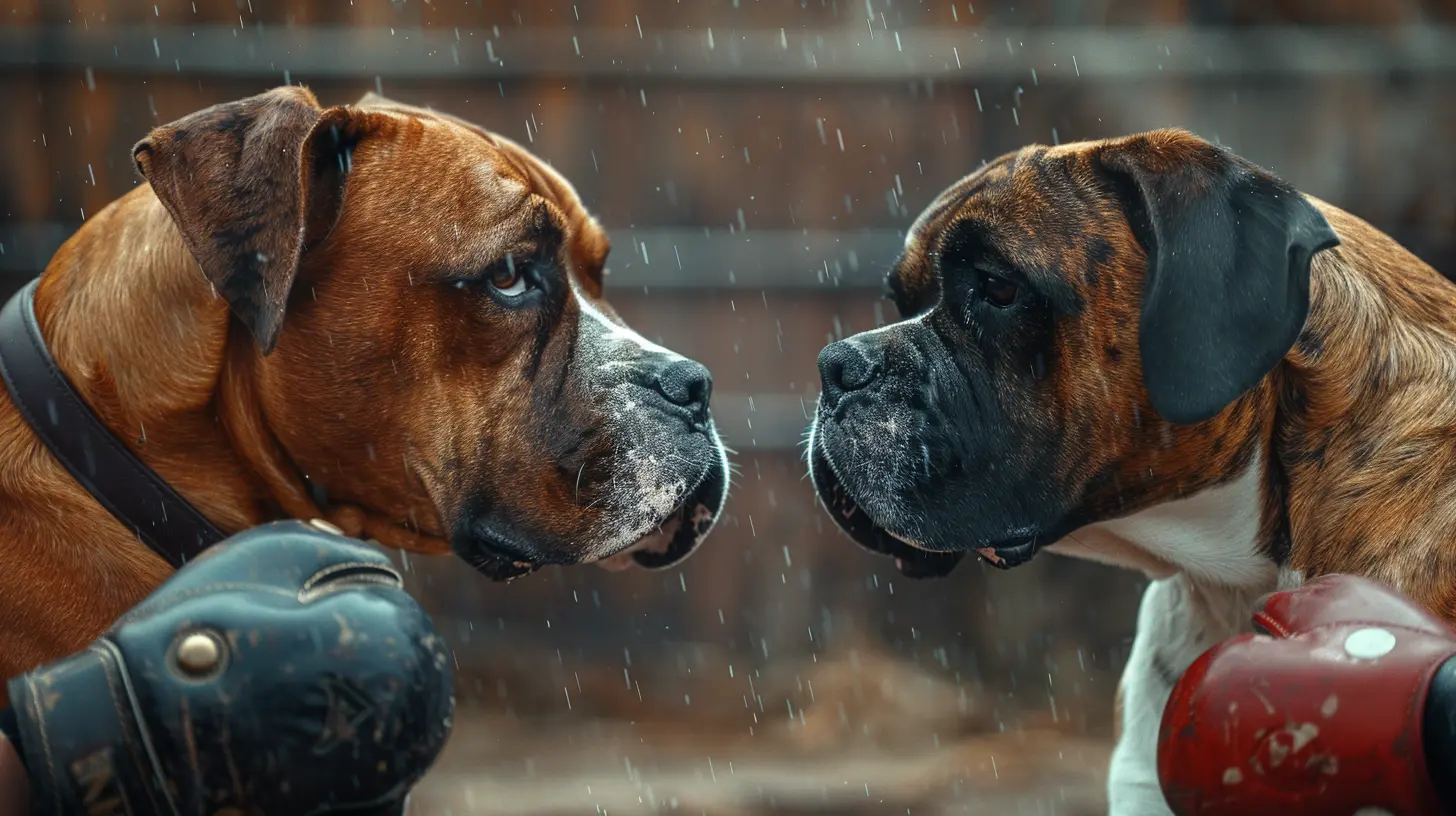
Buster Douglas: The Knockout Heard 'Round the World
No one—and I mean no one—thought James “Buster” Douglas would beat Mike Tyson in 1990. Tyson was undefeated, seemingly invincible, and considered the most feared man in boxing.Douglas? Well, he was just a big guy with a big punch, coming off a few decent fights.
But in Tokyo, Douglas shocked the world. He weathered Tyson’s fury, knocked him out in the 10th round, and redefined what an underdog could achieve.
That fight didn’t just shake boxing—it made people believe that fear and hype can be overcome with courage and preparation.
The U.S. Men’s Hockey Team: The Miracle on Ice
It’s 1980. Cold War tensions are high. The Soviet Union’s hockey team is practically a machine—elite, experienced, unbeatable. And the U.S. team? A bunch of college kids, amateurs, and hopefuls.In the Winter Olympics semi-final, those kids pulled off what many call the greatest upset in sports history.
Against all odds, they beat the Soviets 4–3 in a game that sent shockwaves around the world. Two days later, they took gold by beating Finland.
It wasn’t just a game. It was a symbol of resilience, belief, and unity.
Rulon Gardner: The Wrestler Who Beat the Unbeatable
Greco-Roman wrestling legend Aleksandr Karelin had not lost in 13 years. He hadn’t even given up a single point in six years. The dude was a literal tank.Enter Rulon Gardner, a farm boy from Wyoming. He looked like your average Joe—not an Olympic giant slayer.
But at the 2000 Sydney Olympics, Gardner stunned the world by defeating Karelin in one of the biggest Olympic upsets ever.
He didn’t just win a match. He ended a dynasty and became a symbol of American perseverance.
Venus Williams: Breaking Barriers and Expectations
Yes, Venus Williams is a legend now—but don’t forget she started as a young Black girl from Compton, stepping into a sport long dominated by privileged elites.From the get-go, she had to prove she belonged. She not only powered through barriers of race and gender in tennis but also brought raw talent, confidence, and swagger that changed the sport.
Her rise wasn’t just about trophies; it reshaped what tennis could be, who could play, and how the game would evolve.
Sometimes the underdog isn’t just fighting for themselves—they’re fighting for representation.
The 2007 Appalachian State Mountaineers: The Day a Giant Fell
How does a team from the Football Championship Subdivision (FCS) take down the No. 5 ranked team in the whole country?Ask Appalachian State. In 2007, they marched into Michigan’s Big House and pulled off a last-second win in front of 100,000 stunned fans.
Michigan had the size, the talent, the prestige—but App State had belief, speed, and nothing to lose.
In one of the most unforgettable upsets in college football history, they proved that heart can shake giants to the ground.
Simone Biles: The Underdog Who Became a GOAT
Wait—Simone Biles, an underdog? Absolutely, especially in her early days.She was bounced around foster care, smaller than most gymnasts, and not taken seriously at first. But her mental toughness, power, and groundbreaking routines turned her into one of the greatest gymnasts of all time.
She didn’t just win medals. She owned the mat, raised the bar (literally), and did moves no one else could. All while keeping it real about the mental health struggles that come with elite competition.
Sometimes being the underdog isn’t about being unknown—it’s about breaking through even when the odds say you shouldn’t.
The Story Continues...
Every year, in every sport, new underdog stories unfold.Maybe it’s the rookie who no one believed in. Maybe it’s a team that lost 10 straight and found their way back in. Maybe it’s the athlete who lost everything and still came back stronger.
You see, we don’t just love sports for the talent and the stats. We love them for the stories. And there’s no story more human, more raw, or more motivational than the rise of the underdog.
They’re the reminder that yes, dreams are hard—but not impossible.
Why These Stories Matter Beyond the Game
Underdogs inspire far beyond the playing field. They show us the value of grit, heart, and staying defiant in the face of doubt.You don’t have to be a pro athlete to understand that.
Maybe you’re facing your own "Goliath" today—a job interview, a personal setback, or a challenge that feels bigger than you.
When that happens, remember the stories we talked about. Tap into that underdog energy. Get up, show up, and fight back.
Because history doesn’t just remember the winners.
It remembers those who changed the game.
Final Thoughts
Being an underdog isn’t a weakness—it’s a superpower. It’s the fuel that drives people to push harder, dream bigger, and prove the doubters wrong. From Leicester City’s unthinkable title to Buster Douglas’ knockout punch heard around the world, these moments are more than just wins. They’re seismic shifts in sports history.And the best part? The next great underdog story could be unfolding right now. Maybe even in your own journey.
So root for the long shots. Cheer for the misfits. And never count out the ones who were told they couldn’t.
Because when underdogs rise, the whole world watches in awe.
all images in this post were generated using AI tools
Category:
Underdog StoriesAuthor:
Preston Wilkins
Discussion
rate this article
2 comments
Archer Forbes
This article brilliantly highlights how underdogs redefine expectations, proving that determination and resilience can disrupt established norms in sports.
April 12, 2026 at 11:20 AM
Preston Wilkins
Thanks for your thoughts! I'm glad you found the article inspiring. Underdogs truly have a unique way of changing the game.
Duke Chapman
Who knew that sometimes being the underdog means you actually uncover the hidden talent of a truffle pig? Here’s to the unexpected heroes who made the sports world oink with excitement!
March 18, 2026 at 1:48 PM
Preston Wilkins
Love this. Exactly right—sometimes the "underdog" is just a hidden talent waiting for the right mud to sniff in. Cheers to the unexpected heroes who made us all squeal with delight.