Breaking Down the New Concussion Protocols in Sports
13 November 2026
Sports have always been about passion, competition, and pushing the limits. But let’s face it — they’ve also carried risks, especially when it comes to head injuries. Over the years, concussions have turned from a hushed-up sideline issue into a front-page headline topic. And rightfully so.
Whether it's a bone-crunching tackle in football, a brutal header clash in soccer, or a surprise jab in a boxing ring, athletes in all sports face the danger of blows to the head. And the long-term consequences? They’re no joke. Think memory loss, depression, or even early-onset dementia. That's why the sports world is finally stepping up its game with new and improved concussion protocols.
So, what's changed? Why now? And more importantly, how will these changes affect athletes, coaches, and even us — the fans? Let’s break it all down, piece by piece.
? What Exactly Is a Concussion?
Before we dive into what's new, let's make sure we're all on the same page about what a concussion really is.A concussion is a type of traumatic brain injury (TBI). It usually happens when you get a bump, blow, or jolt to the head — or even to the body — that causes the brain to move quickly back and forth. That sudden motion can cause chemical changes in the brain and, in some cases, damage brain cells.
And here’s the kicker — you don’t need to lose consciousness to have a concussion. In fact, most people don’t. Symptoms can show up right away or creep in hours (even days) later.
Some common symptoms?
- Headache or pressure in the head
- Confusion or feeling ‘foggy’
- Dizziness
- Nausea or vomiting
- Trouble sleeping
- Mood swings
Sounds serious? That’s because it is. The brain doesn’t heal like a sprained ankle.
? Why Concussions Became a Hot Topic in Sports
For decades, concussions in sports were brushed off as “just getting your bell rung.” Players would shake it off, take a water break, and jump back in. But science started catching up — and the findings weren’t pretty.A lot of the change in attitude comes down to research and high-profile cases. The NFL, for example, has been under the microscope for how it handled concussions. Shocking stories about former players suffering from CTE (Chronic Traumatic Encephalopathy) — a degenerative brain condition linked to repeated head injuries — made headlines and led to major lawsuits.
It wasn’t just football either.
- Hockey players began speaking out.
- Soccer players raised concerns over heading the ball.
- Rugby, MMA, and even youth leagues started rethinking how they handle head injuries.
Basically, the more we learned, the more obvious it became: the old ways weren’t cutting it.
? The Big Changes: What’s New in Concussion Protocols?
Alright, here’s the meat of the matter — the new concussion protocols. Sports leagues at every level, from the pros down to pee-wee leagues, are rolling out updated rules that focus on safety, accountability, and recovery.Let’s unpack the biggest shifts:
1. Immediate Removal from Play
No more “toughing it out.” If a player shows signs of a possible concussion, they’re out. Simple as that. No arguments, no second chances.Trainers and medical staff now have the authority to pull players for evaluation, even if the coach protests. The goal? Reduce the pressure on athletes to play hurt, especially with head injuries.
2. Independent Concussion Spotters
You’ll now find independent medical professionals — not affiliated with either team — watching games from the press box or sideline with one job: spotting concussions.They’re trained to watch for signs like:
- Unsteady gait
- Slow to get up
- Blank stares
- Confusion or disorientation
And yes, they can overrule coaches and staff. It’s a huge win for player safety.
3. Baseline Testing
Before the season even starts, many athletes undergo a series of cognitive and physical tests to measure their normal brain function. Why?So if they do get a concussion later, doctors can compare post-injury test results to their own "baseline" to assess how serious the injury is.
It’s like having a mental blueprint to refer back to.
4. Gradual Return-to-Play Protocols
In the past, some players would return to action just days after a head injury. Now? Not so fast.Most sports now follow a step-by-step return-to-play guideline. Here's a simple breakdown:
1. Rest (no physical or cognitive activity)
2. Light aerobic exercise
3. Sport-specific drills
4. Non-contact practice
5. Full-contact practice (if cleared)
6. Game time!
Each step needs medical clearance to proceed. And if symptoms return? Back to square one.
5. More Attention to Youth Sports
Young athletes are more vulnerable to concussions and their effects. Many youth leagues now follow “when in doubt, sit them out” rules. Some are even considering limiting contact drills during practices or banning headers in soccer for players under a certain age.Protecting young brains? That’s a no-brainer.
6. Concussion Education for Everyone
Not just the medical staff — coaches, players, parents, and even referees are getting trained on concussion signs and what to do. Some states in the U.S. even require mandatory concussion certification for youth sports coaches.Knowledge is power, after all.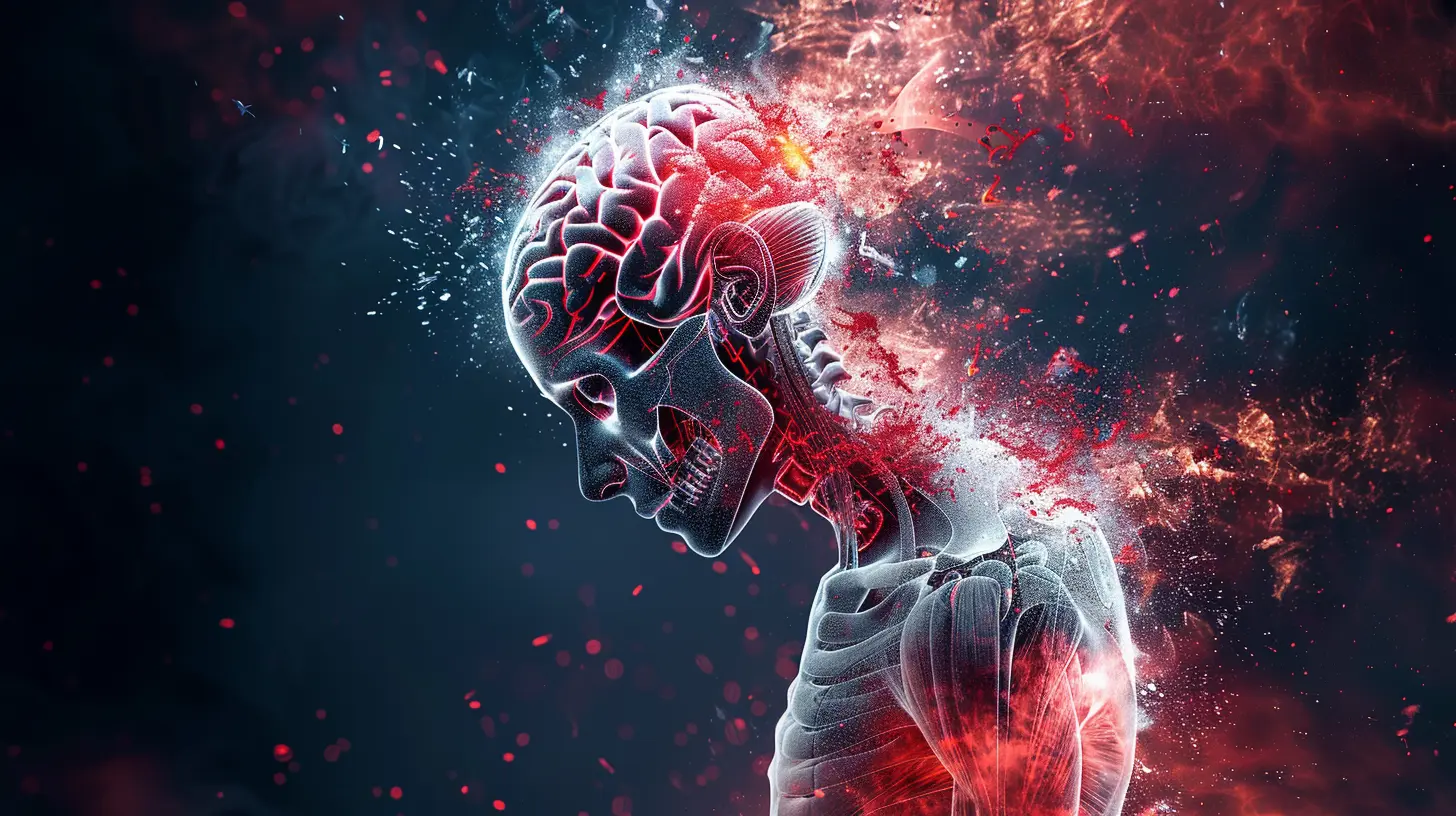
? The Science Behind the Shift
What drove these sweeping changes? Let’s talk science for a minute — don’t worry, we’ll keep it simple.Recent brain studies have connected repeated concussions (and even "sub-concussive" hits) with serious, long-term problems. Think memory loss, depression, anxiety, aggression, and even suicidal thoughts.
CTE, as mentioned earlier, is a big culprit. It's a progressive brain disease found in athletes with a history of repeated brain trauma. What’s scary? CTE can only be definitively diagnosed after death.
So basically, the science is telling us what athletes have been feeling for decades: repeated brain hits mess you up, often in ways that don’t show up till years later.
? What This Means For The Future Of Sports
So where do we go from here? The good news is — we’re finally treating concussions with the seriousness they deserve. But there are still hurdles.Some things to keep an eye on:
- Technology Advancements: Think smart helmets that measure impact or mouthguards that track head movement.
- Rule Changes: Like outlawing certain types of hits or lowering the number of contact practices.
- Cultural Shifts: Moving away from the “tough it out” mentality and towards putting health first.
And honestly, it’s about time.
? Tough Questions We Still Need to Ask
These new protocols are a big step forward — but they’re not perfect. There’s still plenty of debate out there.For example:
- Are we doing enough to protect athletes in less-funded programs?
- Will refs and coaches really stick to the rules when the pressure’s on?
- How do we balance safety without killing the competitive spirit?
There aren’t always clear answers. But talking about it? That’s how we start to figure things out.
? The Bottom Line: Safety Is a Game-Changer
When it comes to sports, there’s nothing wrong with playing hard — but playing safe has to come first. The new concussion protocols represent a mindset shift: from “win at all costs” to “win smart, stay healthy.”These changes are helping athletes play longer, live better lives after retirement, and most importantly — protect the brains that make them who they are.
So next time you see a player pulled from a game for a concussion check, don’t groan — celebrate. It means the system is working.
? Final Thoughts
Concussions are more than a sports injury. They’re a life-altering event, and once we all start treating them that way — fans, coaches, athletes alike — we create a safer playing field for everyone.Sure, the new protocols add more stops and checks to what used to be a full-speed game. But that’s not a bad thing. Because protecting the athlete is part of protecting the game.
And hey, if giving the brain time to heal means more epic comebacks and fewer heartbreaking headlines? That’s a win in any playbook.
all images in this post were generated using AI tools
Category:
New RulesAuthor:

Preston Wilkins