Anticipating the Return of Dominant Pitching in 2026
1 October 2026
Something has been off in baseball for a few years now. The baseball itself changed. Hitters adapted. Bullpen usage exploded. And somewhere along the way, the traditional starting pitcher, the workhorse who throws 200 innings and owns a game from the first pitch to the last, became something closer to an endangered species. But the pendulum swings. It always does. And there are real, structural reasons to believe that 2026 could mark the beginning of a genuine return to dominant pitching at the major league level.
This is not a prediction built on nostalgia. It is an argument built on roster construction trends, rule changes already in motion, developmental pipelines that take years to bear fruit, and the simple economic logic that governs how front offices allocate money. Let's break down why dominant pitching is positioned to come back, what form that return will take, and how fans, analysts, and fantasy players should prepare for it.
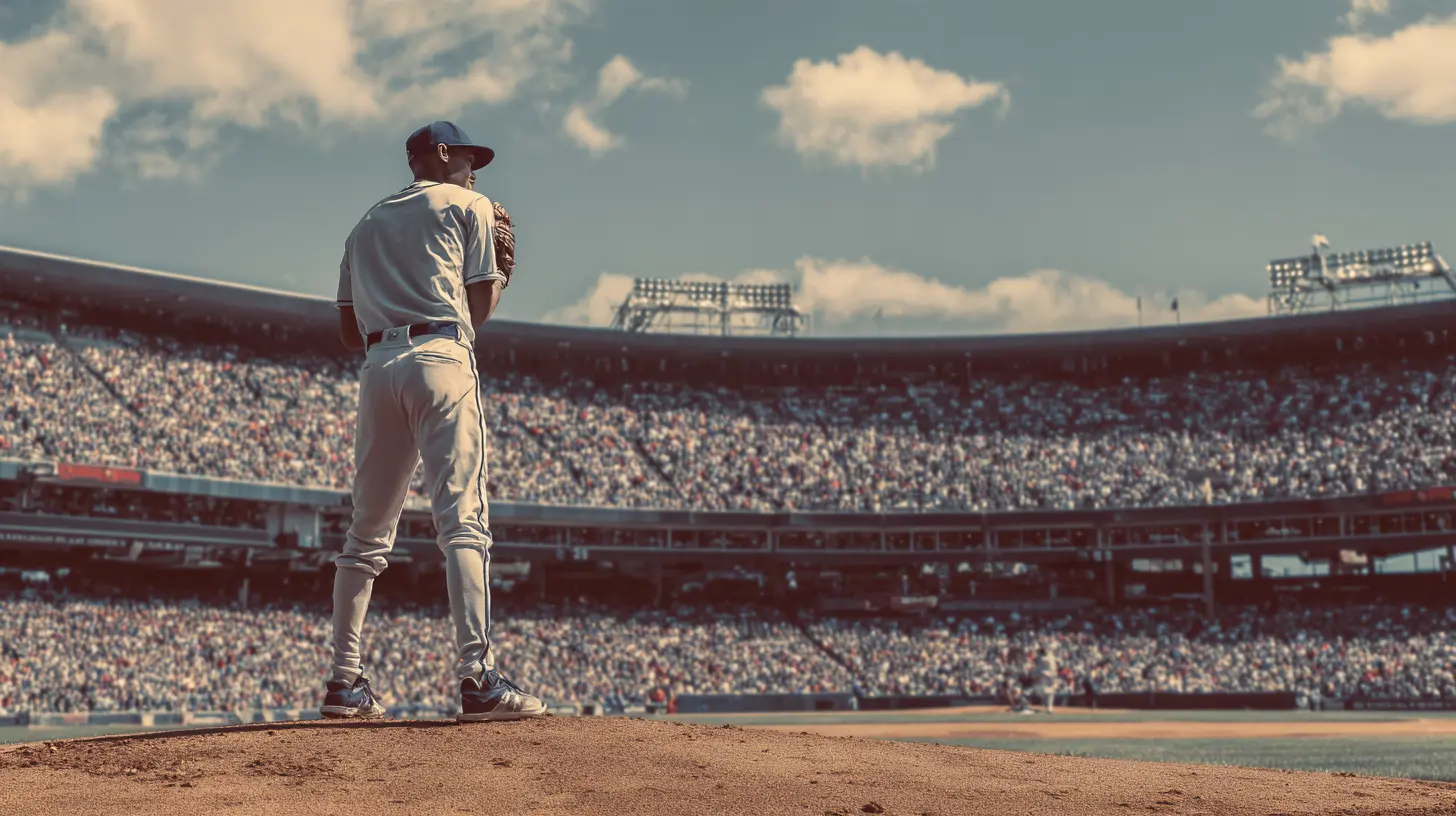
The Problem With Modern Pitching
To understand where pitching is going, you have to understand where it has been. The last several seasons produced a strange paradox. Velocity is higher than it has ever been. Spin rates, even post sticky stuff crackdowns, remain elevated. Strikeout rates climbed for years. And yet, the experience of watching a starting pitcher dominate a game for eight innings has become rare.The reasons are layered.
First, organizations figured out that a pitcher's effectiveness drops sharply the third time through the batting order. Analytics departments ran the numbers, and the numbers said: pull him. That single insight reshaped bullpen construction, rotation usage, and the very definition of a quality start.
Second, injuries. The pursuit of maximum velocity and maximum spin placed unprecedented stress on elbows and shoulders. Tommy John surgery became almost routine. Teams responded by treating starters as assets to be protected rather than horses to be ridden.
Third, the baseball itself. The composition of the ball has fluctuated, and at various points, the ball traveled in ways that punished pitchers who relied on contact management. Home run rates spiked, and pitchers responded by trying to strike everyone out, which drove pitch counts up and innings down.
The result: a game where the most dominant pitcher on many nights is a reliever throwing one inning at 100 mph. That is exciting in short bursts, but it is not the same as watching an ace carve through a lineup for seven or eight innings. And there is a growing sense across the sport that something was lost.
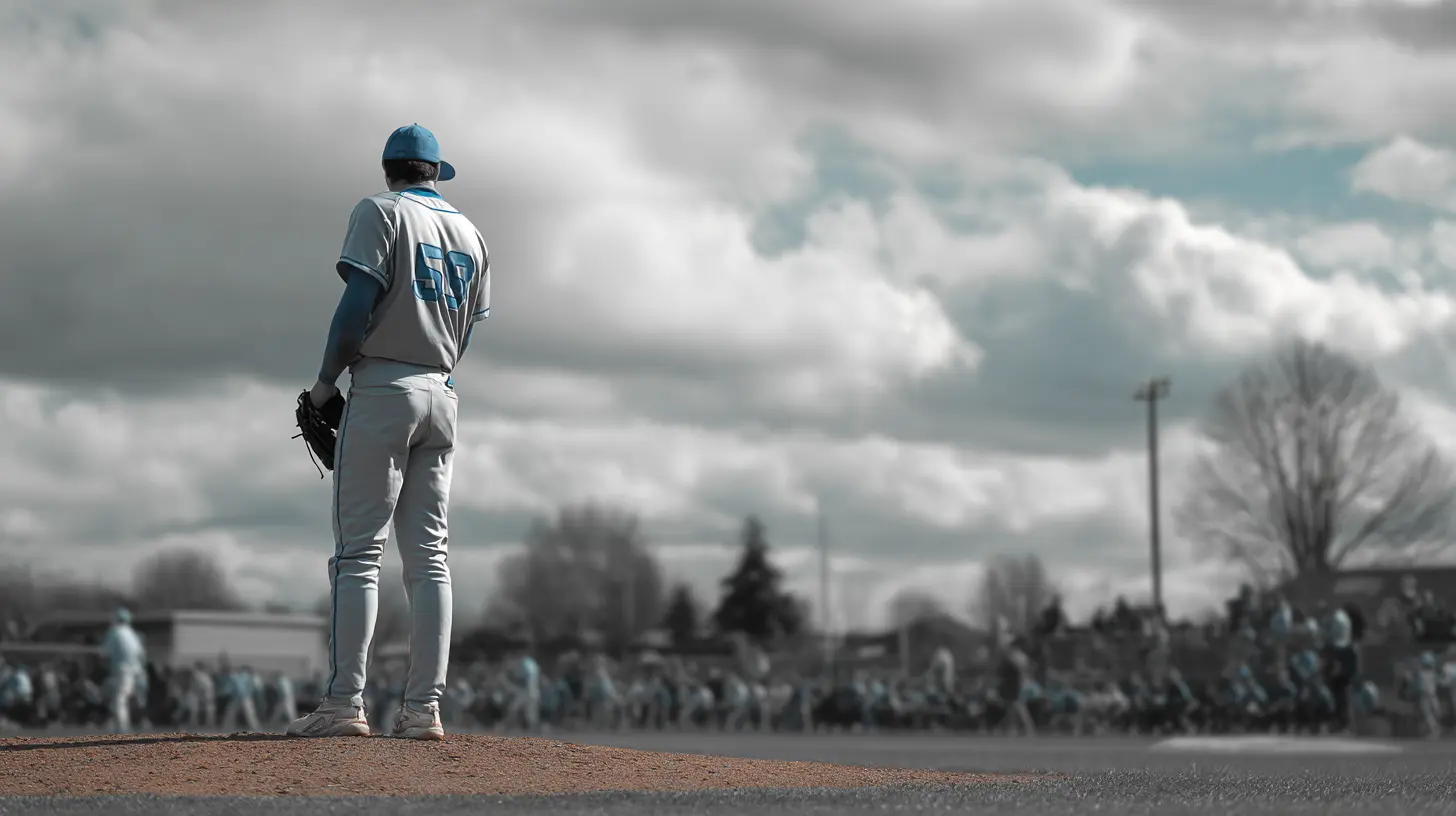
Why 2026 Is a Real Inflection Point
So why 2026 specifically? Several forces are converging.The Starting Pitcher Pipeline Is Loaded
Player development is a slow conveyor belt. The pitchers who will debut or break out in 2026 are largely the same pitchers who were drafted and signed in the early 2020s and have been developing in minor league systems with modern coaching, biomechanical analysis, and pitch design programs. Many organizations have spent the last several years overhauling how they develop arms, focusing not just on velocity but on command, pitch mix, and durability.That development cycle takes roughly three to five years to produce major league contributors. The classes coming through now are the first to benefit fully from the pitch-design revolution at scale. Expect a wave of young starters who throw hard, command multiple pitches, and have been trained specifically to go deeper into games than the previous generation.
Rule Changes Are Shifting Incentives
Baseball has been actively tweaking rules to restore a more balanced game. Limits on defensive shifts, pitch clocks, restrictions on pickoff attempts, and changes to how bullpens can be used all nudge the game back toward starting pitcher value. When you cannot simply deploy a fresh flamethrower every inning without consequence, the value of a starter who can give you six or seven strong innings rises.The pitch clock deserves particular attention. It has compressed games and reduced the downtime that allowed managers to make frequent, leisurely pitching changes. Fewer mound visits, faster pace, and a stricter rhythm all favor pitchers who can settle into a groove and stay there.
The Economics Are Pushing Back
Front offices are not sentimental, but they are rational. The cost of building a dominant bullpen has skyrocketed. Elite relievers command eight-figure annual salaries, and even middle relievers are getting expensive. When you add up the cost of assembling six or seven high-leverage arms, the math starts to favor investing in three or four starters who can each give you 180 innings.There is also the matter of roster spots. You can only carry so many pitchers. A rotation that eats innings preserves bullpen depth for the games that actually require it. Teams that figure this out first will have a competitive advantage, and others will copy them, as they always do.
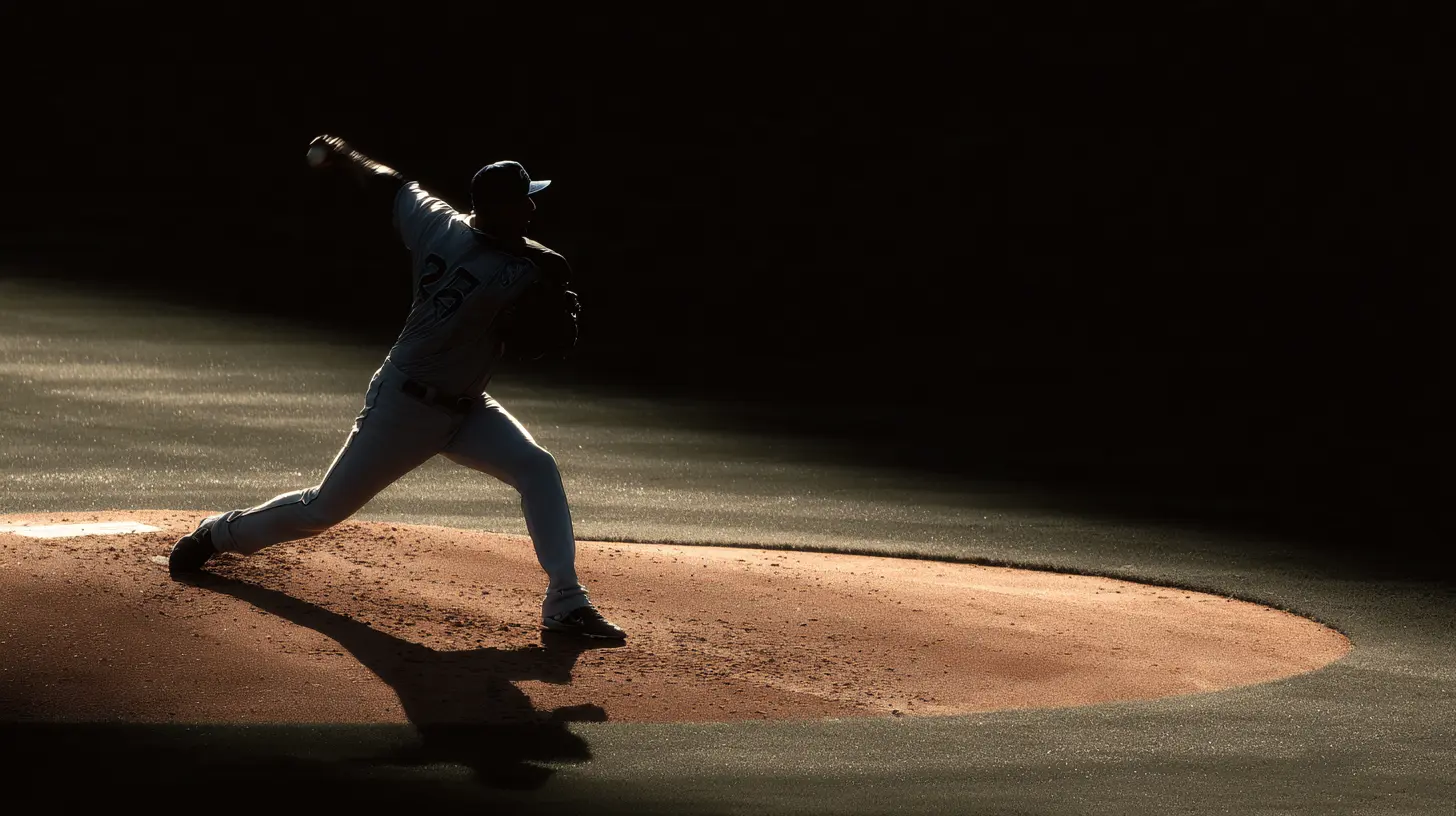
What "Dominant Pitching" Will Look Like in 2026
It is important to be precise about what a return to dominant pitching actually means. It does not mean a return to the 1970s, when starters routinely threw 250 innings and complete games were common. That era is gone for good, and for good reason. Pitchers are throwing harder than ever, and the human arm has limits.Instead, expect a new model of dominance.
The Six-Inning Ace
The 2026 version of a dominant starter will likely be a pitcher who consistently gives you six innings of two-run or better baseball, with the occasional seven- or eight-inning gem. That might sound modest compared to the old workhorse ideal, but in the context of modern baseball, it represents a significant shift. A rotation full of six-inning starters transforms a bullpen from a nightly scramble into a structured, rested unit.Fewer Openers, More Traditional Roles
The opener strategy, using a reliever to start the game before handing off to a bulk pitcher, was a clever workaround for specific roster problems. But it has drawbacks. It burns a bullpen spot, complicates planning, and often backfires when the opener has a bad night. As more starters develop the durability to handle a full game's worth of innings, expect the opener to recede to a niche tactic rather than a widespread approach.Elite Relievers Become More Specialized
Even as starting pitching rebounds, the very best relievers will remain crucial. The difference is that they will be used more selectively. Instead of covering two or three innings every other night, the top arms will be deployed in the highest-leverage moments, which is what they were always best suited for anyway.
The Development Side: How Teams Are Building Aces
If you want to understand why dominant pitching is coming back, you have to look at how pitchers are being developed. The methods have changed dramatically, and the results are starting to show.Pitch Design and Biomechanics
Modern player development is obsessed with pitch design. Coaches use high-speed cameras, motion capture, and tracking data to analyze exactly how a pitcher's body moves and how the ball behaves out of his hand. They can identify subtle inefficiencies in mechanics, tweak grip and release points, and help a pitcher add a new pitch or refine an existing one.This matters because it means pitchers are arriving in the majors with more complete arsenals. A young starter today might have four or five pitches he can throw in any count, compared to the two-pitch pitchers of previous eras. More weapons means more ways to get hitters out, which means deeper outings.
Load Management as a Science
Teams have also gotten smarter about workload. The old approach of simply capping innings or pitch counts has given way to more nuanced monitoring of fatigue, recovery, and biomechanical markers. Pitchers are tracked daily, and decisions about when to push and when to back off are made with far more data than ever before.This does not eliminate injuries, but it reduces the risk of catastrophic breakdowns. And over time, it should produce starters who are both healthier and more capable of sustained excellence.
The Mental Game Gets Attention
One overlooked factor in pitching dominance is the mental side. Command under pressure, pitch sequencing, reading hitters' swings, and adjusting mid-game are all skills that can be taught and practiced. Some organizations now employ mental performance coaches and use simulation training to prepare young pitchers for high-leverage situations.A pitcher who can think his way through a lineup is far more likely to go deep into a game than one who relies purely on stuff. Expect the 2026 cohort to be more mentally prepared than any generation before it.
What Could Go Wrong
No prediction is certain, and there are real risks to the idea that dominant pitching returns on schedule.Injury Risk Remains High
The pursuit of velocity is not going away. As long as throwing 98 mph gets you drafted and promoted, pitchers will chase it. And as long as they chase it, elbows will break. If a wave of injuries hits the young starters expected to lead the 2026 renaissance, the timeline could slip.Hitters Adapt Too
Hitting is not static. If pitchers start going deeper into games, hitters and hitting coaches will adjust. They will study the third-time-through-the-order data and find new ways to exploit it. The pendulum could swing back the other way faster than expected.Front Offices Are Conservative
Even when the data supports a change, front offices can be slow to adapt. If teams continue to prioritize bullpen depth and short outings out of habit or fear, the shift toward dominant starting pitching could be delayed. Organizational inertia is a real force.The Ball and the Environment
Pitching dominance depends partly on the conditions pitchers operate in. If the baseball is juiced, or if ballparks are configured to favor hitters, even great pitchers will struggle to post dominant numbers. The return of dominant pitching assumes a reasonably neutral environment, which is never guaranteed.
Practical Takeaways for Different Audiences
The return of dominant pitching, if it happens, will matter differently depending on who you are.For Fantasy Baseball Players
If you play fantasy baseball, the implications are significant. Starting pitchers who go deep into games accumulate more innings, which means more strikeouts, more wins, and better ratios. If the trend toward dominant starting pitching materializes, elite starters become more valuable relative to elite relievers. Draft accordingly. Target pitchers with durable track records and deep arsenals, and do not overpay for one-inning relievers unless your league format specifically rewards them.For Bettors and Analysts
For anyone analyzing games, the key shift will be in how you evaluate starting pitchers. Innings pitched becomes a more meaningful stat. A pitcher who consistently goes six or seven innings gives you more predictable outcomes than one who is routinely pulled in the fifth. Pay attention to pitch efficiency, ground ball rates, and how a pitcher performs the third time through the order. These will be the markers of the new dominant starter.For Coaches and Player Development Staff
If you work in player development, the message is clear: prioritize durability and command alongside velocity. A pitcher who can only throw hard for four innings is less valuable than one who can locate four pitches for seven. Build arsenals, teach sequencing, and monitor workload intelligently. The organizations that do this best will be the ones producing the aces of 2026 and beyond.For Fans
For fans, the return of dominant pitching means a better product. Games will have more rhythm, more narrative arc, and more moments of sustained excellence. The ace who takes the mound every fifth day and gives his team a chance to win is one of the great pleasures of the sport. Getting that back is worth looking forward to.The Bigger Picture
Baseball is a game of adjustments. Every era produces a dominant strategy, and every dominant strategy eventually gets countered. The bullpen revolution was a response to the weaknesses of traditional starting pitching. The return of dominant starting pitching will be a response to the weaknesses of the bullpen revolution.What makes 2026 interesting is that the conditions for a shift are already in place. The pipeline is loaded. The rules have changed. The economics are pushing back. The development methods have evolved. None of these factors guarantees a return to dominant pitching, but together they create a strong case that the trend is turning.
The pitchers who will define this era are already in professional baseball, developing in the minors or establishing themselves in the majors. Some of them are aces in waiting. Others are prospects whose names most fans do not know yet. By 2026, many of them will be household names, and the game will look different because of them.
That is the thing about baseball. The next era is always being built in the background, in minor league ballparks and training facilities, long before anyone notices. The return of dominant pitching is not a hope. It is a process, already underway. And 2026 is when we are most likely to see it arrive.
all images in this post were generated using AI tools
Category:
Season ExpectationsAuthor:

Preston Wilkins