Analyzing the Growth of Womens MMA
8 January 2026
Let’s be honest—10 years ago, if you told someone that women would headline UFC cards and pull in millions of views, they probably would’ve laughed or shrugged it off. Fast forward to now, and women’s MMA has not only arrived, it’s exploded. From gritty backyard gyms to packed arenas with thousands cheering, female fighters have shattered old stereotypes and built something incredible.
In this article, we’re diving deep into the rise of women’s MMA—the moments, the fighters, the struggles, and the triumphs. It’s not just about the punches and submissions; it’s about what this growth really means for combat sports and society at large. Buckle in, because this journey is as tough and inspiring as the women who made it happen.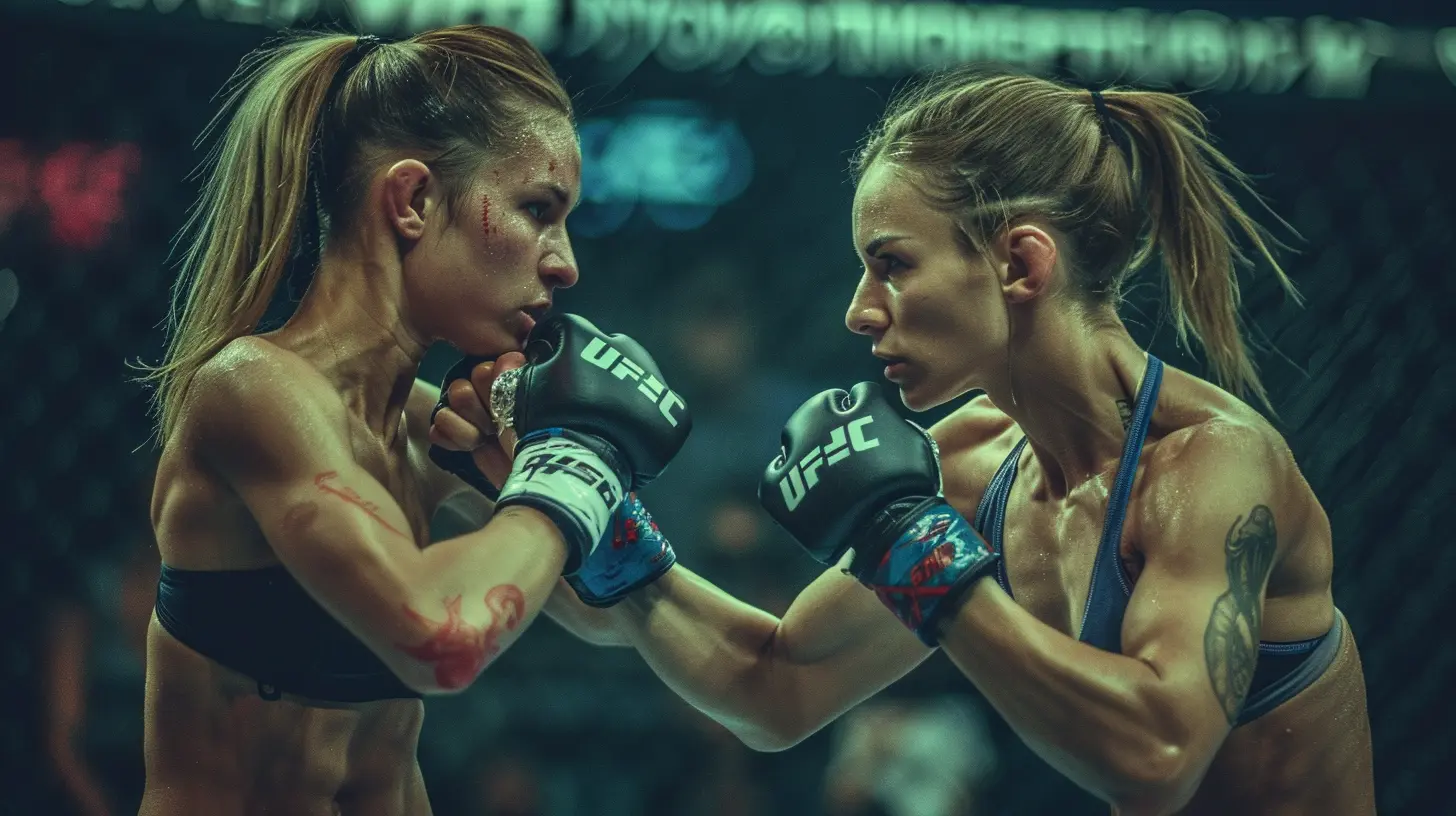
The Early Days: Fighting for a Place at the Table
Before Amanda Nunes, Valentina Shevchenko, and Zhang Weili were household names, women’s MMA was more of a niche within a niche. Back in the ‘90s and early 2000s, female fighters had to hustle hard just to get on fight cards. Events were scattered, pay was almost laughable, and respect? Let’s just say it wasn’t handed out easily.Back then, promotions like Japan’s Smackgirl and the Hook n' Shoot series in the U.S. were among the only places where women could fight consistently. These weren’t glamorous gigs. We’re talking about hand-me-down gear, sketchy promotions, and little to no media coverage. But those early fighters? Absolute warriors. They laid the groundwork brick by bloody brick.
Remember names like Gina Carano and Megumi Fujii? They were trailblazers. Carano brought a touch of mainstream appeal thanks to her charisma and striking skills, while Fujii built a 22-0 streak that had old-school fight fans buzzing. The world wasn’t ready just yet, but the seed had been planted.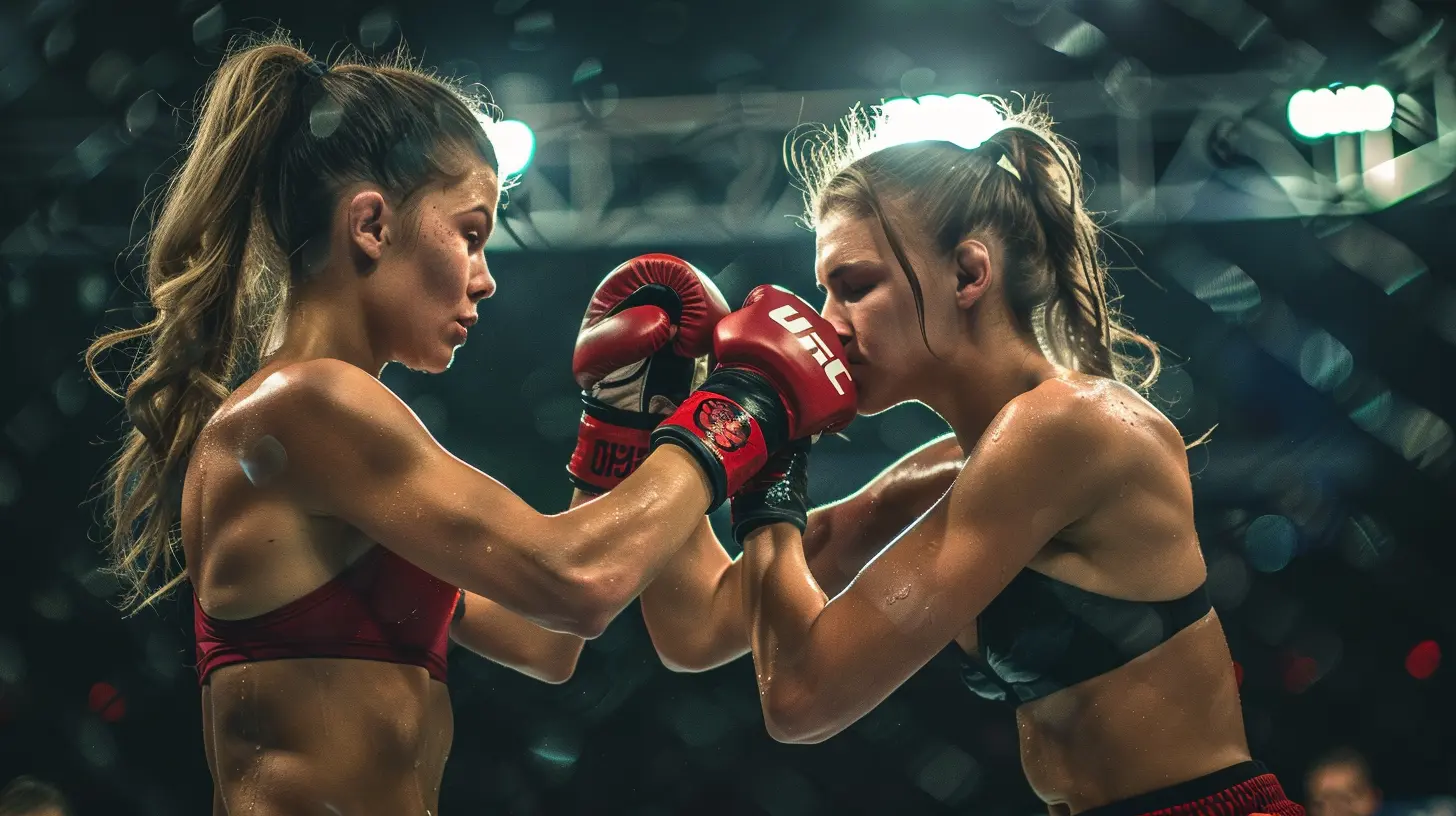
Dana White Said “Never”... Until Ronda Rousey Happened
Ah yes, the infamous quote—UFC President Dana White once declared that women would “never” fight in the UFC. Then, Ronda Rousey came along and changed everything.Rousey wasn’t just an Olympic-level judoka with a mean armbar—she was a personality, a brand. She talked smack, she walked the walk, and she finished fights faster than you could microwave popcorn. When she became the first woman to sign with the UFC in 2012, it wasn’t just a big moment. It was the moment.
In 2013, Rousey headlined UFC 157 against Liz Carmouche. It was historic, emotional, and—most importantly—a commercial success. The fight set the stage for women to not just enter the UFC, but to thrive in it. From that moment on, there was no turning back.
It Wasn’t Just Ronda—It Was the Wave That Followed
While Rousey lit the spark, the fire of women’s MMA was fanned by the amazing talent that followed. Think of it like a tide—Ronda was the moon that pulled it in, but the ocean was made up of fighters like:- Joanna Jędrzejczyk – Muay Thai masterpiece on two feet. Her striking was surgical.
- Valentina Shevchenko – Calm, calculated, and ridiculously technical.
- Amanda Nunes – The “Lioness” who slayed every big-name champ in her path.
- Rose Namajunas – Quiet storm with a poetic style and a heck of a story.
- Cris Cyborg – Pure violence. One of the most feared athletes ever.
These women didn’t just fight—they performed. They brought skill, storytelling, and drama. As fans, we were hooked. And as the sport evolved, so did our expectations.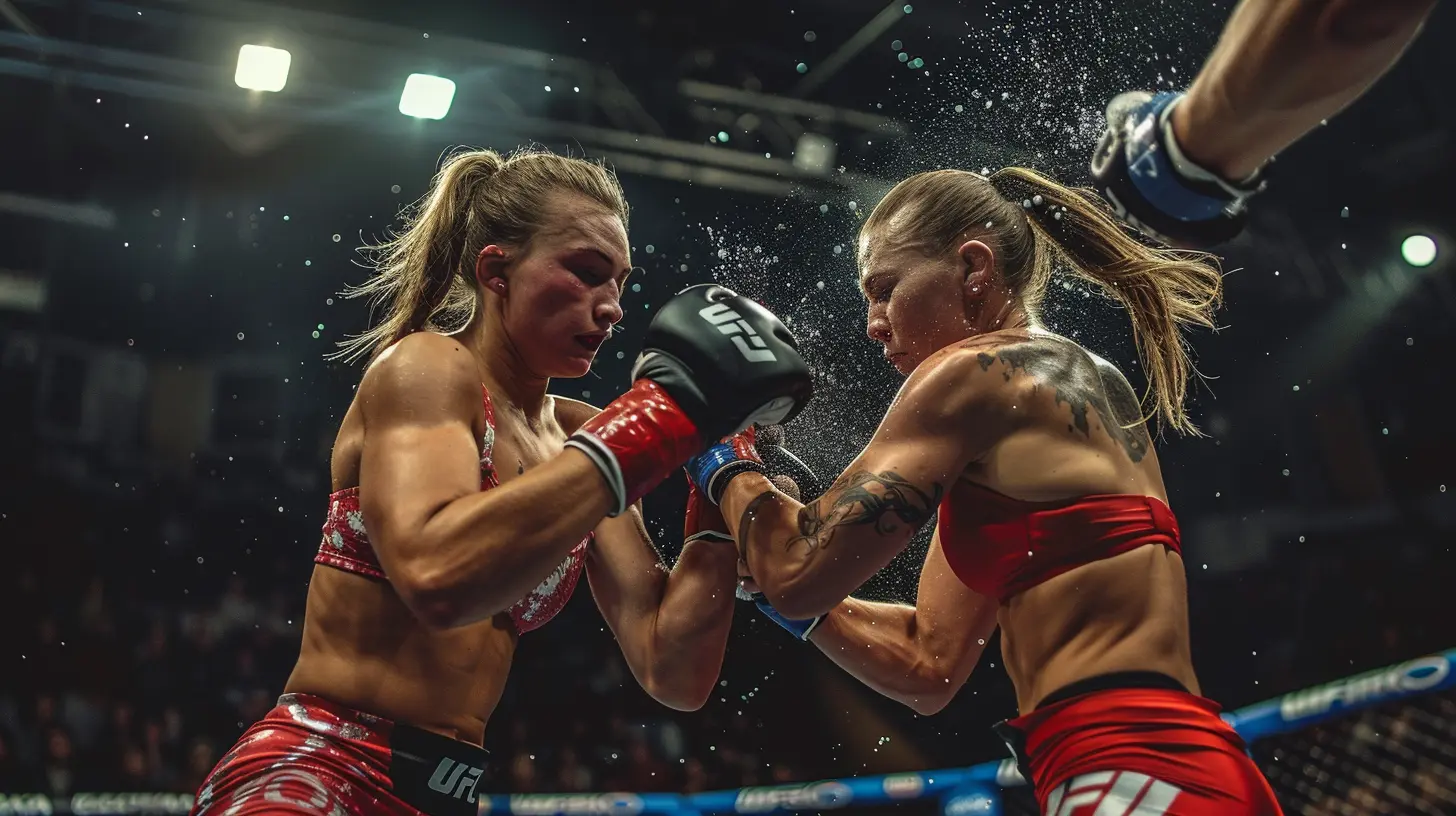
The Evolution of Women’s MMA Divisions
The UFC now supports several women’s divisions:- Strawweight (115 lbs)
- Flyweight (125 lbs)
- Bantamweight (135 lbs)
- Featherweight (145 lbs... kind of)
Each weight class has added its own flavor to the sport. Strawweights bring speed and volume. Bantamweights deliver power. Flyweights? A balance of both. And as more female fighters emerge from global regions (hello, China, Brazil, and Eastern Europe), we’re seeing new styles and rivalries light up the scene.
The only real hiccup? The featherweight division has struggled to build depth. Let’s face it—Amanda Nunes dominated so thoroughly that the UFC never fully developed the roster. Now that she’s retired, this opens the door for new talent. Hopefully, the UFC seizes the chance to rebuild.
Beyond the Octagon: How Women’s MMA Is Changing the Game
Here’s the thing—it’s not just about the fights. The impact of women’s MMA goes far beyond the cage.1. Representation Matters
For every young girl watching a UFC card and seeing a powerful woman walk into the cage, a seed of belief is planted. That’s a big deal. Sports shape confidence and identity, and MMA is doing that in a very raw, unfiltered way.2. Equal Pay Conversations
The topic of fighter pay is always a hot one, but women’s success has forced promoters and sponsors to reconsider how they value female athletes. Stars like Rousey, Nunes, and Shevchenko have commanded big purses and PPV cuts. That sets a precedent.3. The Global Stage
The explosion of women’s MMA has gone global. We’re seeing top fighters come from Poland, Kyrgyzstan, China, and more. Promotions like ONE Championship and PFL are giving women prime billing worldwide. This ain't just a Western movement—this is a global takeover.The Role of Social Media in Building Female Fighters
You can’t talk about modern MMA without diving into the Instagram era. Fighters today aren’t just athletes—they’re content creators, marketers, and influencers.Social media has allowed female fighters to:
- Control their story
- Build their brand
- Connect directly with fans
Love her or hate her, Paige VanZant mastered this game. She knew how to market herself, and while her fighting career had ups and downs, her visibility helped bring more eyes to the women’s side of the sport.
Even more crucially, platforms like Twitter and TikTok let fighters challenge unfair criticism, promote training camps, and address issues like trolls, sexism, and inequality. It’s not just about selfies and shoutouts—it’s about power.
Challenges That Still Linger
Now, let’s not sugarcoat it. Women’s MMA has grown fast, but there are still hurdles.1. Depth of Talent
Outside the top contenders, some divisions lack depth. The UFC’s women’s featherweight division is practically on life support. If MMA wants to sustain and scale this growth, talent development at the grassroots level is key.2. Media Bias
While things have improved, some fight promotion and commentary still tends to favor male bouts. Female fighters often have to do twice as much to get half the spotlight. That needs to change.3. Harassment and Online Abuse
Female fighters deal with a level of online hate that male fighters rarely experience. Objectification, unsolicited messages, and straight-up abuse—it’s brutal. And it needs to be addressed more seriously by the industry as a whole.The Next Era: What's on the Horizon?
The post-Rousey era didn’t just survive—it thrived. Now, the horizon looks even more exciting. Here’s what could be next:- Developmental Leagues: More organizations focusing on amateur and semi-pro women’s circuits will help grow talent organically.
- More International Stars: Countries like India, Nigeria, and Russia are emerging hotbeds of talent. With proper scouting, the UFC and other orgs can unlock a new wave of global stars.
- Crossover Superstars: With fighters now dabbling in boxing, WWE, and TikTok fame, more female athletes may use MMA as a launching pad to broader fame.
Honestly, the sky’s the limit.
Final Thoughts: More Than Just a Sport
Women’s MMA isn’t just about competition—it’s about transformation. These athletes are changing how we see toughness, resilience, and talent. They’re proving that toughness has nothing to do with gender and everything to do with heart.And as fans? We’re lucky to witness it. Each fight, each breakthrough, each headline bout—it all tells part of a bigger story. A story still being written, one round at a time.
So, next time you see a women’s MMA bout on the card, don’t skip it. Odds are, it’s going to be a banger.
all images in this post were generated using AI tools
Category:
MmaAuthor:
Preston Wilkins
Discussion
rate this article
2 comments
Paul Bell
Women’s MMA is like a fine wine—getting better with age! Cheers to fierce athletes breaking barriers and delivering knockout performances!
February 9, 2026 at 5:24 AM
Preston Wilkins
Absolutely! Women's MMA continues to evolve, showcasing incredible talent and resilience. Cheers to the pioneers and champions who inspire us all!
Zeth Campbell
In the octagon's embrace, fierce warriors rise, Breaking barriers, shattering the skies. With grit and grace, they claim their space, A dance of strength, a bold new face. Women’s MMA—passion ignites, as history writes.
January 13, 2026 at 4:36 AM
Preston Wilkins
Thank you for capturing the spirit of women's MMA so beautifully! Your words reflect the passion and evolution of this incredible sport.